Bhaktapur,
the city of devotees
The valley's most intact medieval city — where time moves differently
Bhaktapur sits at the eastern edge of the Kathmandu Valley, and it is the city that comes closest to what the whole valley must have looked like five centuries ago. Its old town — largely free of modern construction — is a continuous medieval landscape of brick lanes, temple squares, and Newar neighbourhoods that have changed little in their bones since the Malla kings built them. For a photographer, Bhaktapur is not just a subject; it is an atmosphere. The light here, filtered through narrow lanes and reflected off warm brick, has a quality that no other city in the valley quite replicates.
Bhaktapur Durbar Square & surrounding alleyways
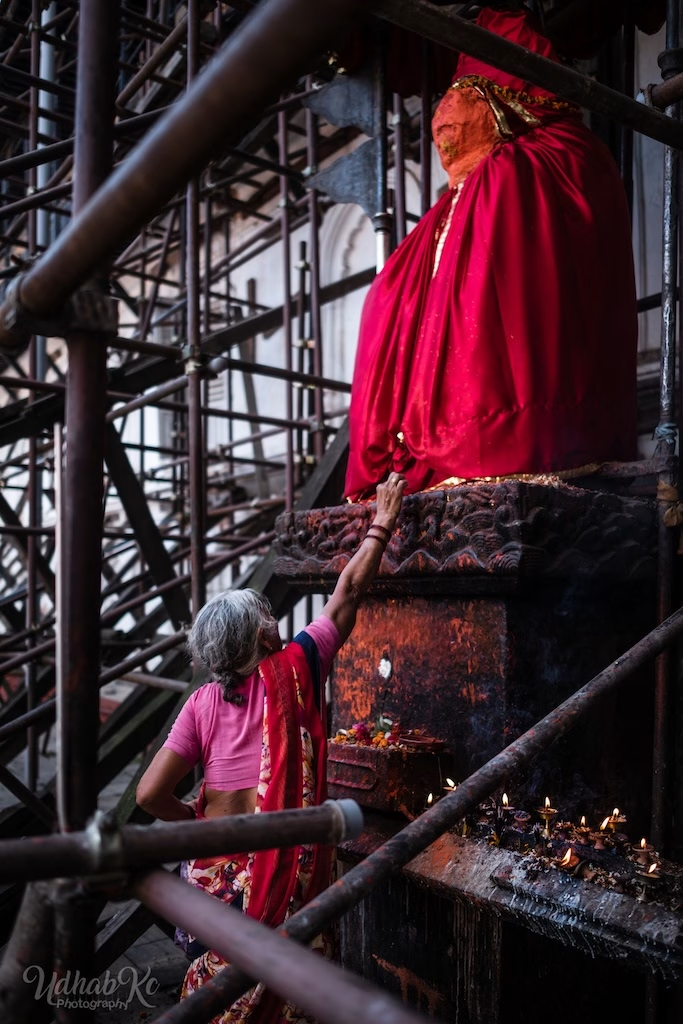
Bhaktapur Durbar Square is the old royal palace complex of the third Malla kingdom, and in many ways it is the most photogenic of the three valley Durbar Squares. The 2015 earthquake caused significant damage, but the rebuilding work — scaffolding against ancient facades, craftsmen recarving window frames by hand — has itself become a remarkable visual record of how this civilisation repairs itself.
The square's centrepiece is the 55-Window Palace, named for the elaborately carved peacock windows that line its upper facade — considered among the finest examples of Newar woodcarving anywhere in the world. Facing it across the square, the Vatsala Temple and the Pashupatinath Temple anchor the northern edge, while the great Nyatapola Temple — five storeys, the tallest pagoda temple in Nepal — presides over the adjacent Taumadhi Square a short walk east.
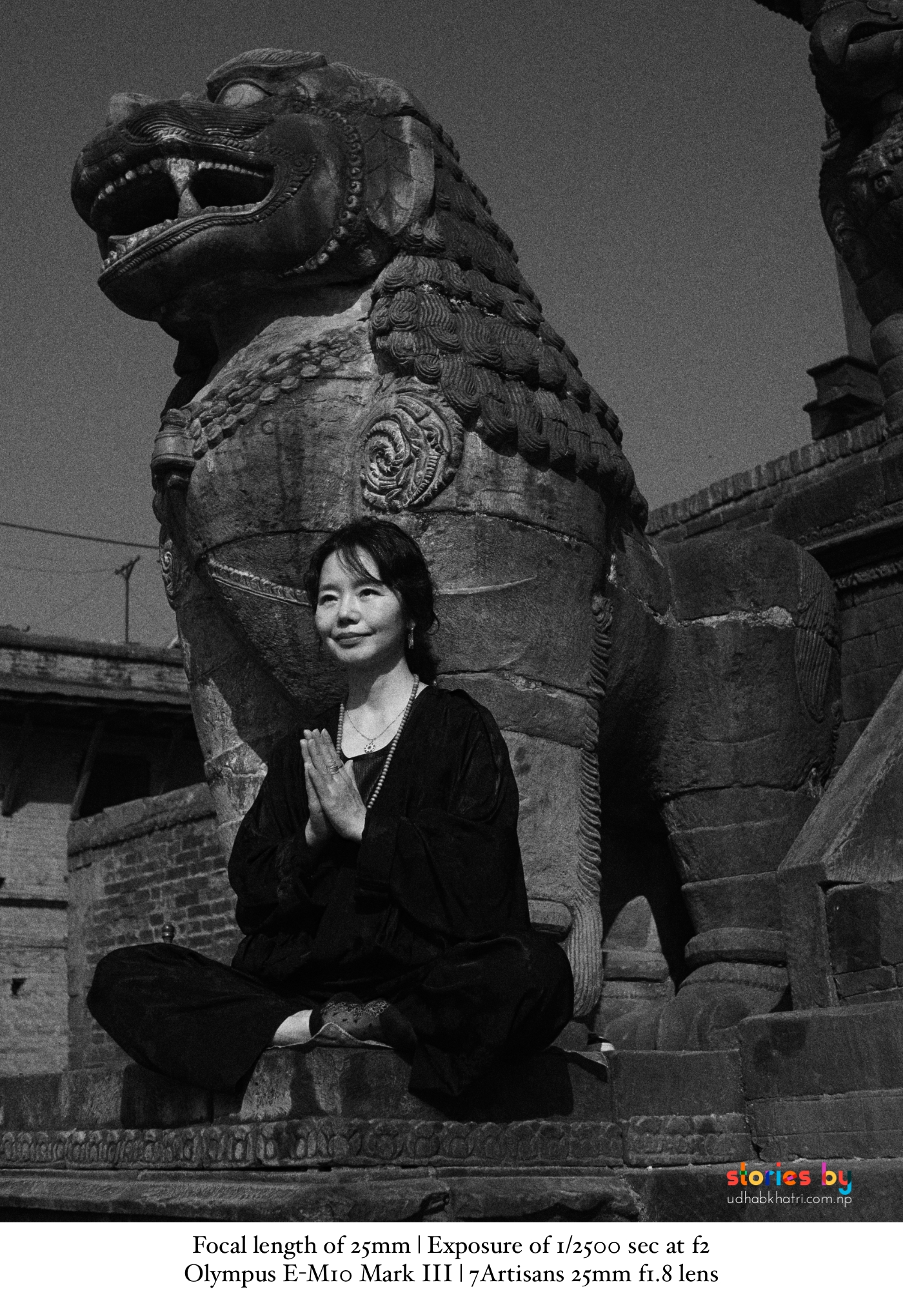
The Nyatapola deserves particular attention. Built in 1702 by King Bhupatindra Malla in just seven months, it rises from a staircase flanked by pairs of guardian figures — wrestlers, elephants, lions, griffins, and goddesses — each successive pair said to be ten times more powerful than the one below. The temple has never been breached by earthquake damage in its three-century history. The goddess enshrined within has never been publicly identified.
East of the Durbar Square, the lanes leading toward Dattatreya Square are among the finest medieval streetscapes in the valley. This neighbourhood — the old potters' and weavers' quarter — has a density of traditional architecture, street-level craft workshops, and neighbourhood temples that is almost overwhelming. The Dattatreya Temple itself, dedicated to a deity worshipped simultaneously by Hindus, Buddhists, and Jains, sits in a square that has barely changed in four hundred years. The Peacock Window, set into a wall of the Pujari Math monastery nearby, is one of the most photographed architectural details in Nepal — and deservedly so.
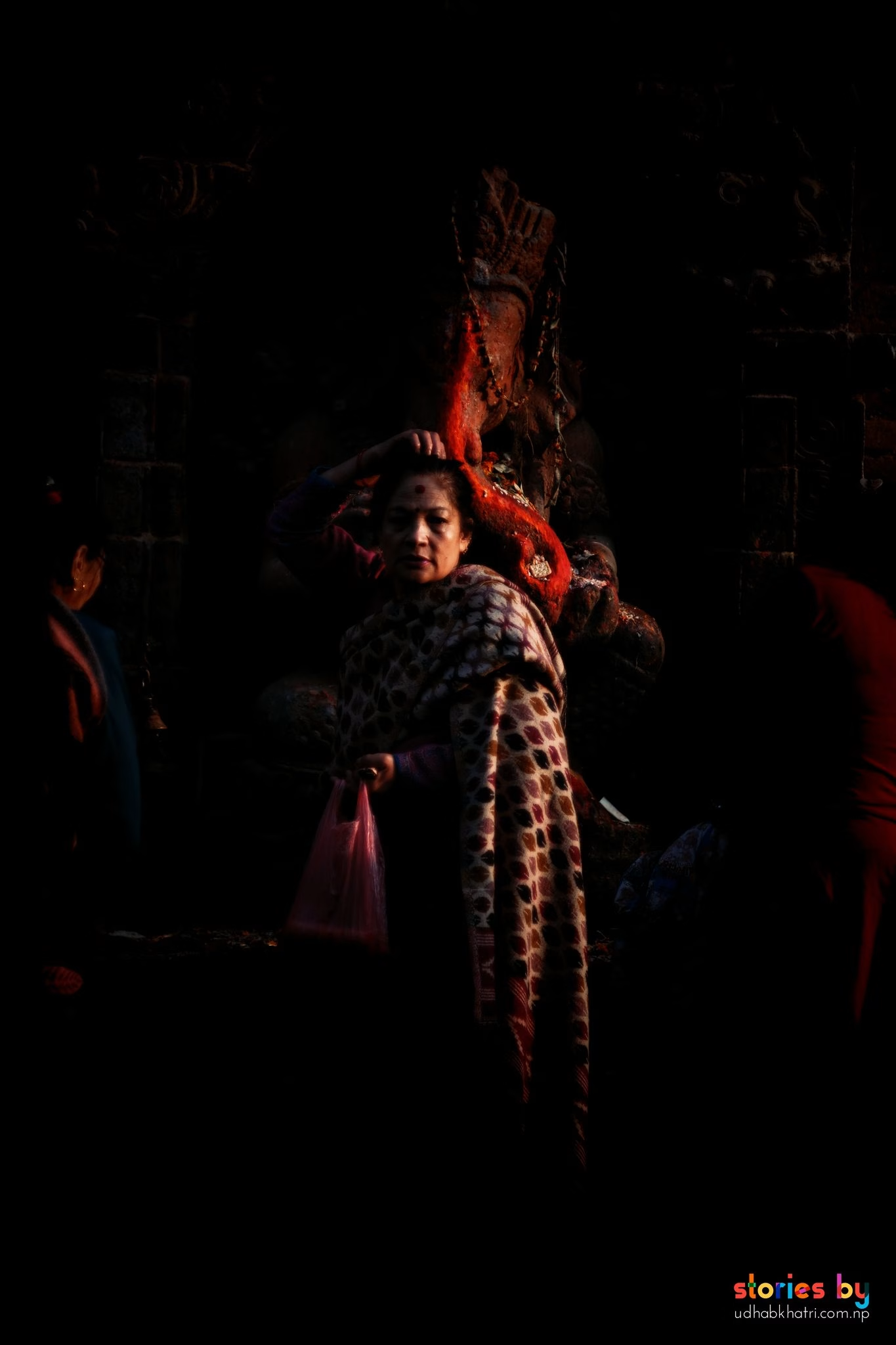
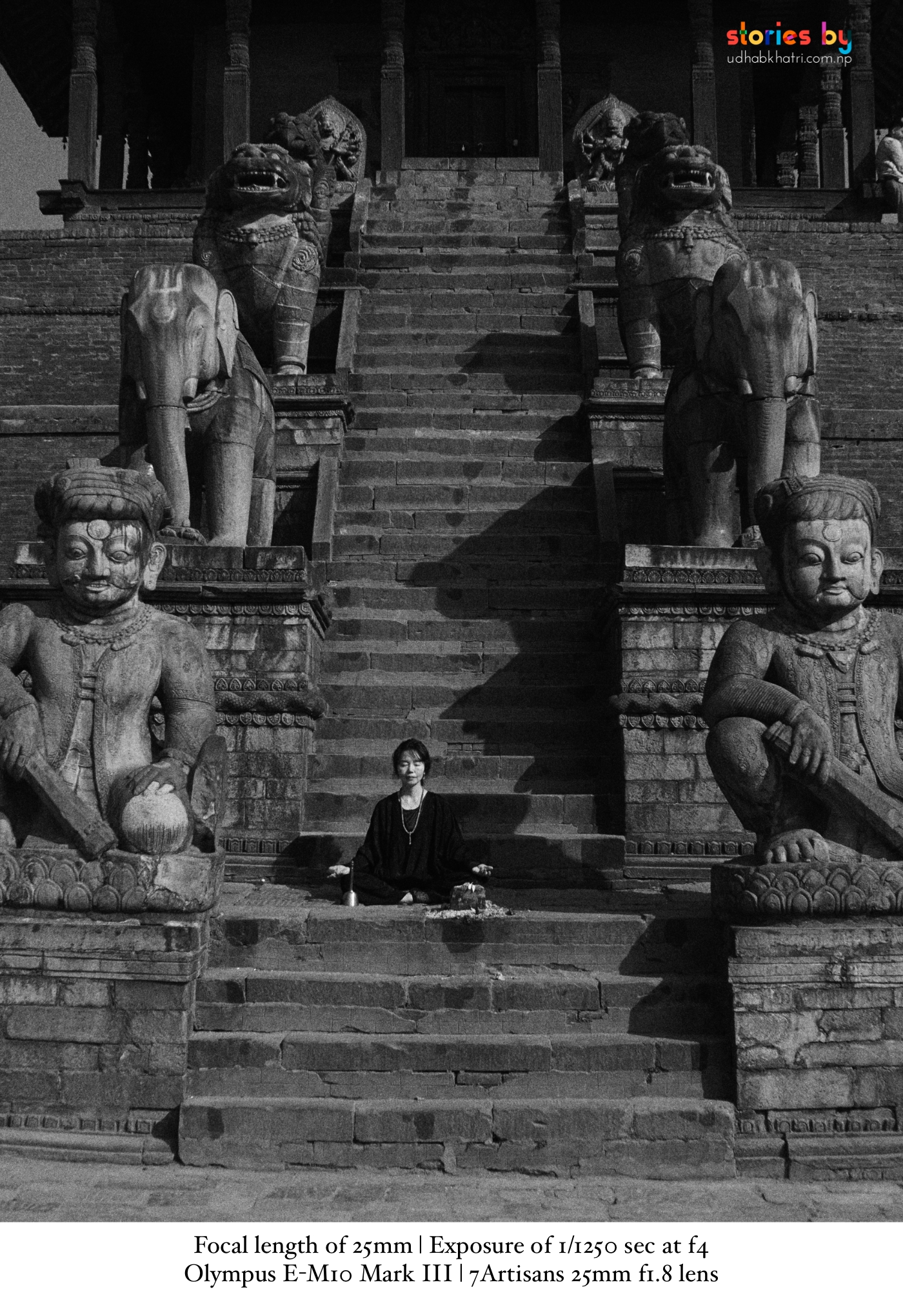
Arrive before 7 am — the entry ticket booth opens later, giving you a window of early light in the square before the crowds. The Nyatapola at dawn, with mist still in the lanes and the first devotees climbing its stairs, is one of the valley's great photographs waiting to happen. The 55-Window Palace facade is best in late afternoon when warm light catches the carved wood directly.
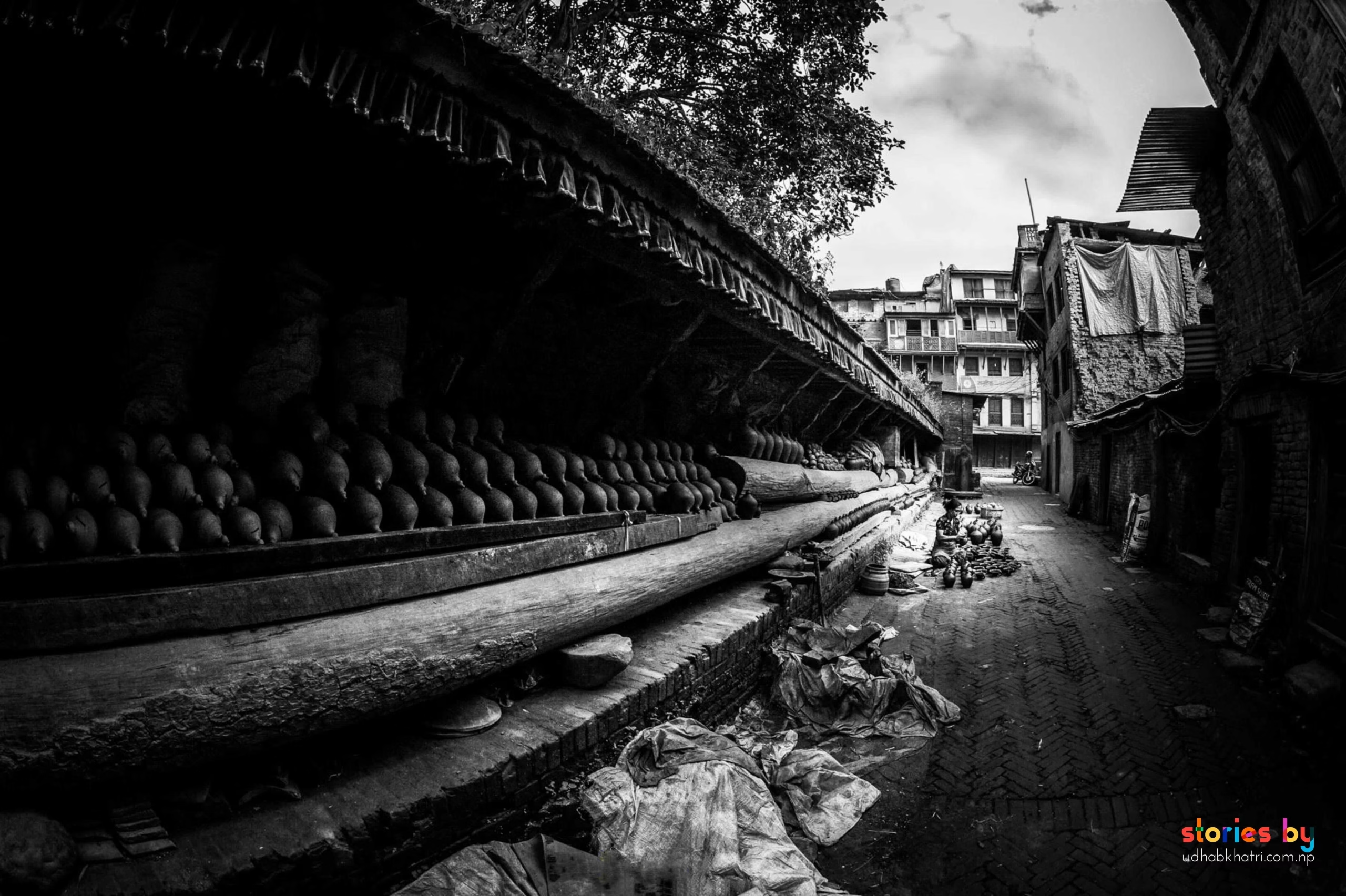
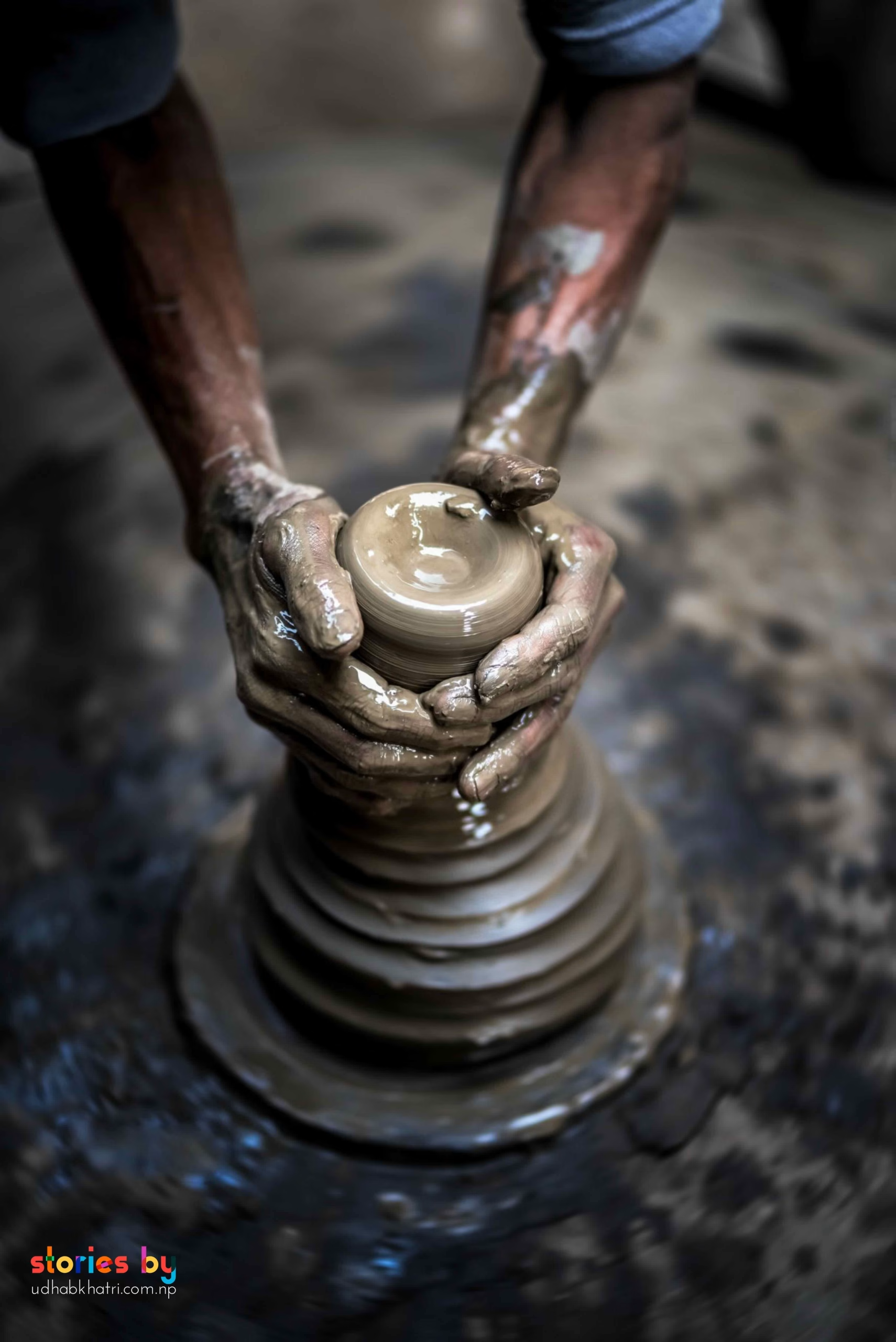
The lanes between Durbar Square and Dattatreya are where Bhaktapur's daily life is most visible and most intimate. The pottery square — where families still dry and fire traditional black pottery — is extraordinary: earth-toned forms against brick walls, hands shaping clay, the whole scene lit by the same diffused light that has fallen on it for centuries. Walk slowly, carry one lens, and resist the urge to rush.
Changu Narayan Temple
— No photo for this location yet —Perched on a forested hilltop north of Bhaktapur, Changu Narayan is the oldest temple in the Kathmandu Valley — and by some accounts one of the oldest continuously active Hindu shrines in the world. The main temple complex is dedicated to Vishnu, and dates in its current form to the 17th century, though inscriptions on the site go back to the 5th century CE, making this one of the most historically documented sacred sites in Nepal.
The courtyard surrounding the temple is an open-air museum of extraordinary early Newar stone sculpture — Garuda figures, erotic carvings, multi-armed Vishnu forms, and stone inscriptions in languages spanning fifteen centuries are arrayed around the space in a density that is almost academic in its richness. The figures here represent some of the finest examples of Licchavi-era (4th–9th century) sculpture anywhere in South Asia.
The hilltop village of Changu itself is a quiet Newar settlement with a single main lane, traditional houses, and a small community that has lived alongside the temple for generations. The walk up from Bhaktapur — or the descent through the forest — is itself a meditative passage.
The courtyard's stone sculptures are best photographed in early morning when raking light reveals the depth of the carving. Look for the relationship between the ancient stone figures and the living devotees who move among them — a continuous human presence across fifteen centuries. The view from the hilltop east toward the valley rim, particularly on a clear morning, is exceptional for landscape-documentary work.
Suryabinayak Temple
— No photo for this location yet —On a forested hill at the southern edge of Bhaktapur, Suryabinayak is one of the four most important Ganesh shrines in the Kathmandu Valley — a pilgrimage circuit that devout Newars complete in a single day. The temple is dedicated to Ganesh in his solar aspect (Surya meaning sun), and is believed to grant blessings for new beginnings, healing, and the removal of obstacles.
The approach is a long staircase climbing through forest, lined on both sides with vendors selling flowers, coconuts, and ritual items. On Saturdays and during festival periods — particularly Ganesh Chaturthi — the stairs fill with a continuous stream of pilgrims: families, the elderly being helped up the steps, children running ahead. The atmosphere is entirely different from the more architecturally celebrated temples of the valley — rawer, more intimate, more about the act of devotion than the spectacle of it.
From the temple platform, the view south across the valley toward the Mahabharat hills is broad and quiet — a perspective that reminds you how close the wilderness still is to these ancient cities.
The staircase on a Saturday morning is where the story is — the procession of devotees ascending with offerings, the vendors framing either side, the filtered forest light on faces. Position yourself on the stairs and shoot upward or downward along the line of movement rather than across it. The compressed layers of people, foliage, and temple architecture create powerful visual depth.
Entry Fees
Bhaktapur charges a general heritage entry fee at the city gate. This covers the Durbar Square area and most of the old town.
SAARC nationals: NPR 500
Nepali citizens: Free
Nepali citizens: Free
Separate from Bhaktapur ticket
No entry requirement
Bhaktapur heritage ticket
Bhaktapur's entry ticket is checked at the main city gates. Keep it with you — it is valid for multiple days. Fees subject to change; verify at the gate.
Festival Calendar
Bhaktapur has its own distinct festival calendar, separate from — and sometimes more viscerally intense than — the festivals of Kathmandu and Patan. Several are unique to this city.
A logical walking route
Bhaktapur's old city is compact and entirely walkable once inside. Enter from the main western gate, move through the Durbar Square, then east toward Taumadhi and Dattatreya. Changu Narayan and Suryabinayak are best as separate half-day trips.
Changu Narayan is approximately 4 km north of Bhaktapur — reachable by taxi or a 45-minute uphill walk through the forest. Suryabinayak is on the southern edge of the city, about 2 km from Durbar Square. Both work best as morning outings before the main city walking route.
Other locations worth your time
From Kathmandu's old city to the remote trails of the high Himalaya.
Related photo stories
Documentary work and visual essays from the lanes and temples of Bhaktapur.