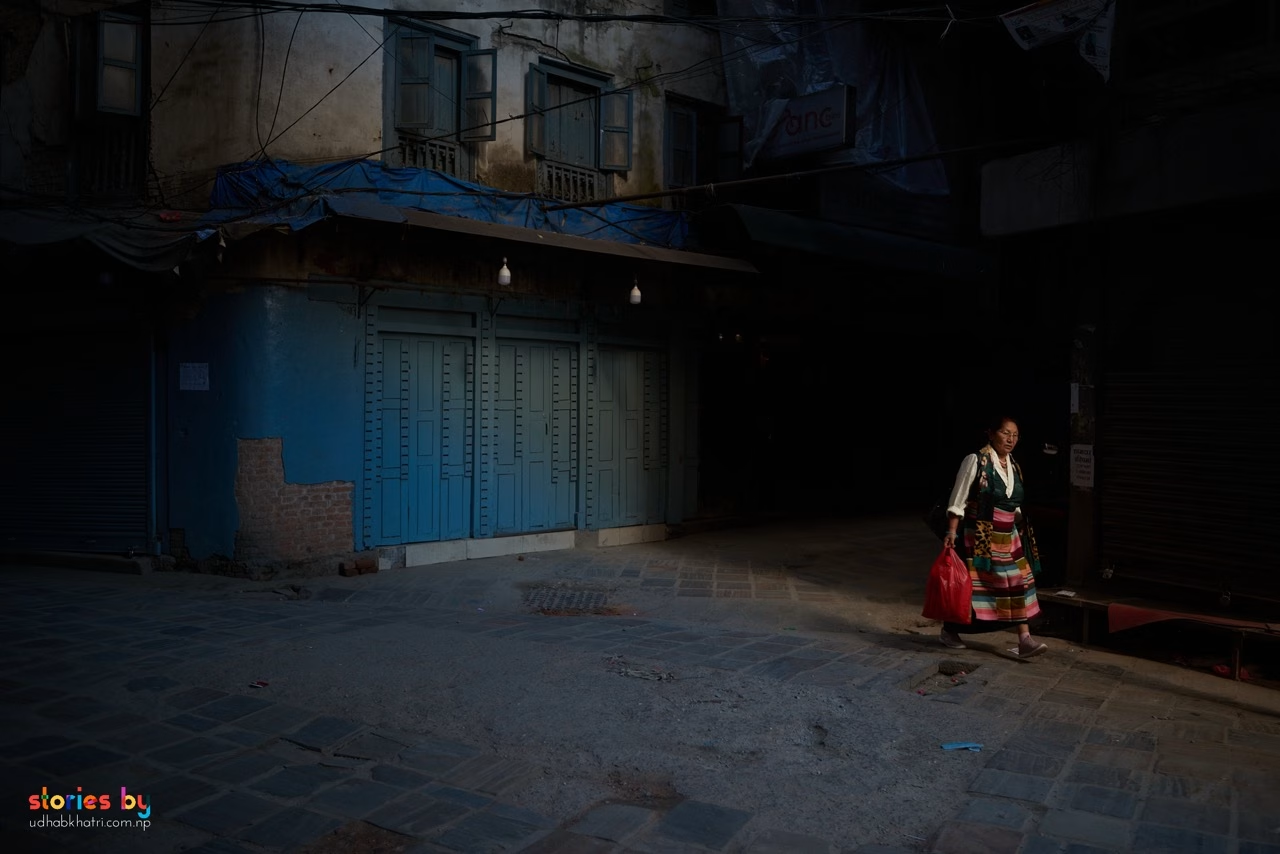
Layers of Time
When we first start photographing on the street, we often focus only on a person. With time and observation, we begin to see the entire scene. The difference lies in layers.
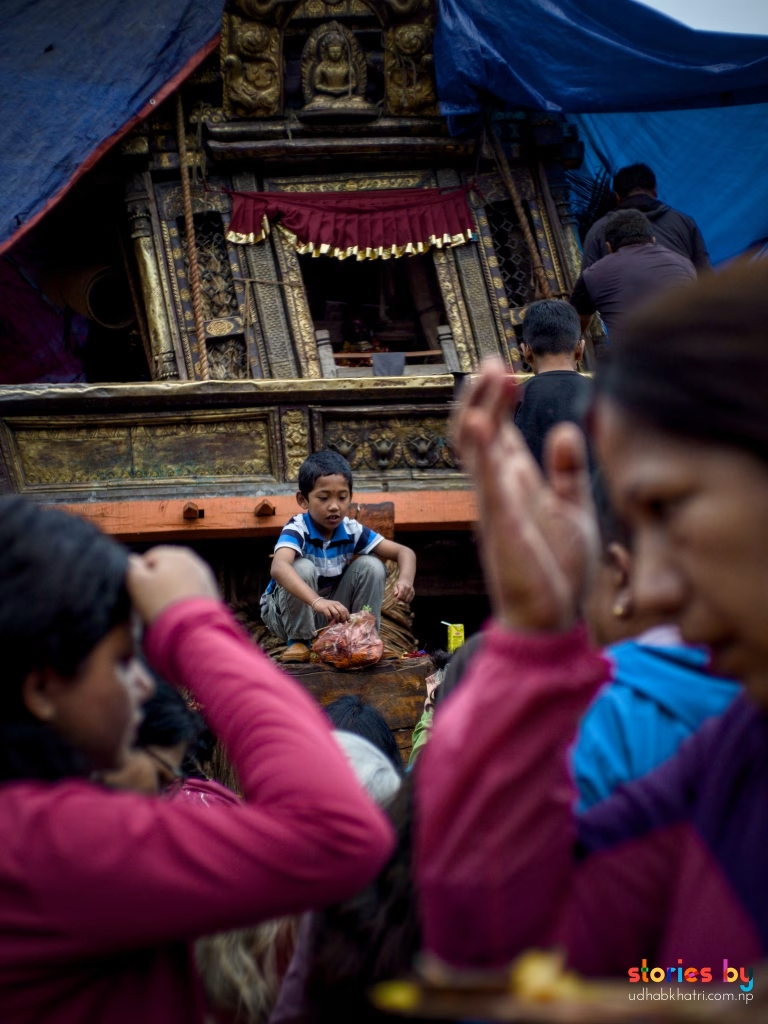
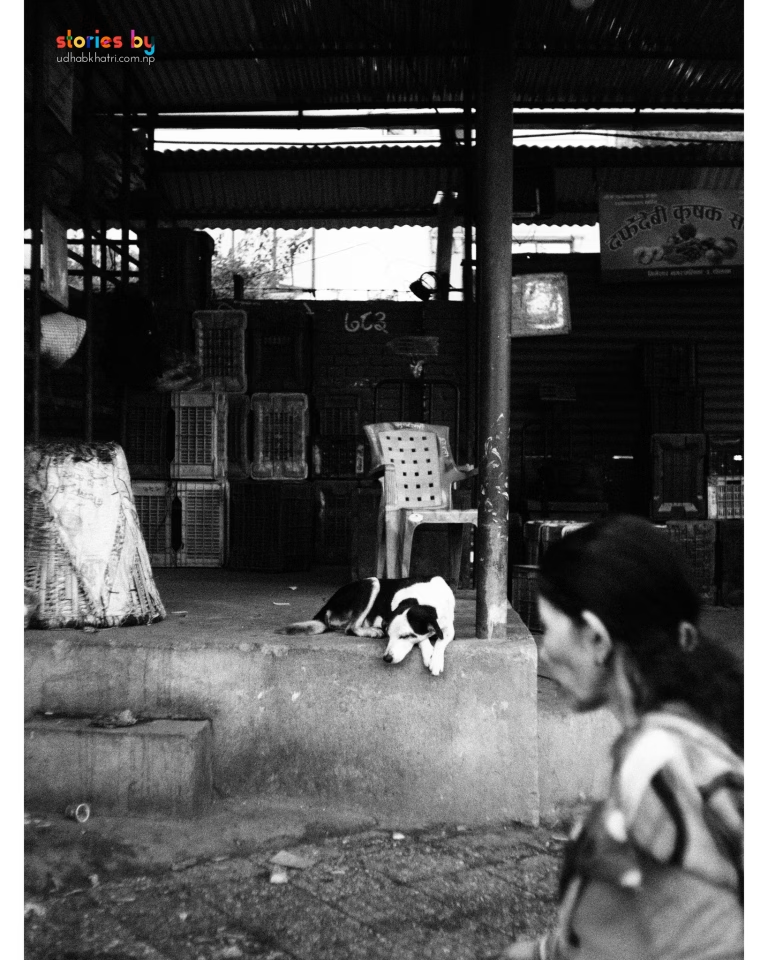
“Layers of Time” is the practice of building an image using foreground, midground, and background to create depth, story, and emotional presence inside a single frame.
What Does “Layers of Time” Mean?
Every street scene contains:
- A foreground (what is closest to you)
- A midground (where your main subject usually is)
- A background (context, environment, history)
When these three elements work together, the image feels immersive. When they don’t, the image feels flat. Layering turns a photo from documentation into experience.
Why We Struggle With Depth
Most new photographers:
- Stand too far from the scene
- Shoot everything at wide open aperture
- Focus only on the subject
- Ignore edges of the frame
- Don’t wait for alignment
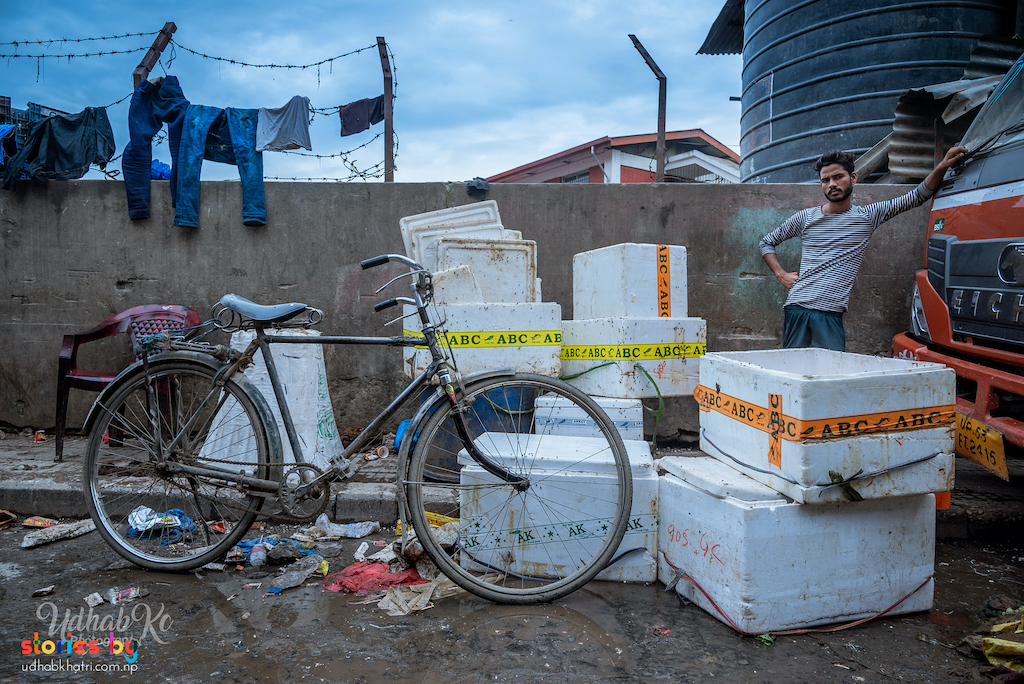
The result is a subject floating in empty space. Street photography is not portrait photography. The environment matters.
The Three Layers Explained
1. Foreground
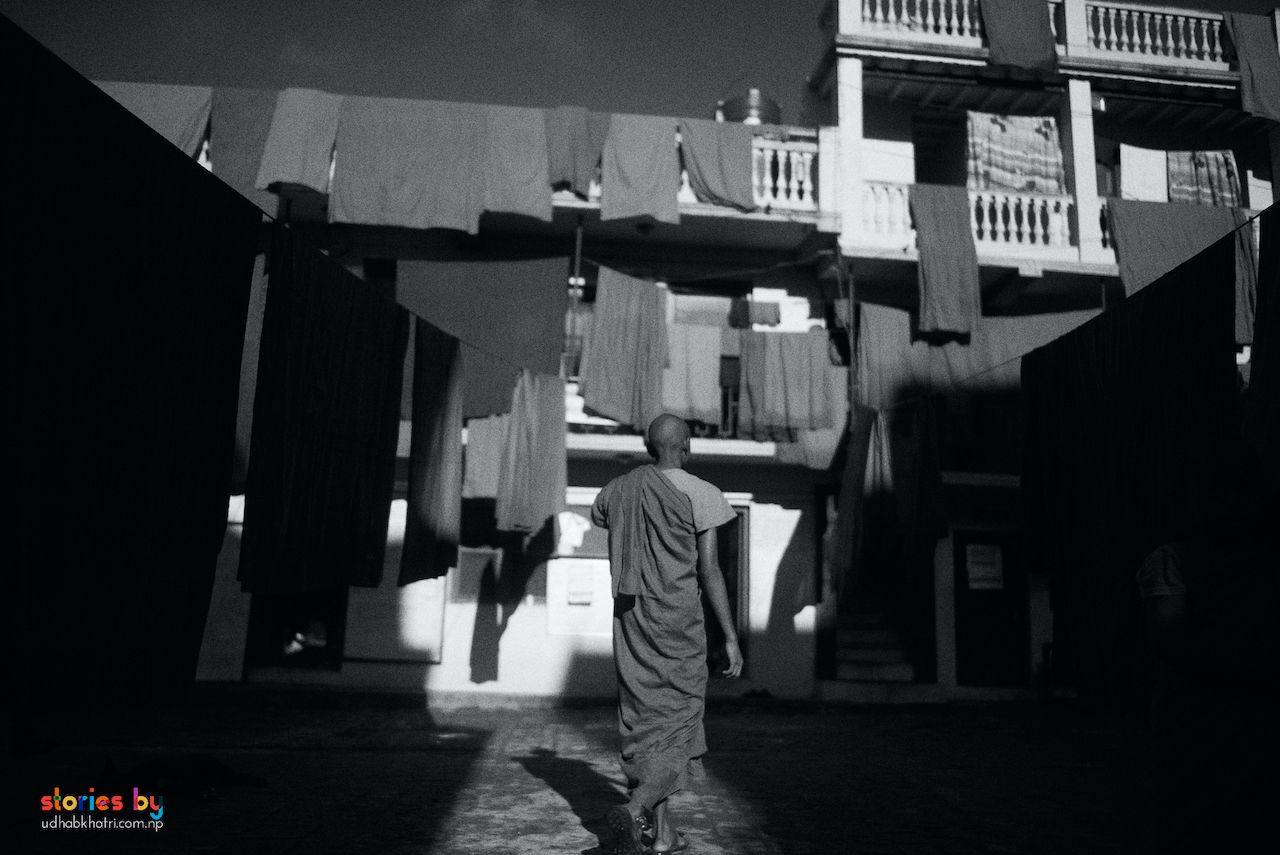
The foreground adds entry into the image. It can be a door frame, a passerby, a pillar, a wall edge, a shadow, or an object slightly out of focus. Foreground creates depth and directs the viewer’s eye. But be careful: it must support the image, not block it.
2. Midground
This is usually your subject. Ask yourself: Is the subject clearly separated? Is the gesture meaningful? Is the subject positioned intentionally? Without a strong midground subject, layering collapses.
3. Background
The background gives context. It can reveal architecture, culture, social environment, time period, and movement. A good background adds information without stealing attention. A bad background creates confusion.
How to Practice Layering
Layering is not luck. It is positioning and patience.
Step 1: Stop Moving Constantly
Find a structured scene. Wait for elements to enter different layers.
Step 2: Build the Frame First
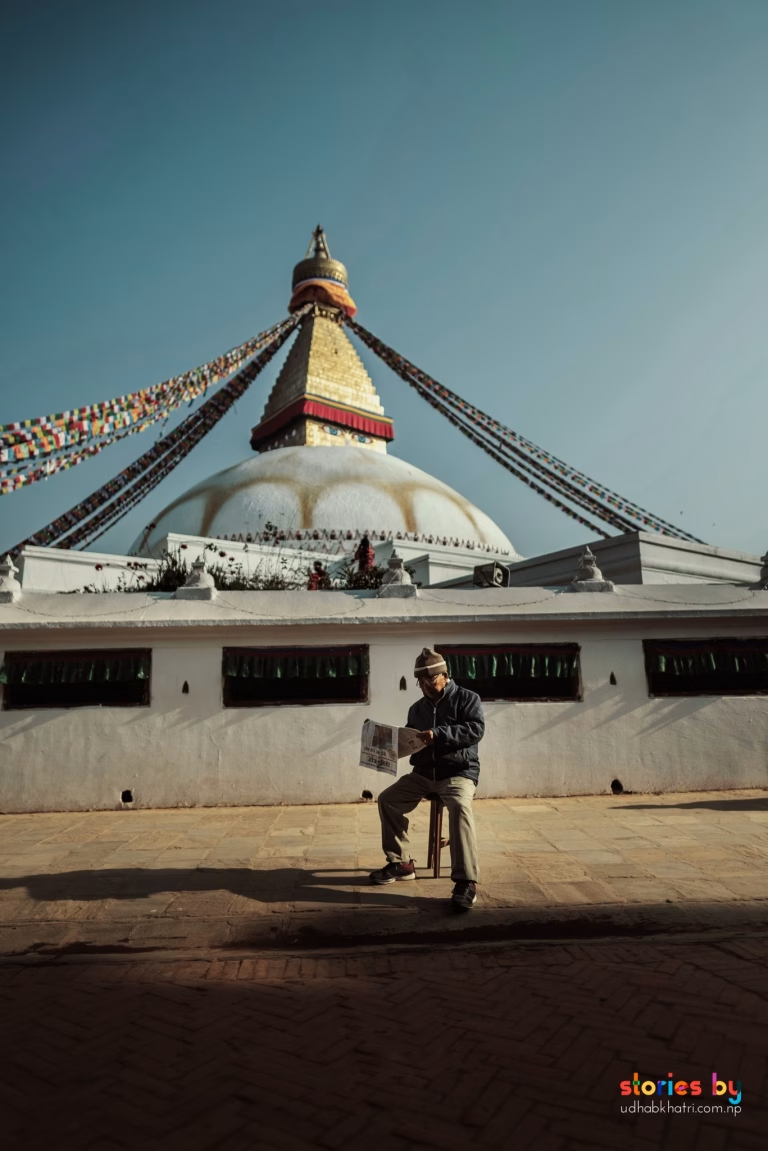
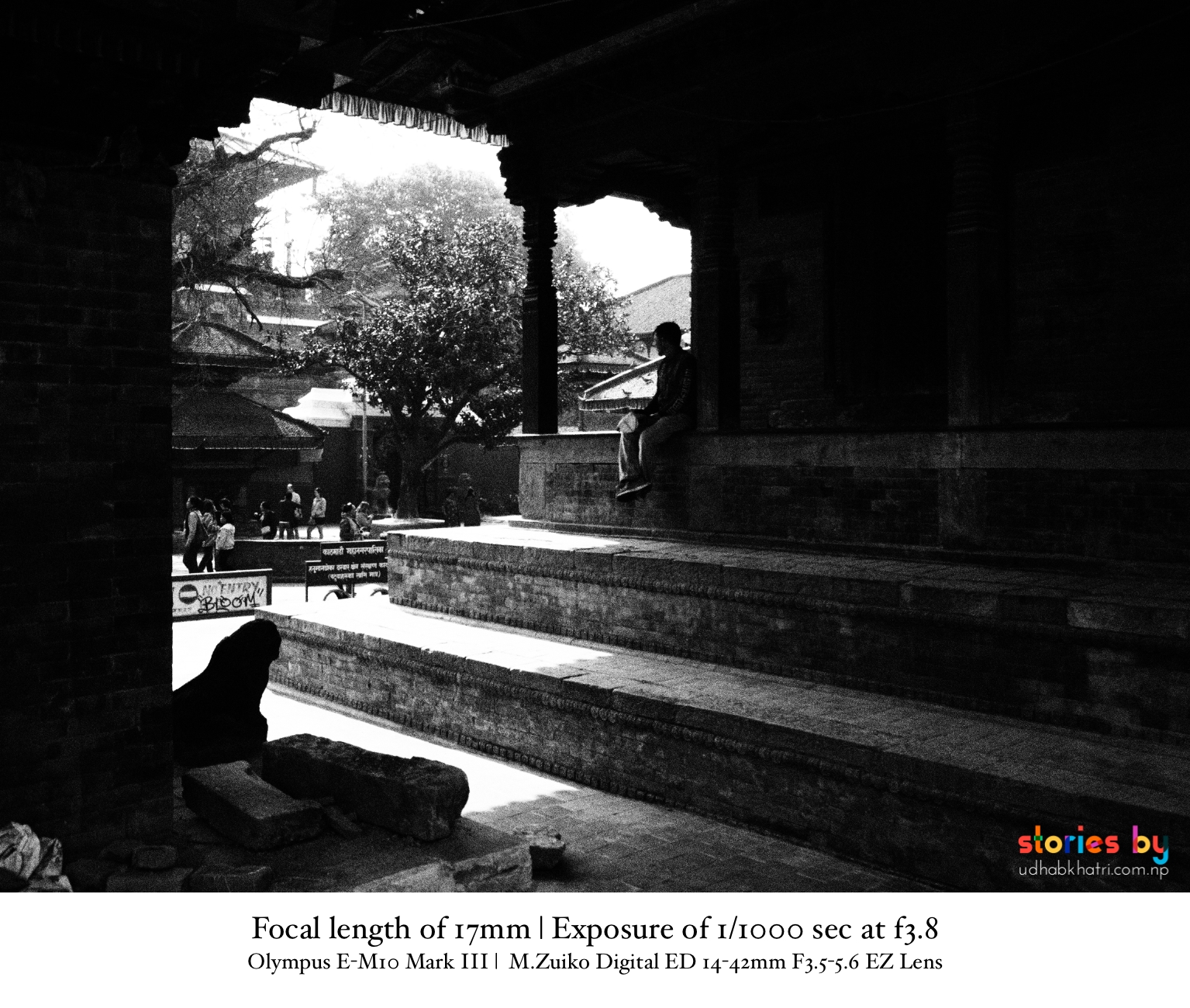
Compose with architecture or environment. Then wait for the subject.
Step 3: Use Distance Wisely
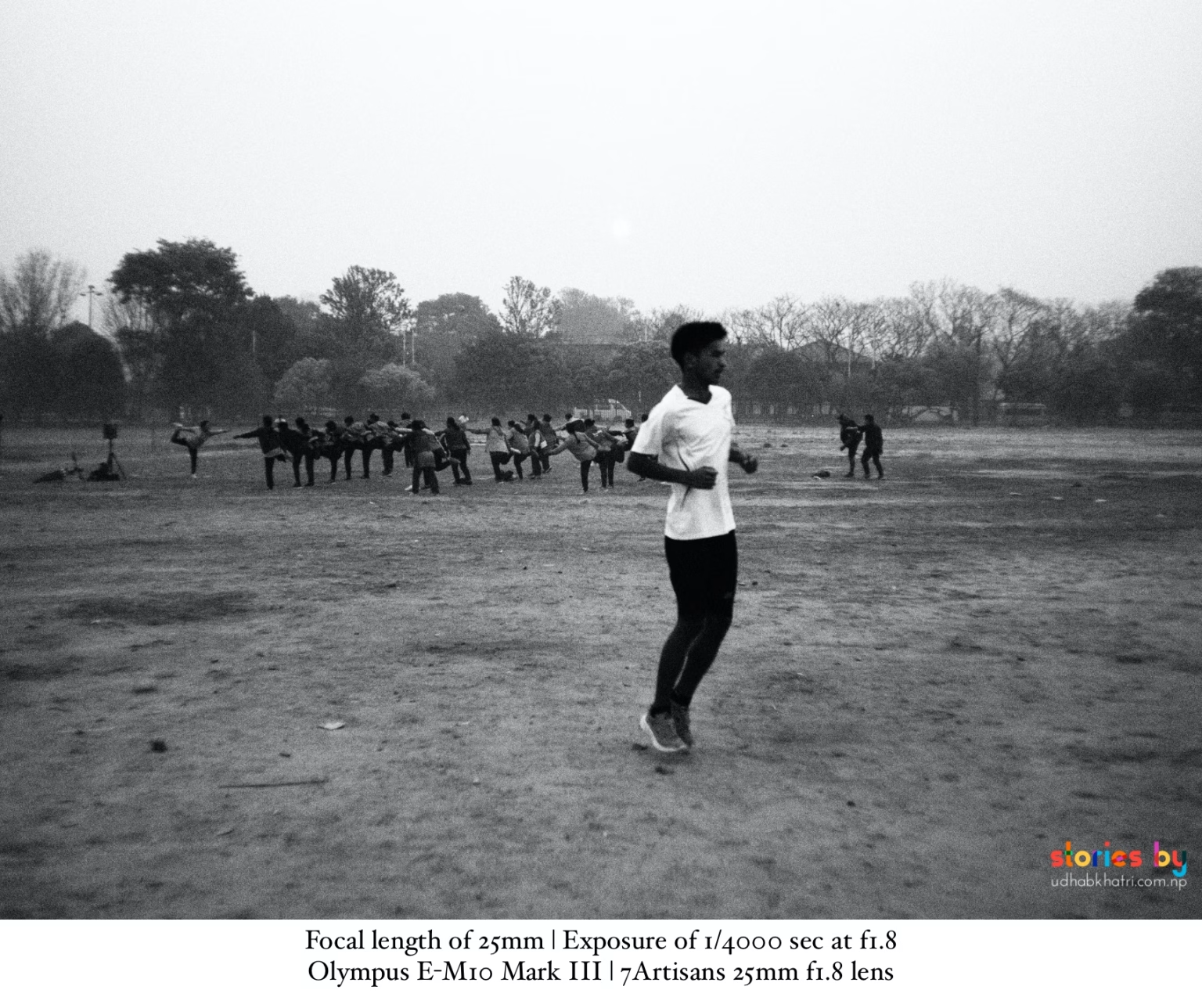
Depth comes from physical distance between elements. If everything is close together, the image looks flat.
Step 4: Watch the Edges
Layered images fail when edges are messy. Clean borders create stronger impact.
Aperture and Depth Control
We tend to shoot everything at f/1.8 or f/2 when we are just starting our photography journey. Wide aperture can destroy background context, remove environmental storytelling, and make layers disappear.
For layered street photography, try f/4 – f/8. Moderate depth of field. Subject separation through positioning, not blur. Depth is spatial, not just optical.


Common Mistakes
- Foreground blocking subject completely
- No visual hierarchy
- Too many competing elements
- Background brighter than subject
- Shooting without waiting
Layering must feel intentional. If everything screams for attention, nothing stands out.
Timing Is Everything
Layered photography often requires alignment. Wait for a person crossing behind another, gesture in one layer that complements another, light falling differently across layers. Pressing the shutter too early destroys layering. Patience builds complexity.
Visual Hierarchy
In a strong layered image, the eye lands somewhere first, then it explores, then it discovers secondary elements. If the viewer doesn’t know where to look, depth becomes chaos. Hierarchy creates clarity.
Old vs Modern – Time Within Layers
Layering is not only spatial. It can be temporal. You can show old architecture + modern clothing, tradition + technology, elder + youth, ritual + tourism. When layers show time contrast, the image gains narrative strength. That is why it is called “Layers of Time.”
What a Strong Layered Image Feels Like
It should feel deep, balanced, intentional, immersive, and calm despite complexity. The viewer should feel inside the scene — not observing from outside.
Final Thought
Before color theory. Before motion blur. Before storytelling projects. Learn depth. If you cannot control space, you cannot control narrative. Layering is one of the strongest foundations in street photography.