Street Photography Basics
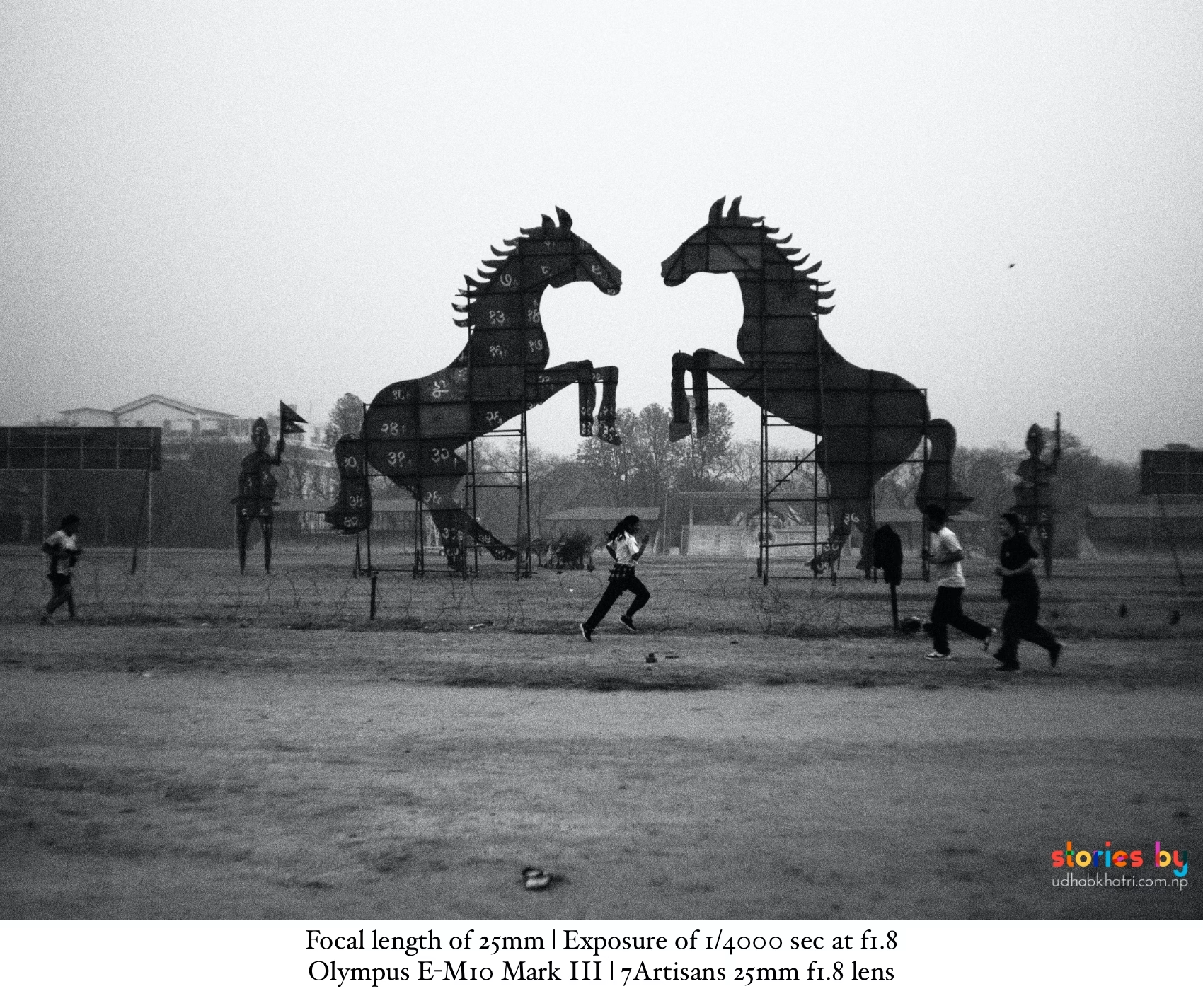
Street photography is not about chasing strangers with a camera. It’s about noticing everyday life — the quiet gestures, the chaos, the routines — and choosing a moment that says something without explanation.
This page isn’t a rulebook. It’s a starting point.
What Street Photography Really Is
At its core, street photography is about life unfolding in public spaces.
It can be:
It’s not limited to busy streets or dramatic scenes. Sometimes, the most powerful frames come from ordinary places — tea shops, temples, bus stops, early morning alleys.

Before the Camera: The Right Mindset
Good street photographs usually happen before the camera is raised. What matters most is slowing down, watching patterns, and letting scenes develop instead of forcing shots.
You don’t need to photograph everything you see. In fact, learning when not to shoot is part of the process. If you feel invisible on the street, you’re probably doing it right.
Gear Doesn’t Matter (But Size Does)
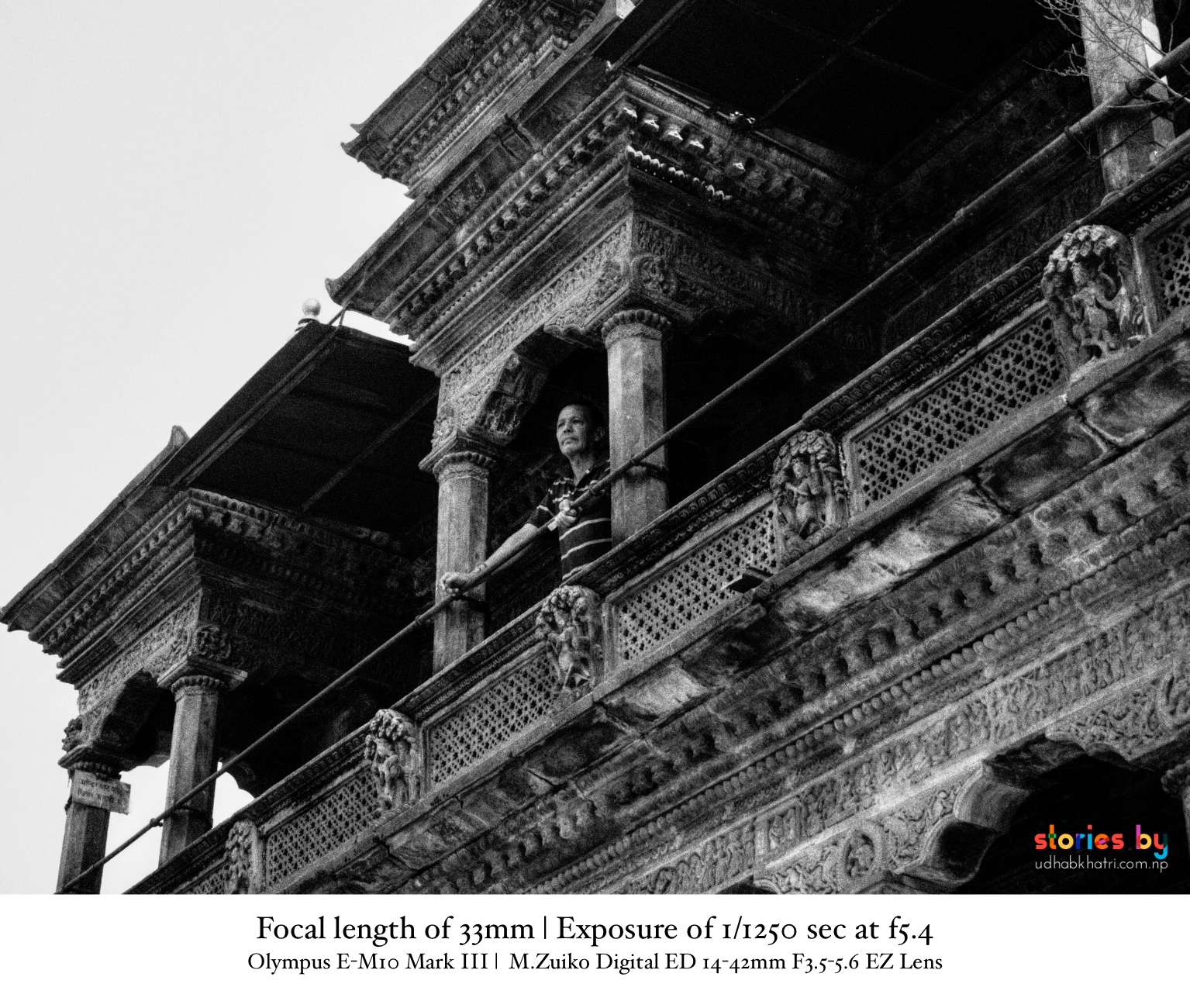
You don’t need expensive equipment for street photography. A small, lightweight camera coupled with a single prime lens helps immensely. Familiarity with your setup is what secures the shot.
Using one lens forces you to move, anticipate, and commit to a frame. It simplifies decisions and keeps your attention on the street instead of your gear bag.
Simple Camera Settings for the Street
Street photography rewards speed and readiness. A simple, functional layout configuration on the body prevents technical hesitation:
The goal isn’t technical perfection — it’s being ready when the moment appears. Missed focus is completely forgivable. Missed moments aren’t.
Common Beginner Mistakes
Most beginners struggle not because of lack of skill, but because of hesitation. Common traps include shooting without a clear subject, overthinking settings, photographing everything instead of waiting, and focusing on gear instead of light and timing.
Street photography improves slowly, but steadily, with time spent observing.
Start Close to Home
You don’t need to travel far to make meaningful street photographs. Your own neighborhood already contains familiar routines, repeating characters, changing light shifts, and unique stories only you can access. The more familiar the place, the better your chances of seeing something deeper.
A Final Thought
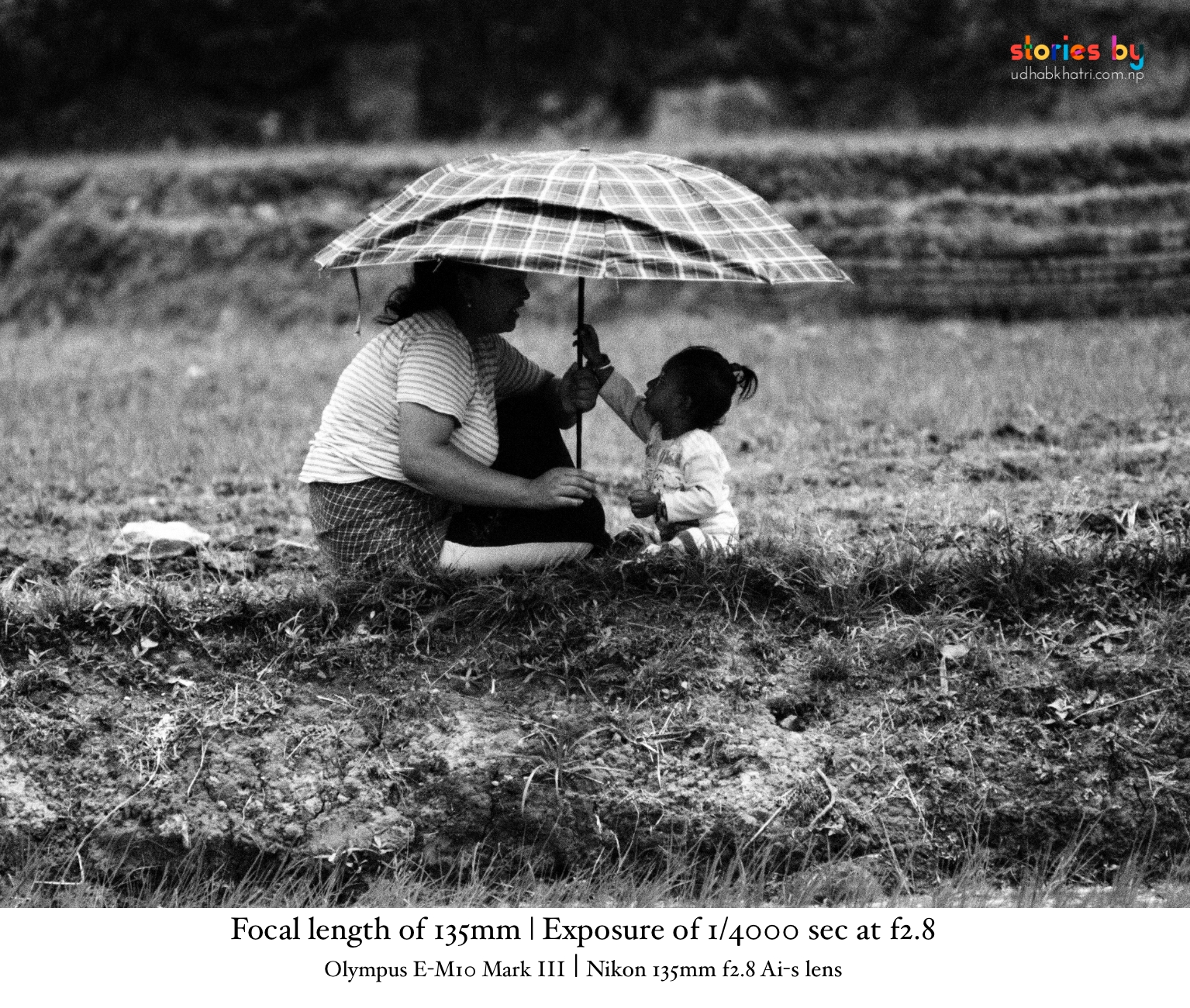
Street photography isn’t about collecting photos. It’s about paying attention.