Composition in Street Photography
The street is messy by default. People move unpredictably. Light changes without warning. Backgrounds rarely cooperate. Good composition in street photography isn’t about perfection — it’s about choosing what stays in the frame and what doesn’t.
Most of the time, composition is less about adding and more about removing.
Composition Starts With a Subject
Before thinking about lines, balance, or rules, there’s one quiet question: What is this photograph about?
It could be:
If you can’t answer that — even roughly — the frame will usually feel confused. Strong street photographs often have one clear anchor, even if the rest of the scene is chaotic.
The Street Is Chaos — Your Frame Is the Filter
You can’t control the street. But you can control where you stand and when you press the shutter.
Composition in street photography often comes down to waiting instead of chasing, letting people enter the frame naturally, and using the environment to isolate the subject. Sometimes the photograph appears only for a second — and disappears just as fast.
Layers: Depth Without Explaining
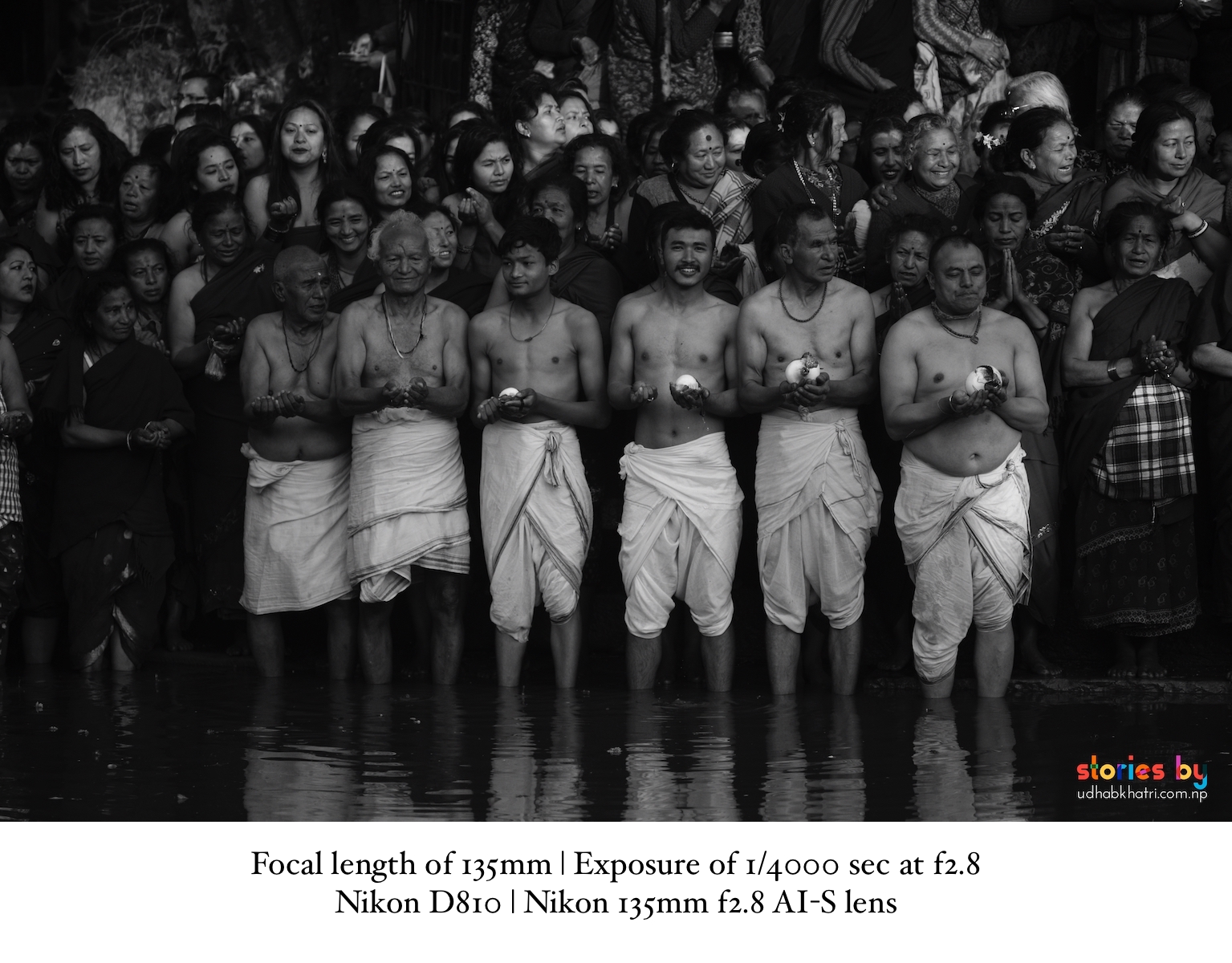
One of the most powerful tools in street photography is layering. Foreground, middle ground, background — not as a formula, but as a way to suggest depth and context. Layers allow a photograph to feel lived-in rather than staged.
A frame with layers invites the viewer to stay longer, to explore quietly.


Negative Space Is Not Empty
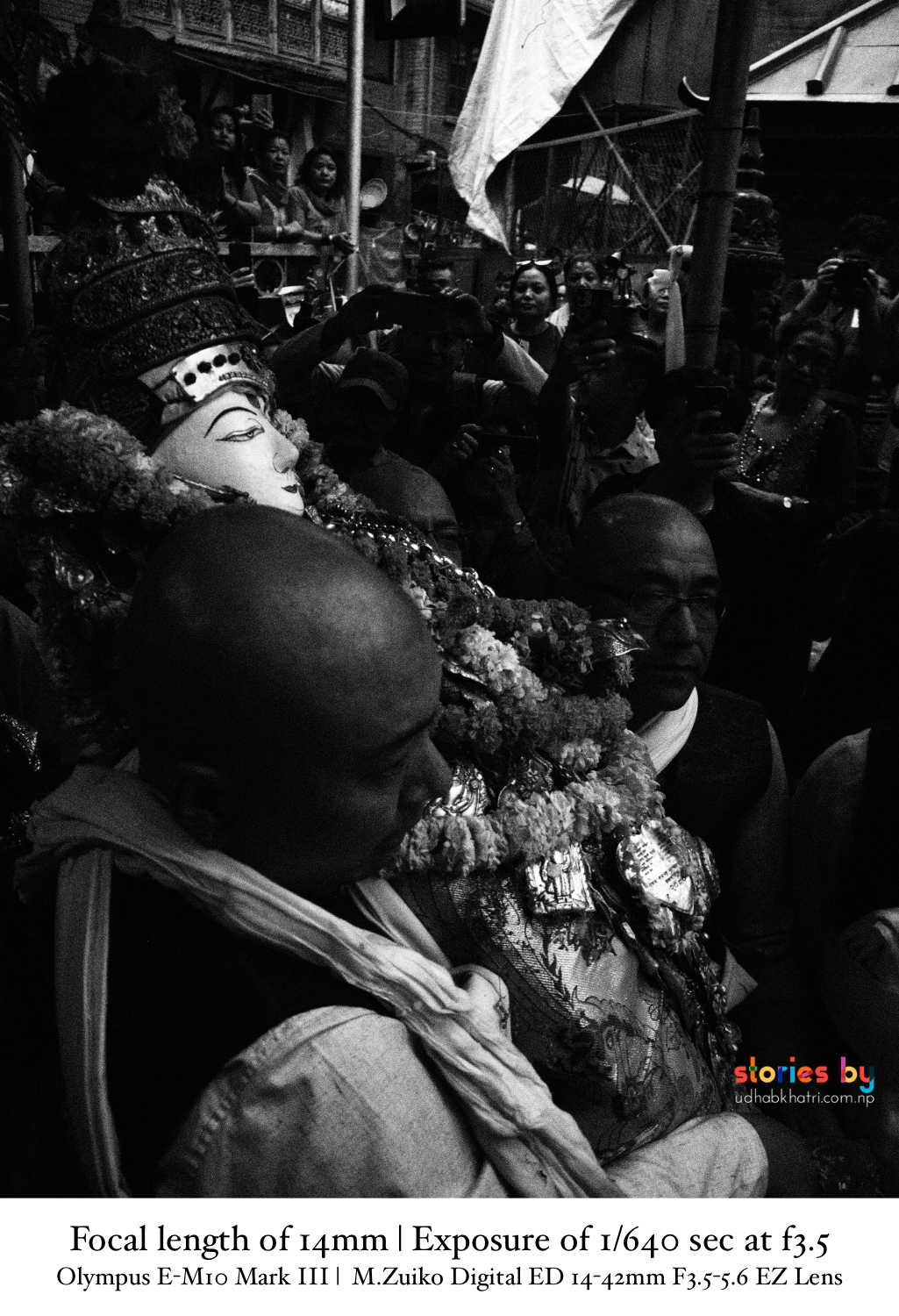
Empty areas aren’t wasted space. Walls, shadows, skies, dark corners — these elements give the subject room to breathe. Negative space slows the image down and helps the viewer understand where to look.
In busy streets, simplicity is often the strongest choice.
Geometry, Without Forcing It
Lines, frames, and shapes exist everywhere — but they don’t need to be obvious. Doorways, windows, poles, stairs, walls — they naturally organize the frame if you let them.
When geometry supports the subject, it strengthens the photograph. When it becomes the subject, the image can feel cold or distant. Subtlety usually ages better than cleverness.
Timing Matters More Than Perfect Framing
A perfectly composed frame means little if the moment is empty. Street photography lives in a glance, a hand movement, a step forward, or a brief alignment of people and space.
Often, it’s better to accept imperfect framing than to miss the moment entirely.
Learn to Walk Away
Not every scene needs to be photographed. Sometimes the composition never settles. Sometimes the subject never arrives. Walking away is not failure — it’s part of the process.
The street will offer something else.
A Quiet Practice
Composition in street photography isn’t learned in one day. It develops slowly, through repetition, missed shots, and small realizations. The more you photograph, the less you think about composition — and the more you feel it.
That’s usually when things start to work.