Mardi Himal,
the ridge that caught on
A popular, accessible trek with rhododendron forests, a narrow spine trail, and the closest views of Machhapuchhre's hidden face
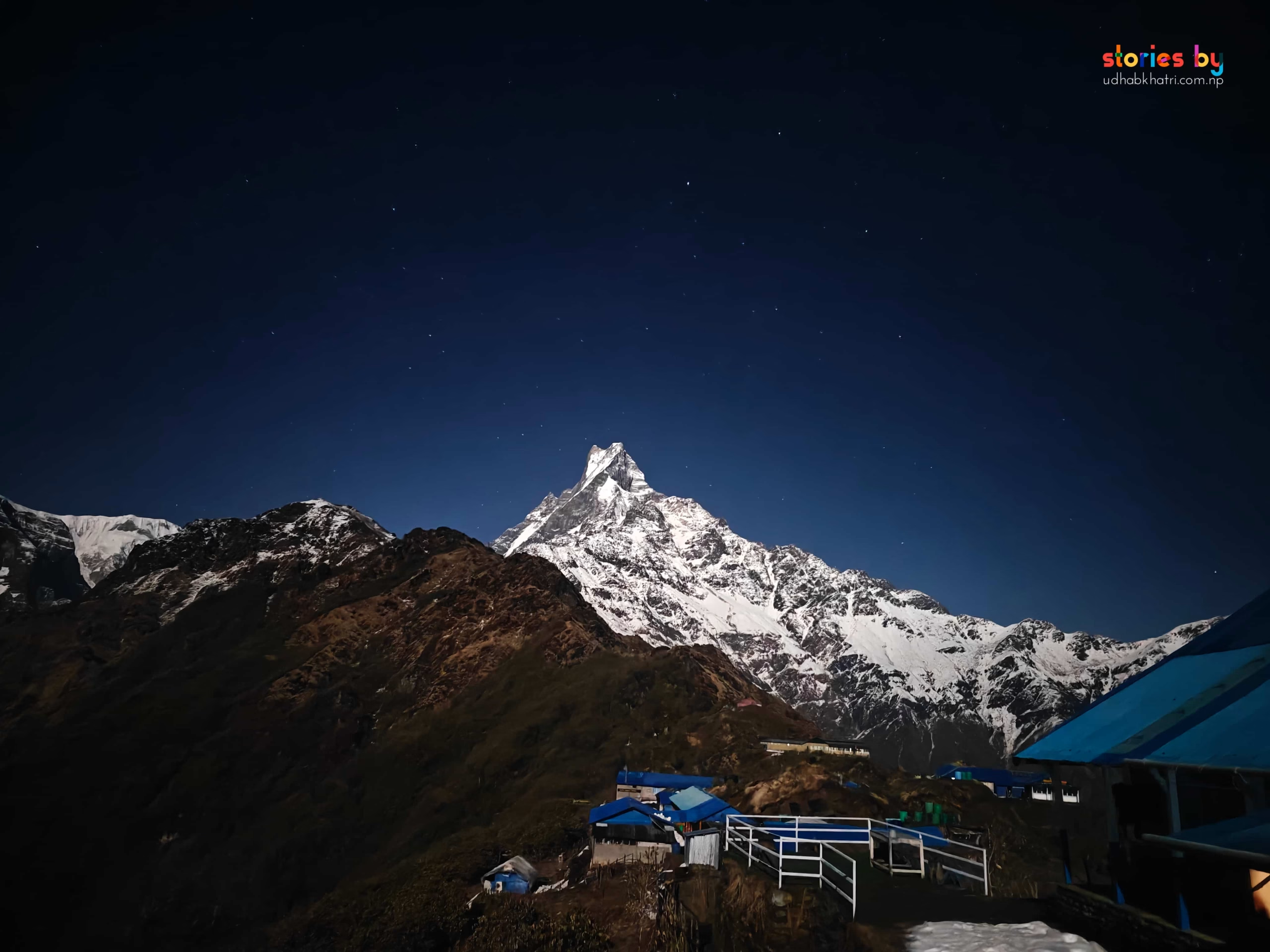
Once a little‑known side trail, Mardi Himal has become one of the most popular short treks in the Annapurna region — and for good reason. It offers an accessible, 5‑ to 7‑day walk through dense rhododendron forests to a high ridge where Machhapuchhre's southwest face feels close enough to touch. The trail is busy in peak season, but the views are worth the company, and the flexibility to combine it with the ABC trail, Poon Hill, and Ghandruk makes it a key piece of any photographer's Annapurna plan.
Kande to Mardi Base Camp — The Ascent
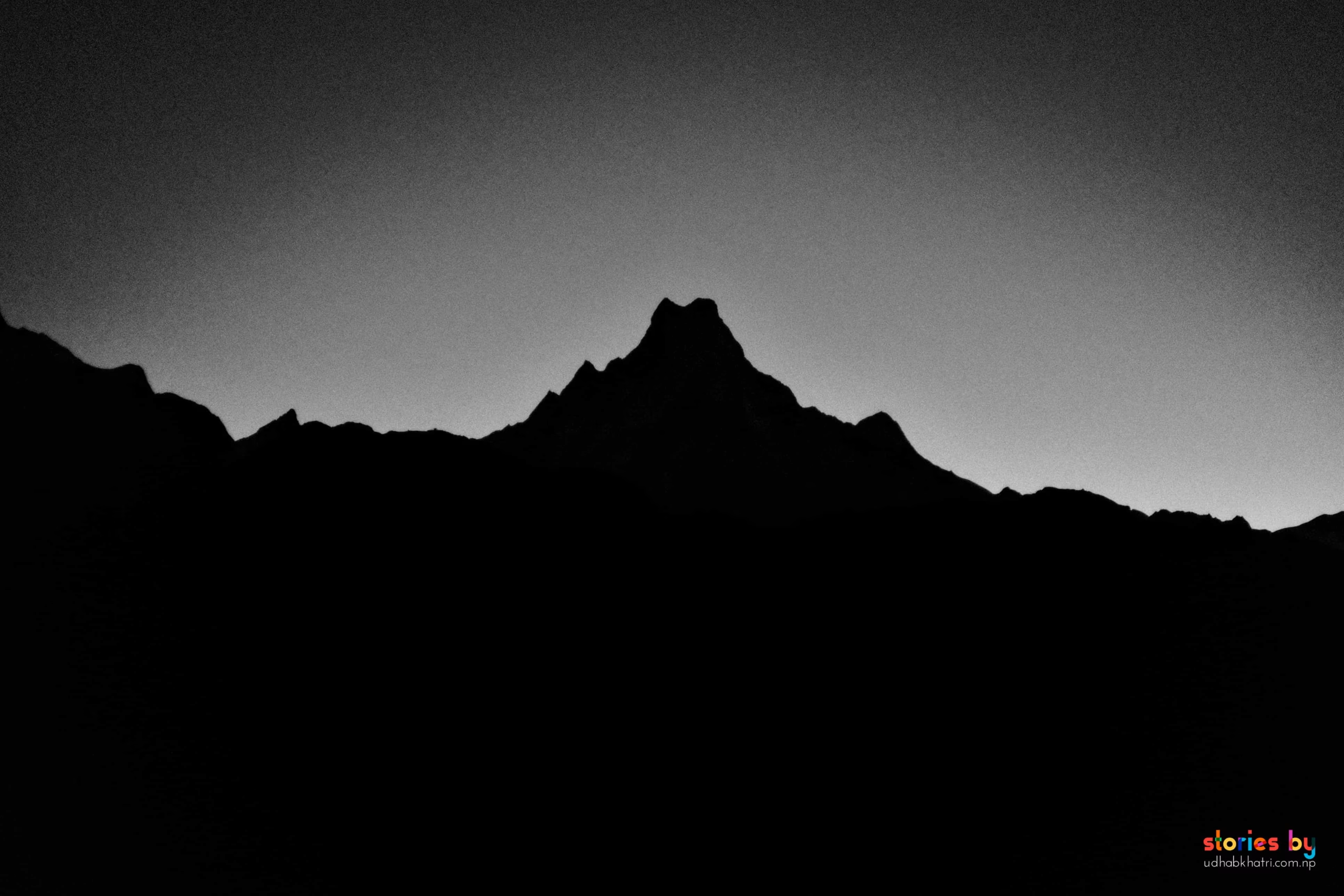
The trail typically begins at Kande (1,770 m), a short drive from Pokhara, or from Phedi further south. From Kande, the path climbs quickly through oak and rhododendron forest to Australian Camp — a ridgetop clearing with sweeping views of the Pokhara valley and the entire Annapurna range. It's a perfect spot for sunrise silhouettes and morning mist.
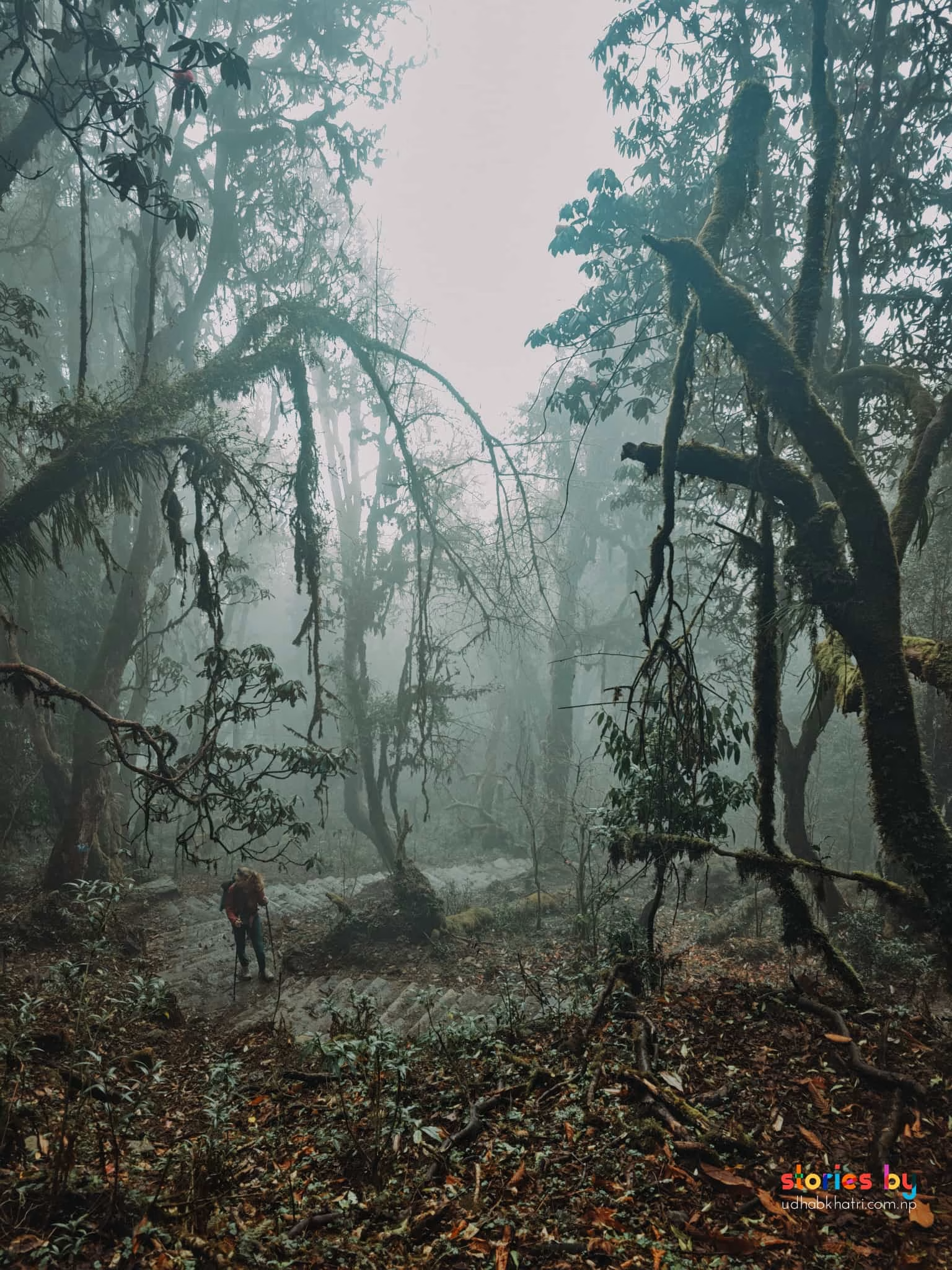
Beyond Australian Camp, the trail passes Pothana (1,890 m) — the junction where the Mardi ridge splits from the route to Landruk and the ABC trail — and then enters the deep, moss‑draped forest that characterises the lower ridge. Forest Camp (Kokar, 2,550 m) is the first overnight stop, a cluster of simple lodges in a clearing of giant rhododendrons. The light here, filtered through the canopy, is soft and green; a macro lens or a telephoto can isolate the red blossoms against the dark foliage in spring.
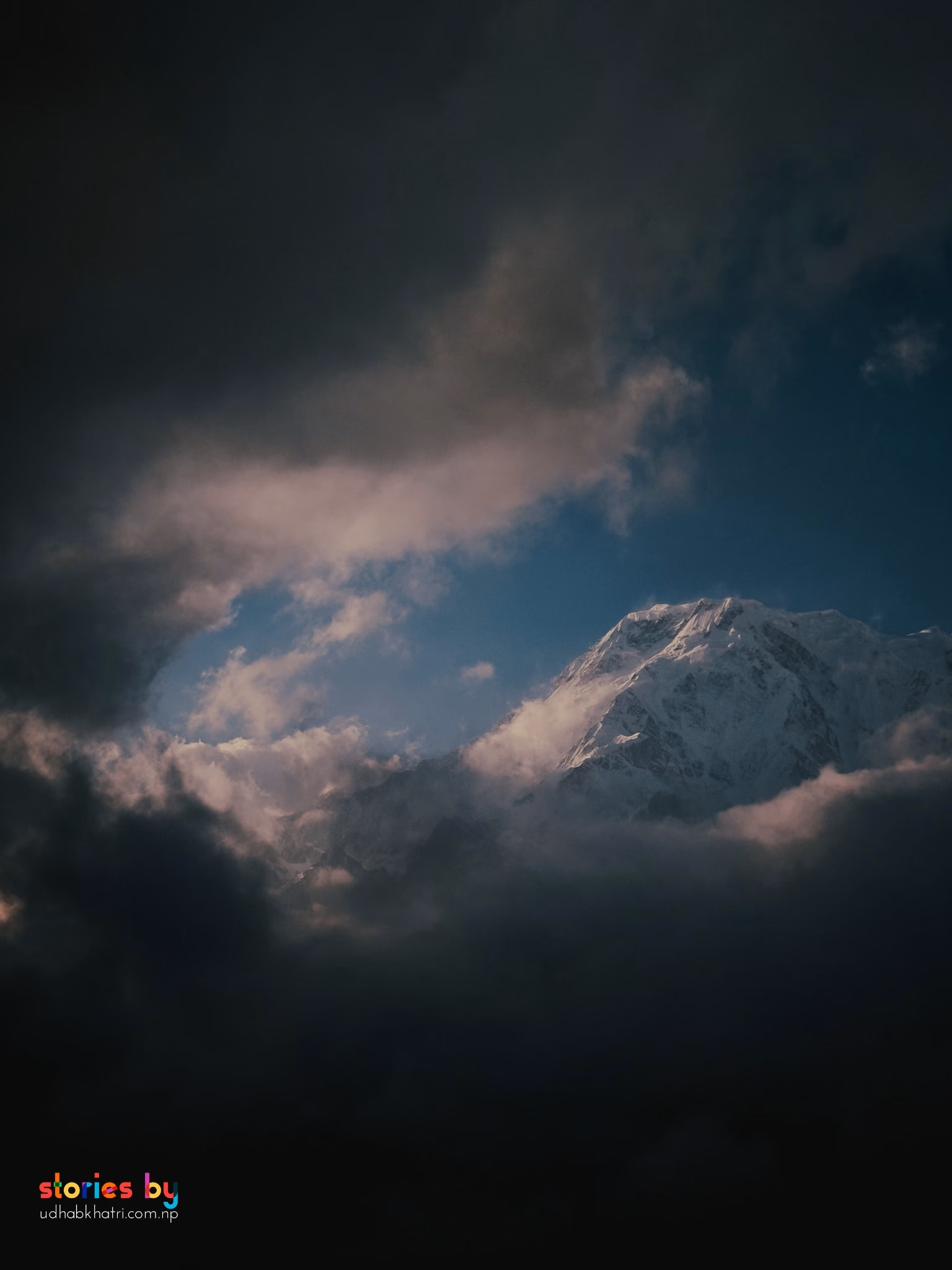
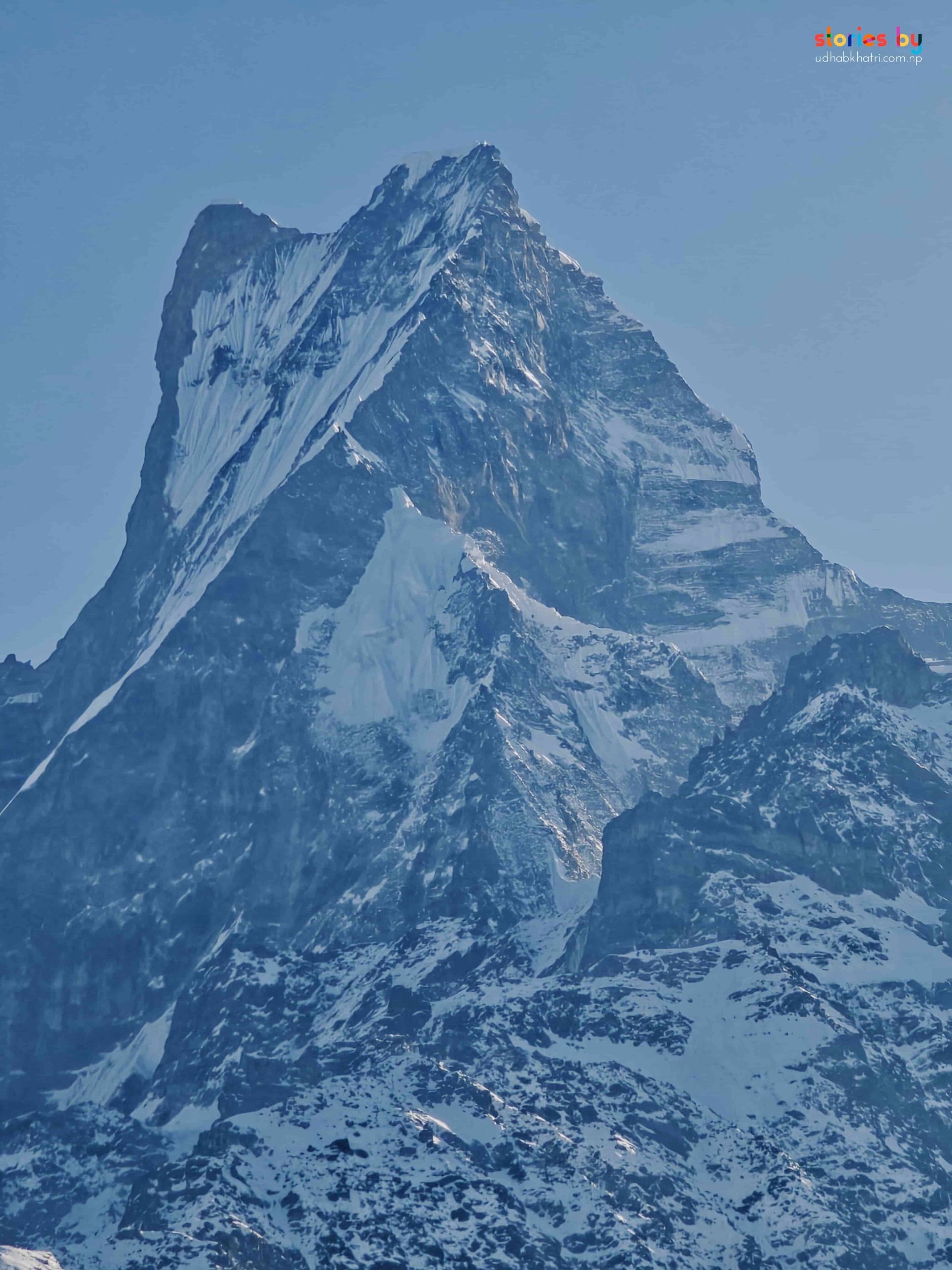
From Forest Camp, the trail steepens toward Low Camp (2,970 m), where the trees begin to thin and the first close‑up views of Machhapuchhre appear through the breaks in the forest. The final push to High Camp (3,580 m) is short but demanding, and the landscape changes dramatically: the rhododendrons give way to scrub, then to bare rock and wide, wind‑scoured sky. High Camp itself sits directly beneath the southwest face of Machhapuchhre, and the sunset light here — orange and pink on the ice — is some of the finest in the Annapurna region.
The last stage, from High Camp to the Mardi Base Camp viewpoint (approx. 4,500 m), is an early‑morning climb along a narrow spine trail. The ridge is exposed, the views are immense, and the sense of standing alone above the clouds, with the Annapurnas to the north and Dhaulagiri visible on clear mornings, is unforgettable. A wide‑angle (16‑35mm) captures the full panorama; a telephoto (70‑200mm) isolates the seracs on Machhapuchhre's face and the ridgeline receding into the haze.
The narrowness of the trail is your compositional advantage. Use the ridgeline as a leading line that draws the eye toward Machhapuchhre. At High Camp, set up for sunset — the light on the southwest face is fleeting but extraordinary. For the early‑morning climb to the viewpoint, bring a headlamp and a tripod; the pre‑dawn sky behind the silhouette of the ridge makes for powerful, minimalist images.
 Photo
Photo
 Photo
Photo
 Photo
Photo
 Photo
Photo
Connected to the Sanctuary & the Villages
Mardi Himal doesn't exist in isolation. At Pothana, the trail splits — one path continues north toward Landruk and the ABC route, while the other climbs east onto the ridge. This makes it easy to combine Mardi with a longer Annapurna Sanctuary trek (11–14 days total). From Landruk, Ghandruk is a short, scenic day's walk — a large Gurung village with a cultural museum, traditional houses, and magnificent views of Annapurna South and Hiunchuli.
The classic Poon Hill / Ghorepani trek is also accessible from the same trail network. Starting from Nayapul, you can climb to Ghorepani and Poon Hill, then descend through Tadapani and join the Mardi ridge at Landruk or Pothana — or vice‑versa. This flexibility makes Mardi an ideal component of a larger, highly personalised Annapurna photography expedition.
Rhododendrons, Pheasants & Ridge Ecology
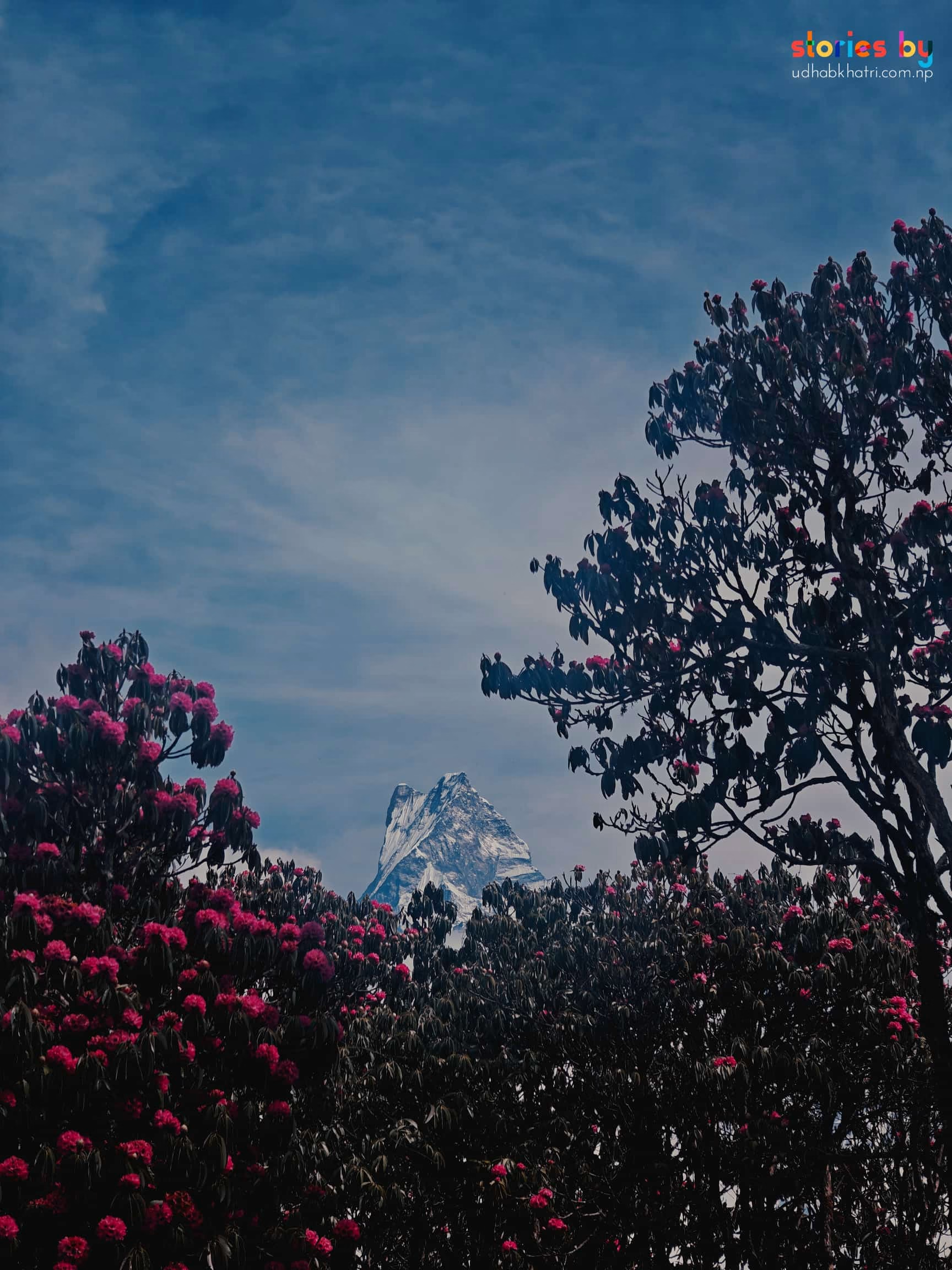
The Mardi Himal trail is renowned among botanists and birdwatchers. In spring, the rhododendron forests between Forest Camp and Low Camp are a riot of colour — red, pink, and white blossoms against the dark, mossy trunks. The narrow trail creates natural frames through the foliage; a telephoto lens (70‑200mm) compresses the flowers against the distant snow peaks, while a macro lens captures the delicate structure of individual blossoms.
The Himalayan monal (danphe), Nepal's national bird, is frequently spotted on the upper sections of the trail, particularly near Low Camp and High Camp. The males are unmistakable — iridescent blue, green, and copper plumage that shifts with the light. A fast telephoto and a steady hand are essential; these birds are shy and rarely stay still for long. Overhead, lammergeiers (bearded vultures) soar on the thermals, their massive wingspan silhouetted against the snow.
Permits & Fees
Mardi Himal is inside the Annapurna Conservation Area. Two standard permits are required, both obtainable in Kathmandu or Pokhara.
Foreigners: NPR 3,000 · SAARC: NPR 1,000
Fees subject to change. Verify current rates at the tourism office before departure.
Safety on the Mardi Ridge
The Mardi Himal trail is short but reaches altitudes above 4,500 m. Acclimatisation is important — don't skip the rest day at Low Camp or High Camp. The final ridge is exposed and can be windy; dress in layers and be prepared for sudden weather changes. Snow can cover the upper sections in winter and early spring, making crampons or microspikes advisable.
Read our complete trekking safety guide for Nepal. It covers acclimatisation, travel insurance, what to pack, and how to handle emergencies on the trail.
Read the safety guide →