Festivals of Nepal,
a photographer's calendar
When the streets become a theatre of devotion, colour, and raw energy
Nepal's festivals are not staged events — they are living, breathing expressions of faith that spill into every lane and square. For the documentary and travel photographer, they offer an unparalleled canvas. This guide covers the most visually rich festivals across the Kathmandu Valley, with practical advice on where to stand, when to arrive, and what to expect. Many take place inside heritage zones that require an entry ticket — plan ahead so you are not caught without a pass.
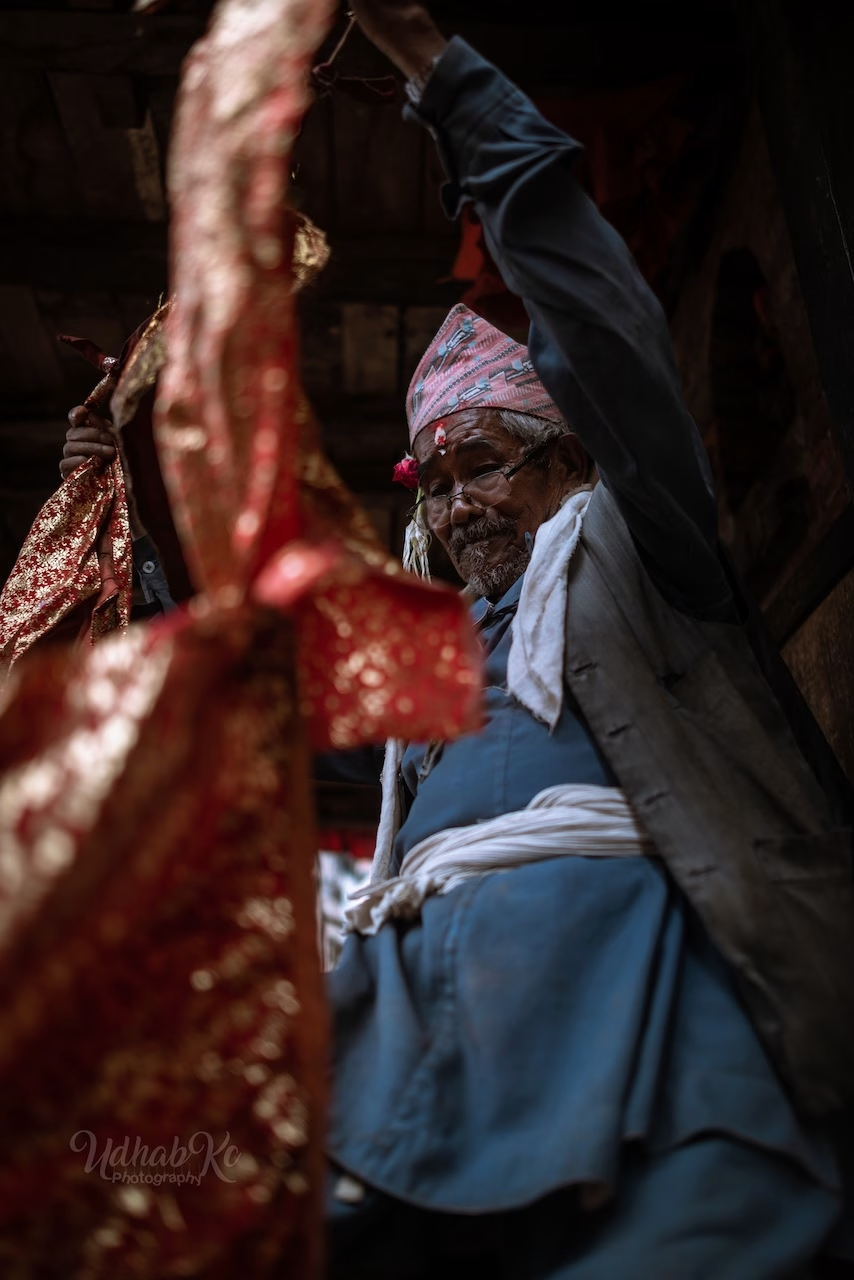
Madhav Narayan
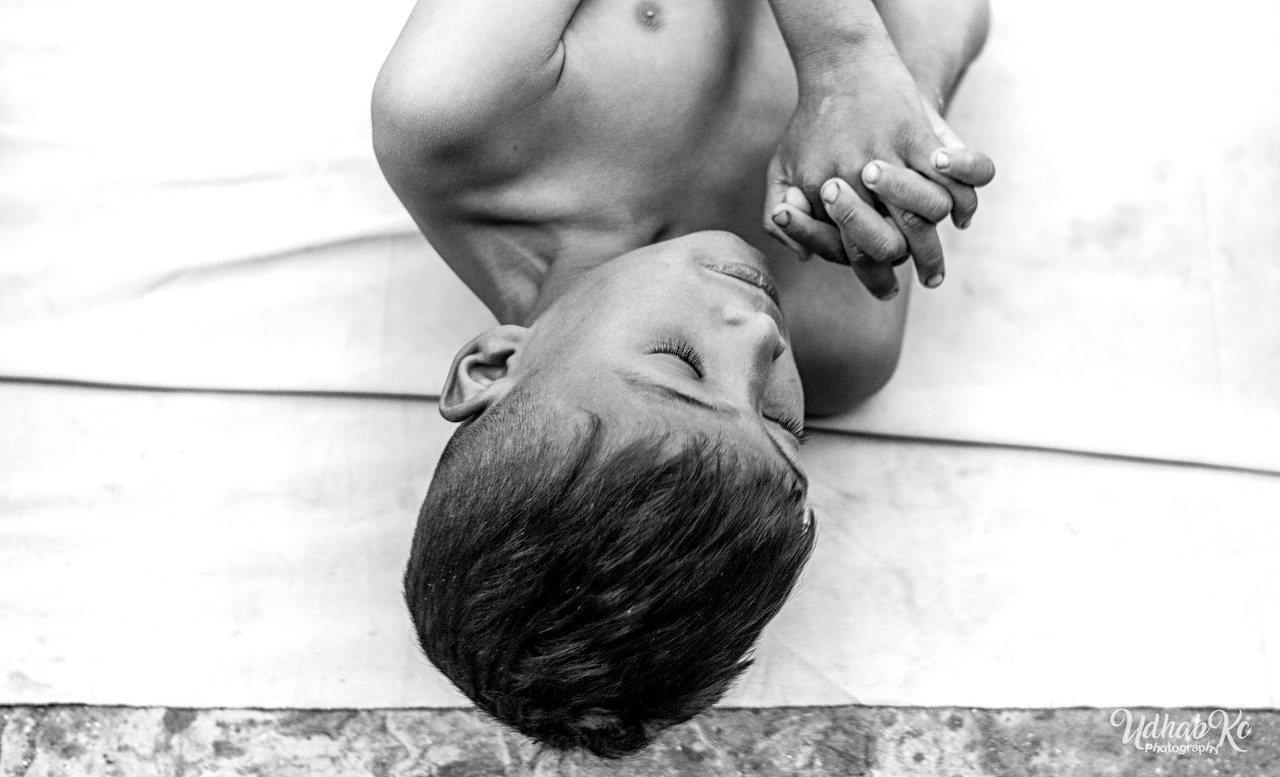 Photo — Madhav Narayan
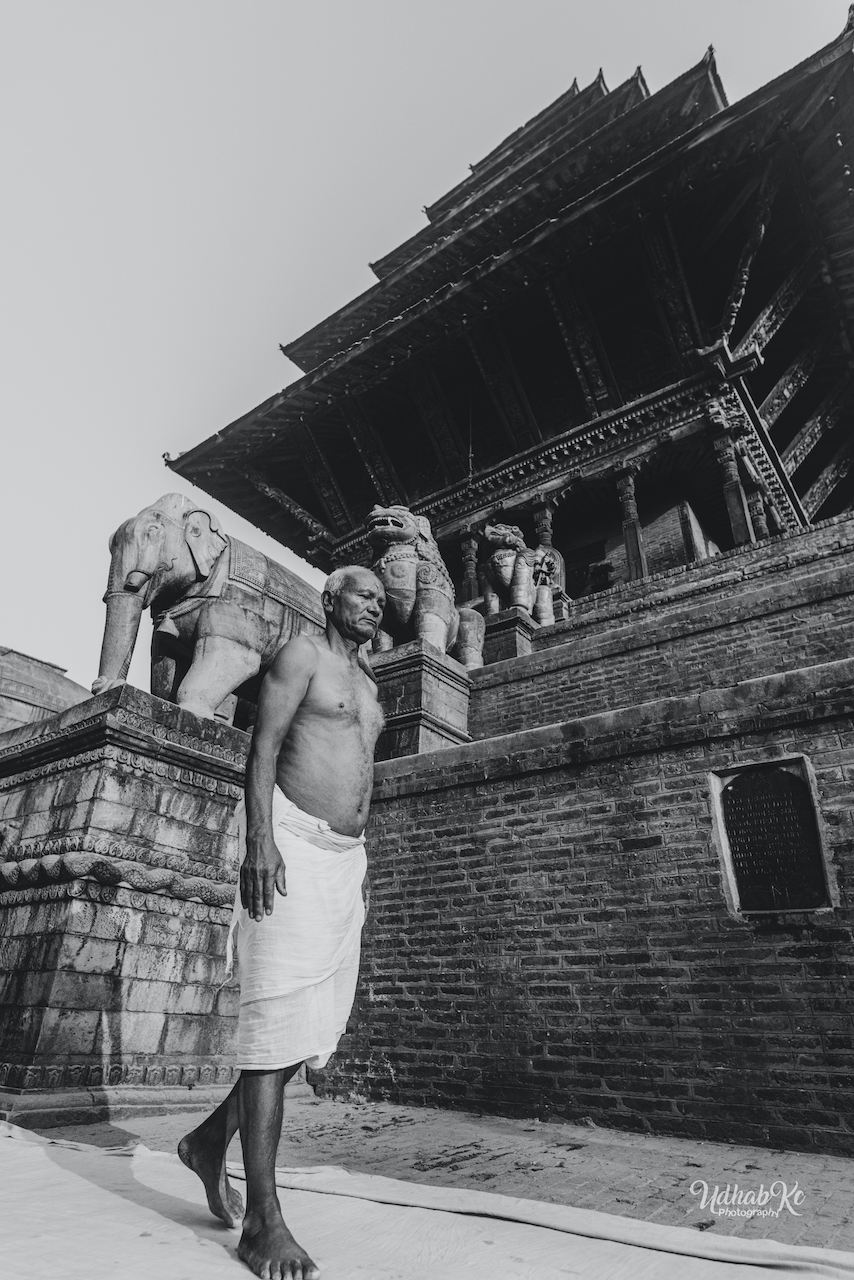
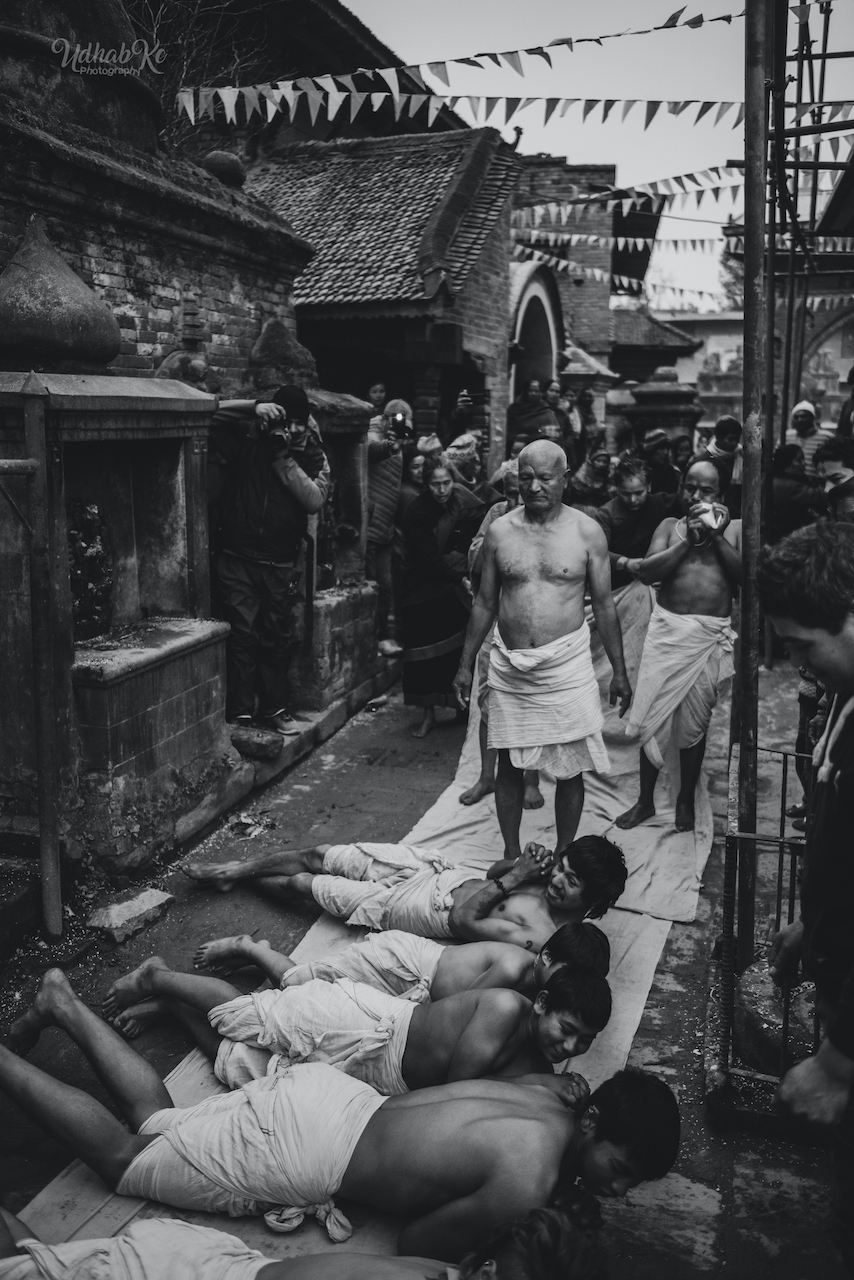
During the coldest weeks of winter, devotees in white dhoti gather on the banks of the Hanumante River. They roll a length of white cloth around the temple premises, an act of deep penance. The ritual repeats every morning for a month. At the end of each day's puja, they move to the river to offer water to the sun — a moment of pure, raw spirituality against the morning mist.
Be there by 6:30 am. The elevated spot across the river gives you a clean, high vantage point for both the rolling procession and the final river immersion. Ask the temple help desk if you want to catch the days when the procession extends toward Dattatreya Temple or Durbar Square.
From the elevated opposite bank, a 70‑200mm telephoto isolates individual devotees mid‑roll or as they enter the water, while a wide‑angle (24‑35mm) can capture the entire line of white‑clad figures against the temple and the misty river. Do not touch or interrupt the devotees; they are in a state of deep ritual concentration.
 Photo
Photo
 Photo
Photo
 Photo
Photo
 Photo
Photo
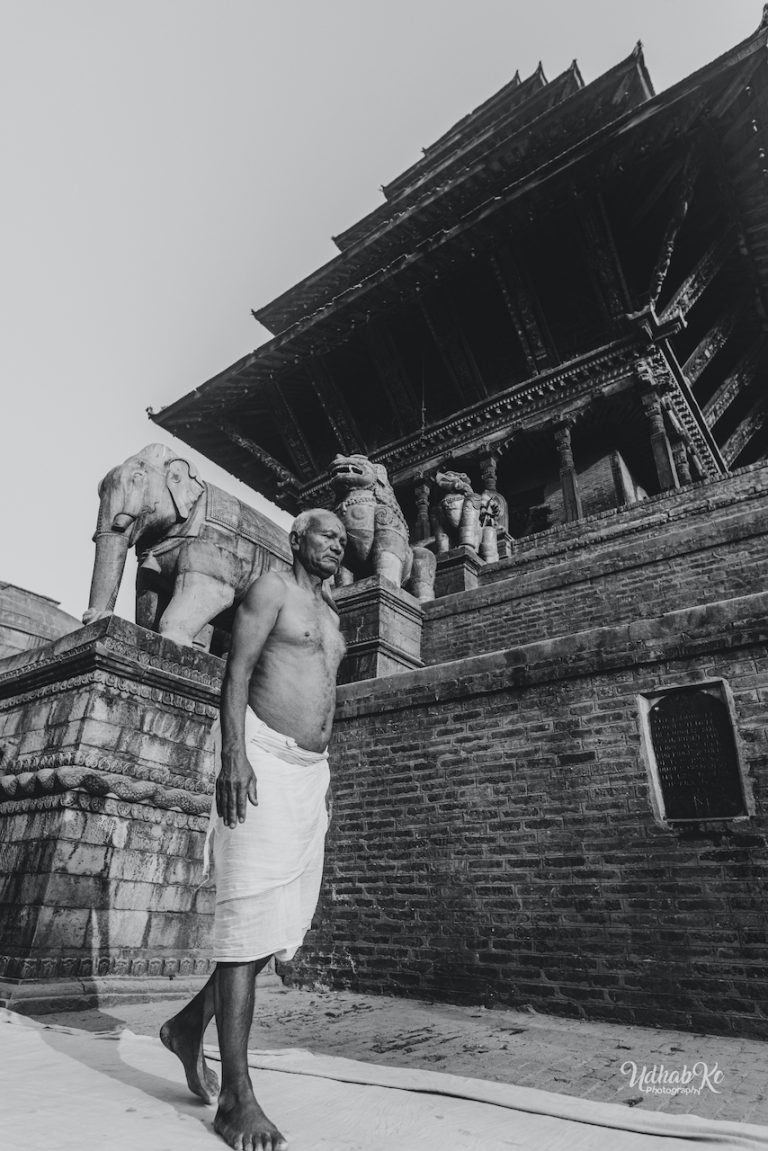
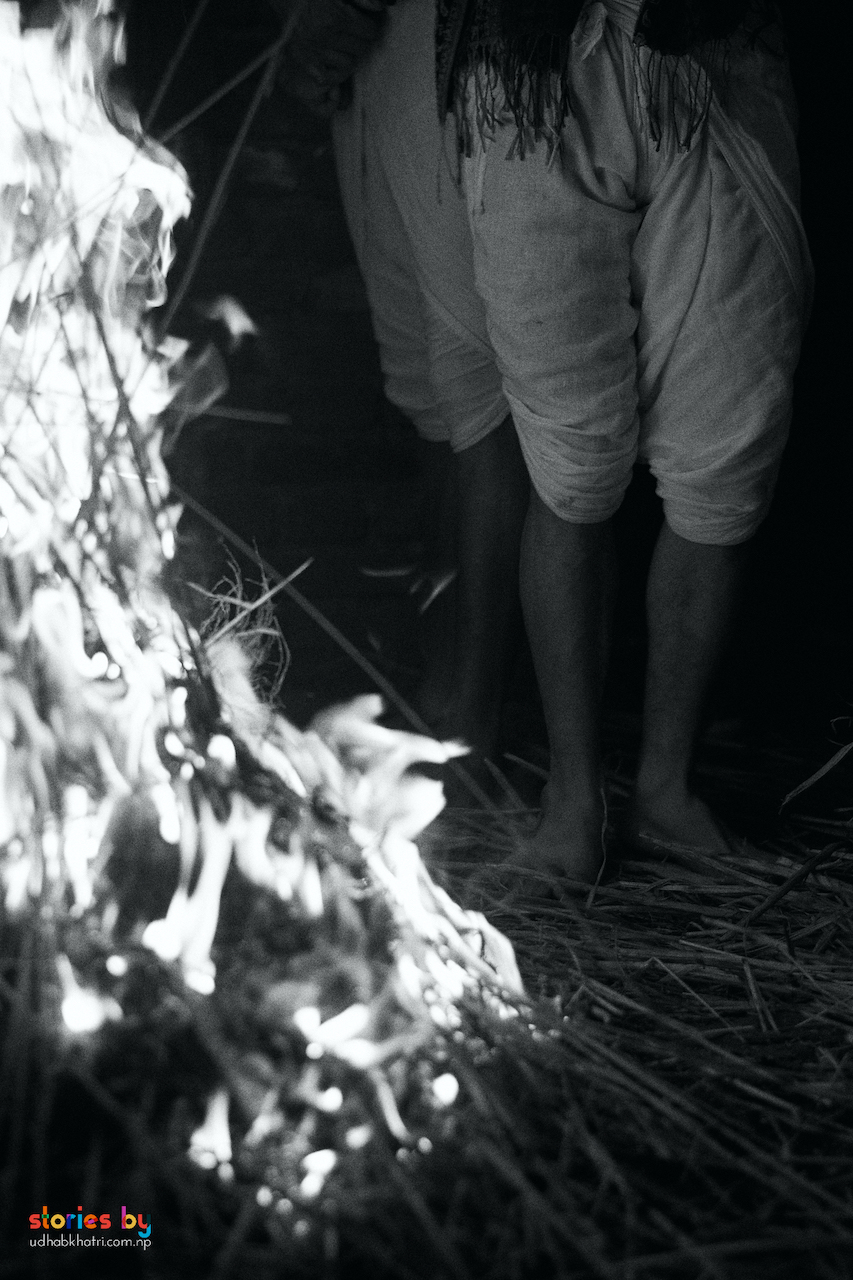
This story follows one devotee from Madhav Narayan Festival who performs various religious activities during this festival
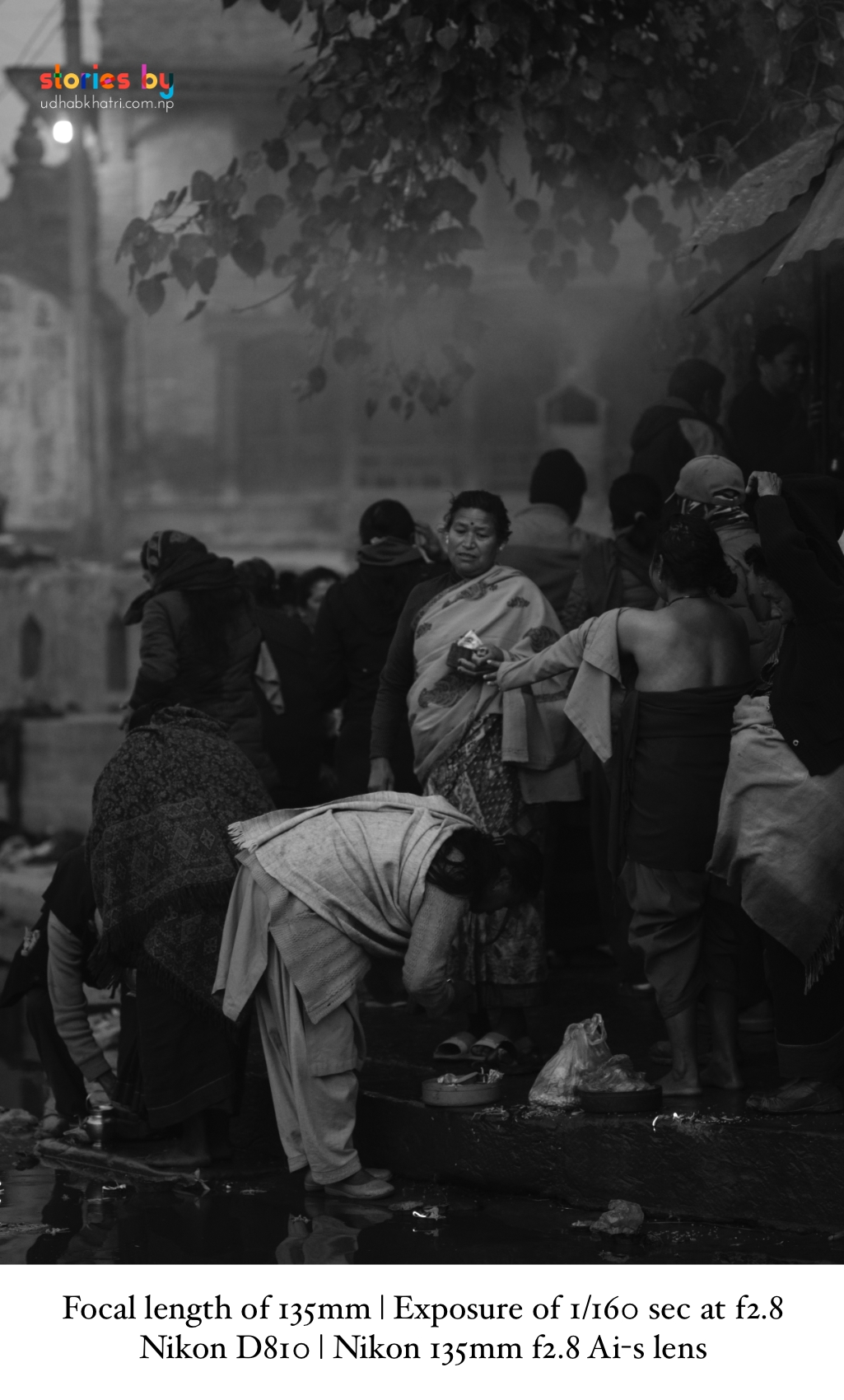
Devotion in the cold — the month-long festival observed by many, fasting and praying through the heart of winter.
Maha Shivaratri
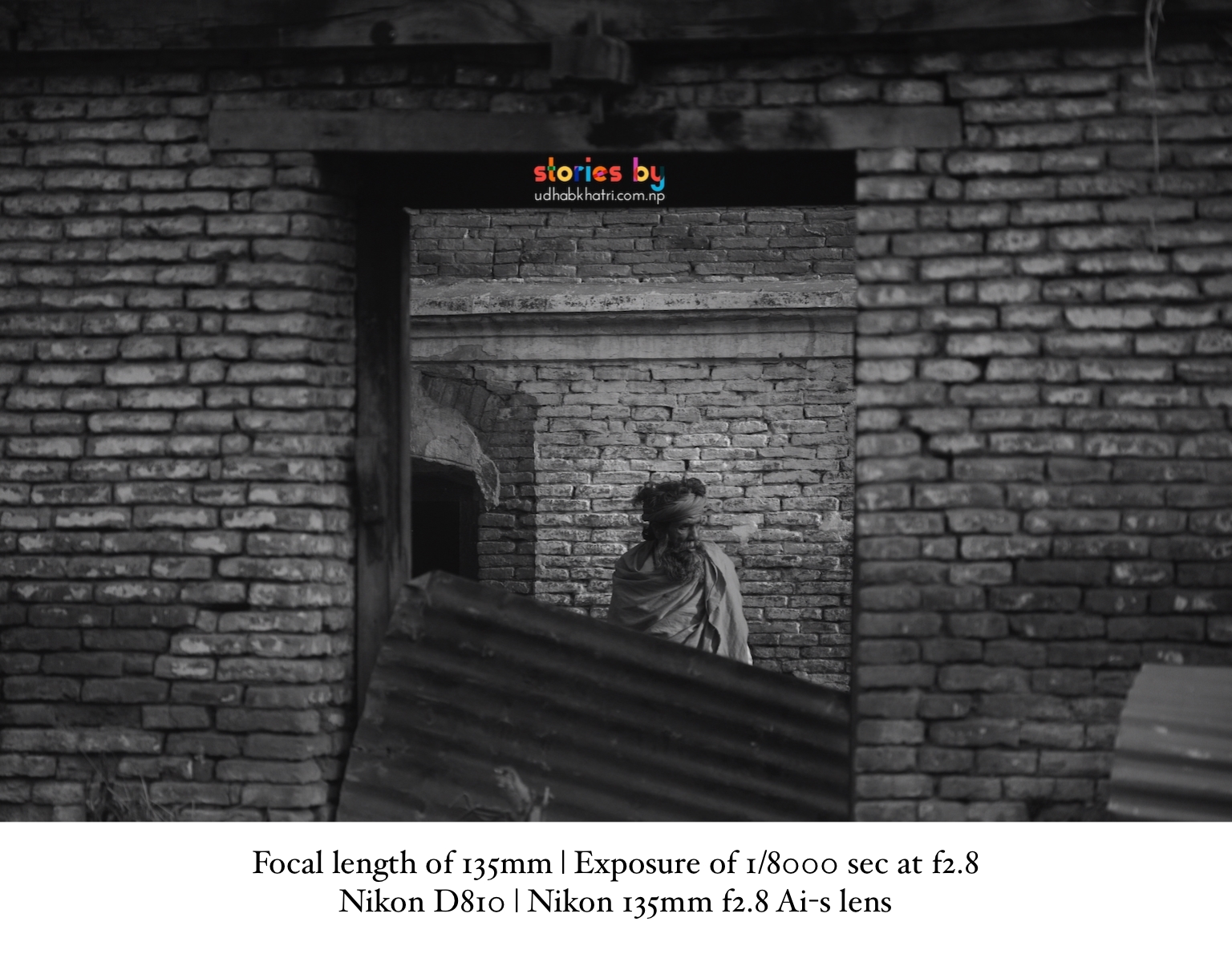 Photo — Maha Shivaratri
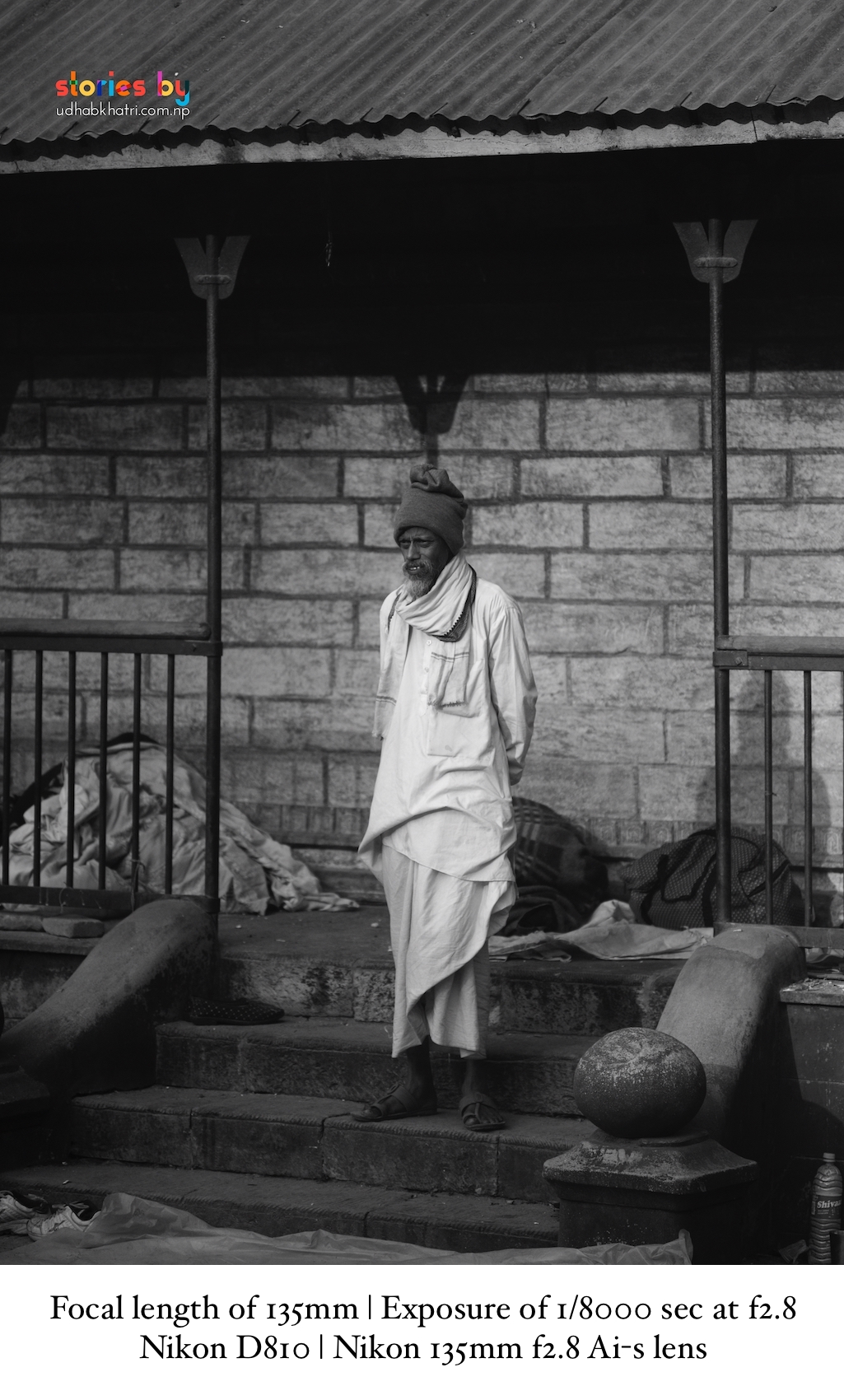
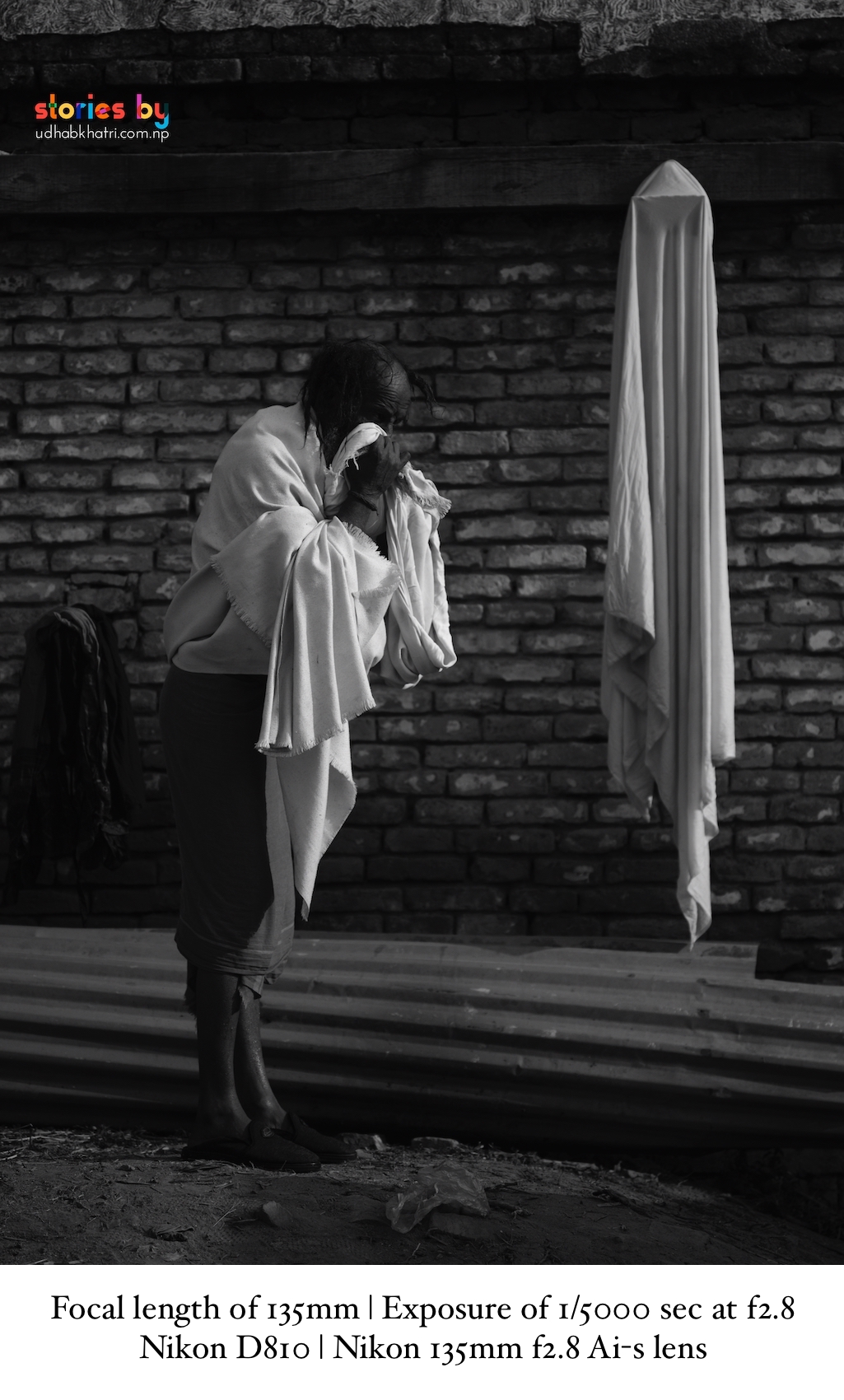
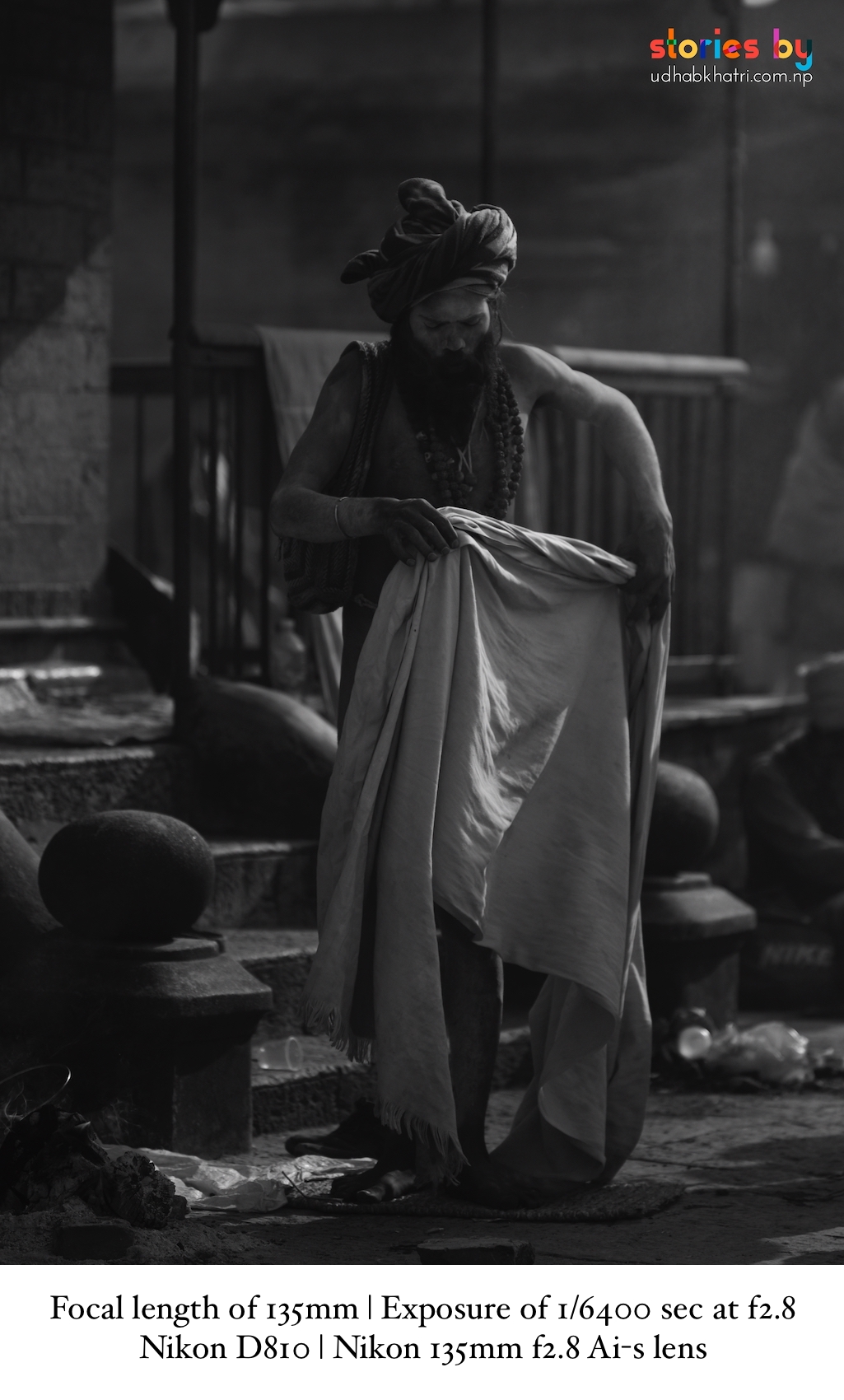
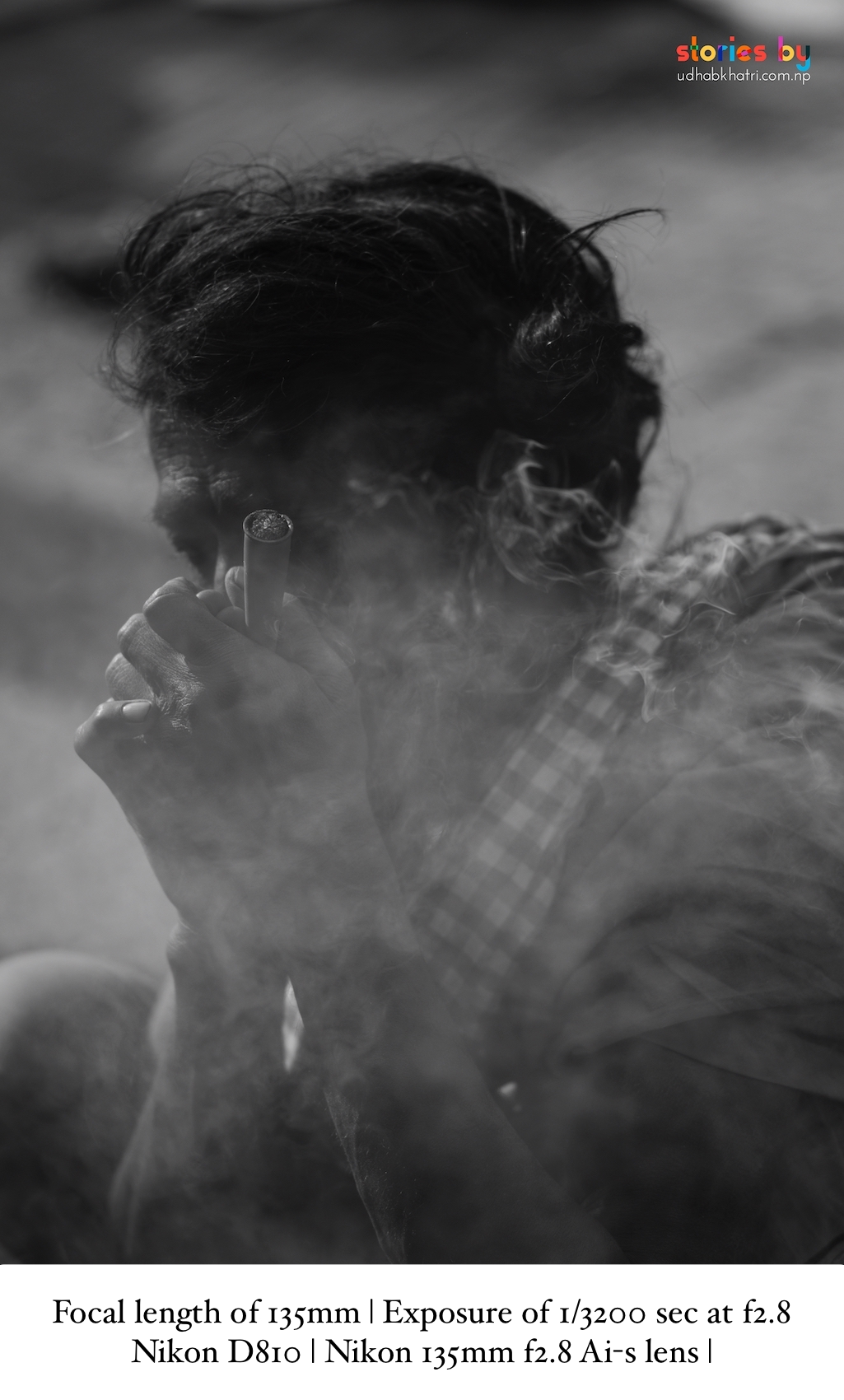
The Great Night of Shiva draws sadhus from every corner of the subcontinent. The evening before, large wooden fires are lit along the Bagmati River, and holy men gather to smoke chillums, their ash‑covered faces illuminated by the flames. The morning after, the ghats fill with pilgrims bathing in the holy water. Photographically, this is the most intense 24‑hour window in the valley. Note: Pashupatinath is a ticketed heritage site; make sure you have your entry pass, especially during the heavy festival crowds when checks are stricter.
A fast prime — 50mm or 85mm f/1.4–f/1.8 — is essential for the firelit portraits at night. Expose for the face, not the fire, and let the background fall into deep shadow. The morning after, a 70‑200mm from the opposite bank captures the bathing rituals with a soft, cinematic light. Arrive at Ram Mandir early to secure an unobstructed view.
 Photo
Photo
 Photo
Photo
 Photo
Photo
 Photo
Photo

A night among the sadhus: fire, ash, and devotion at Pashupatinath.
Seto Machhindranath Jatra (Janabaha Dyo)
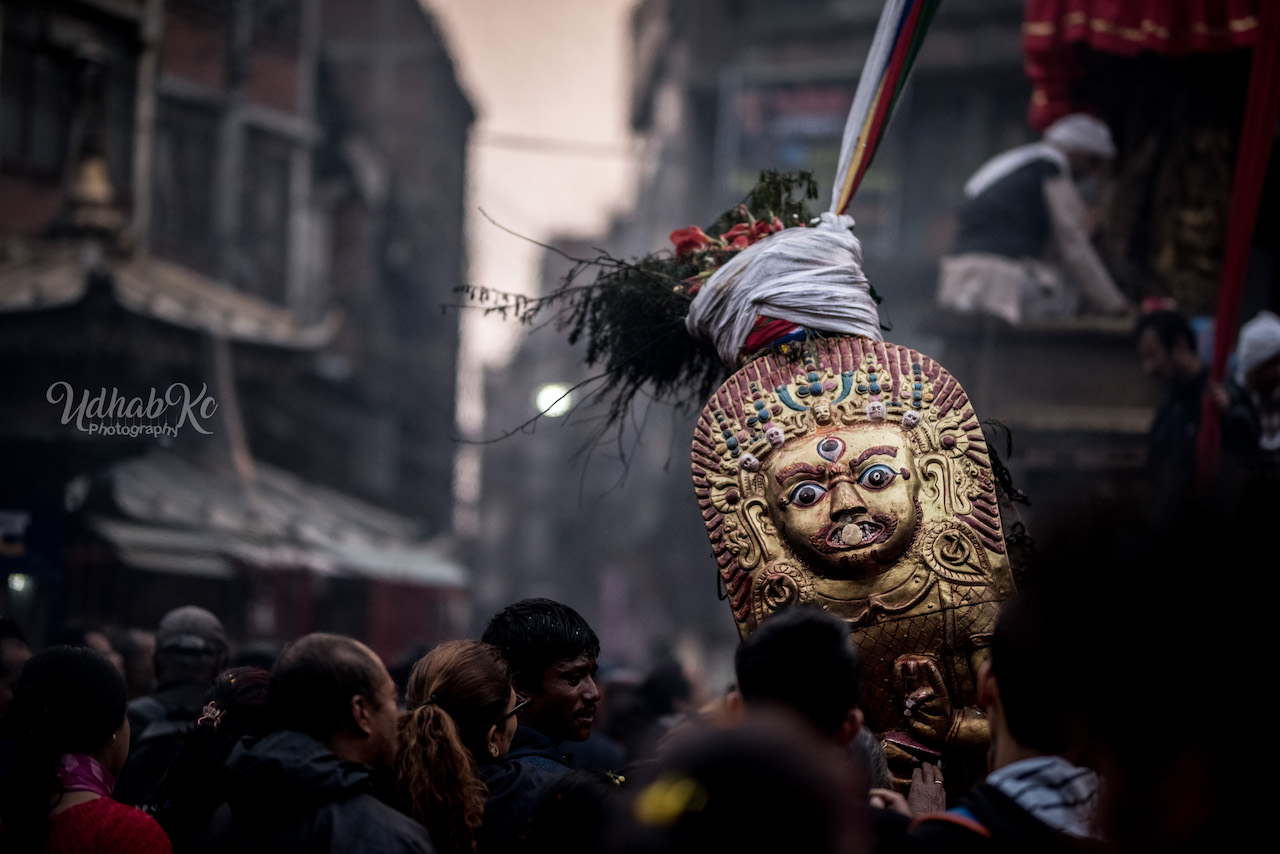 Photo — Seto Machhindranath
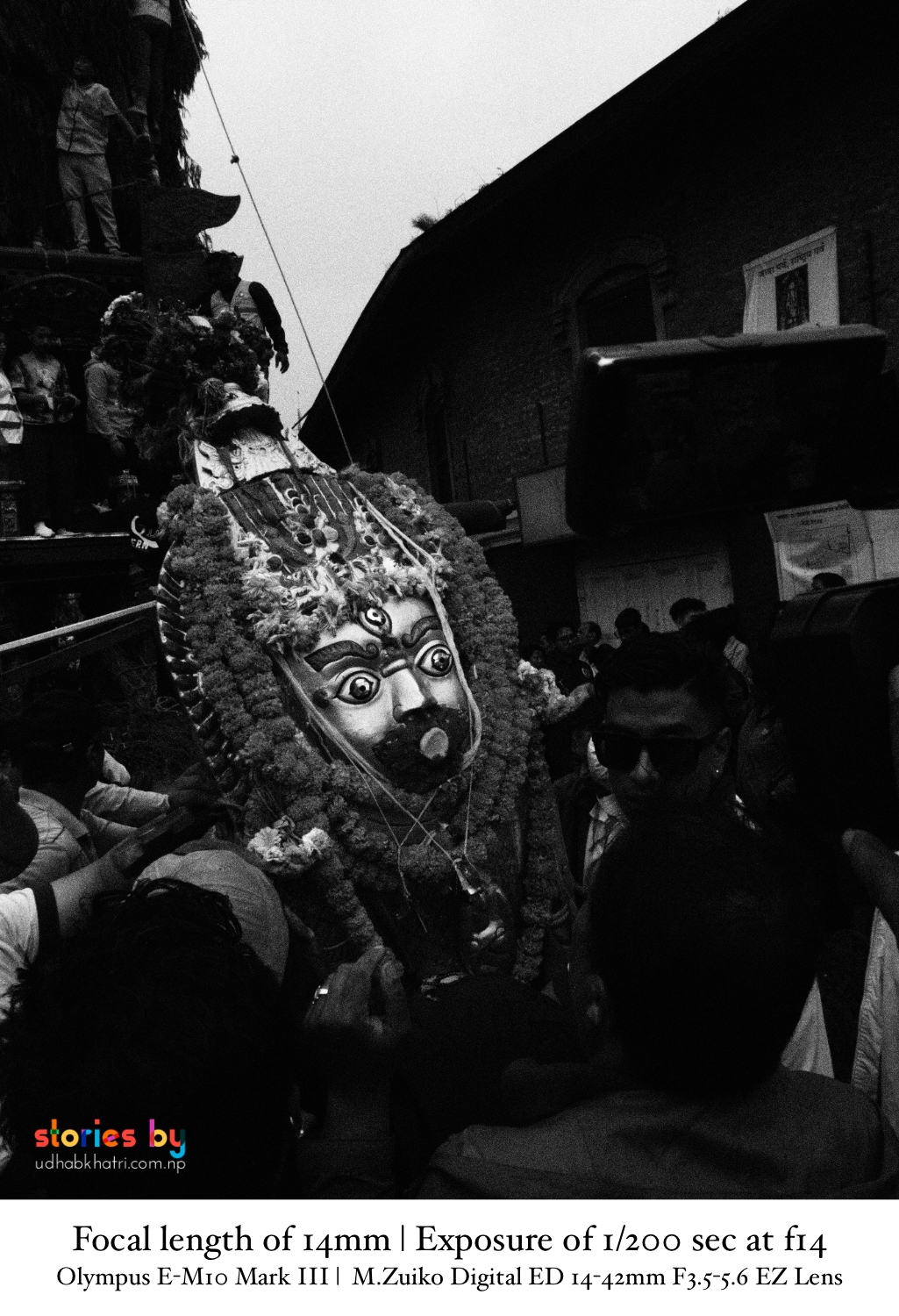
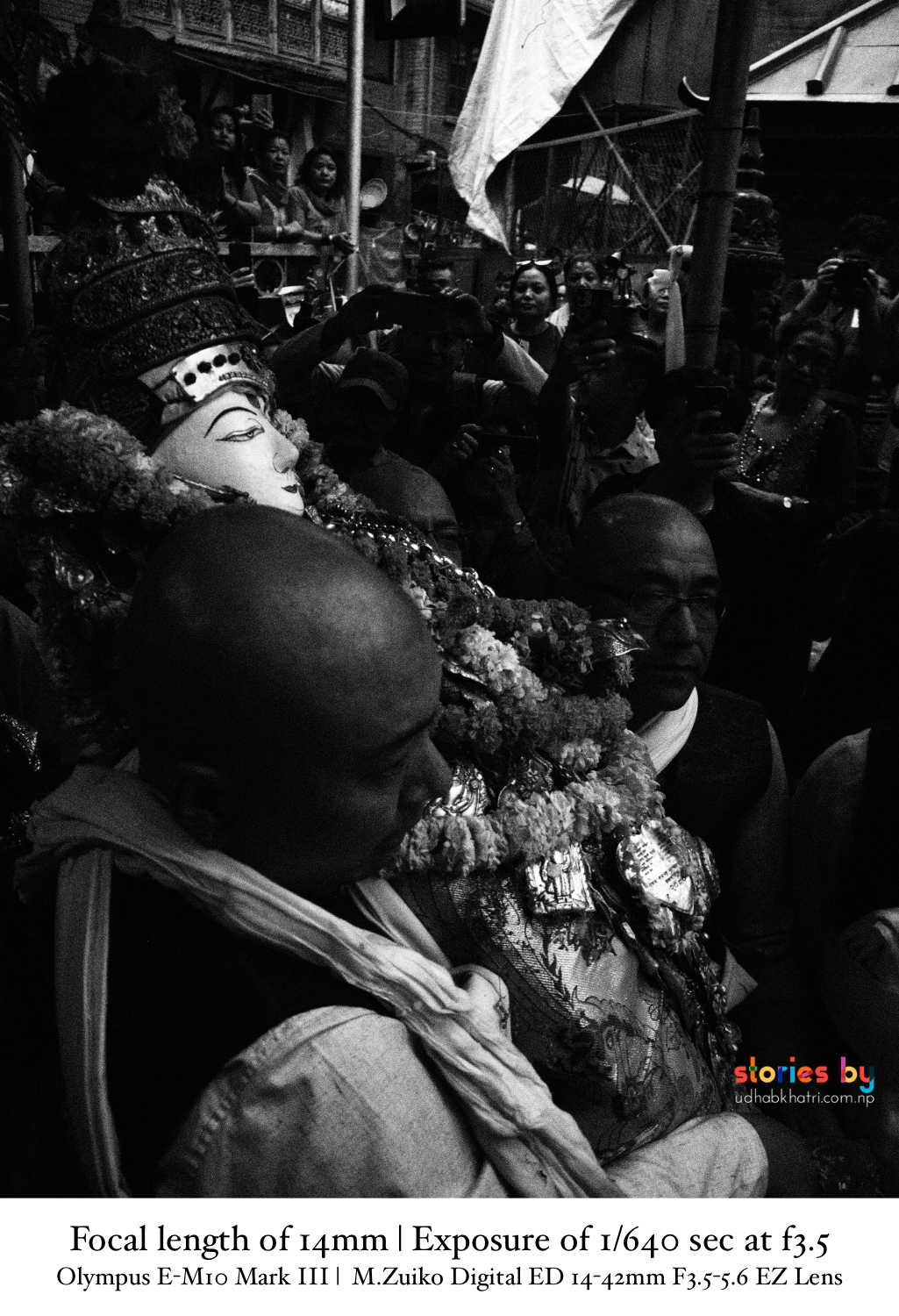
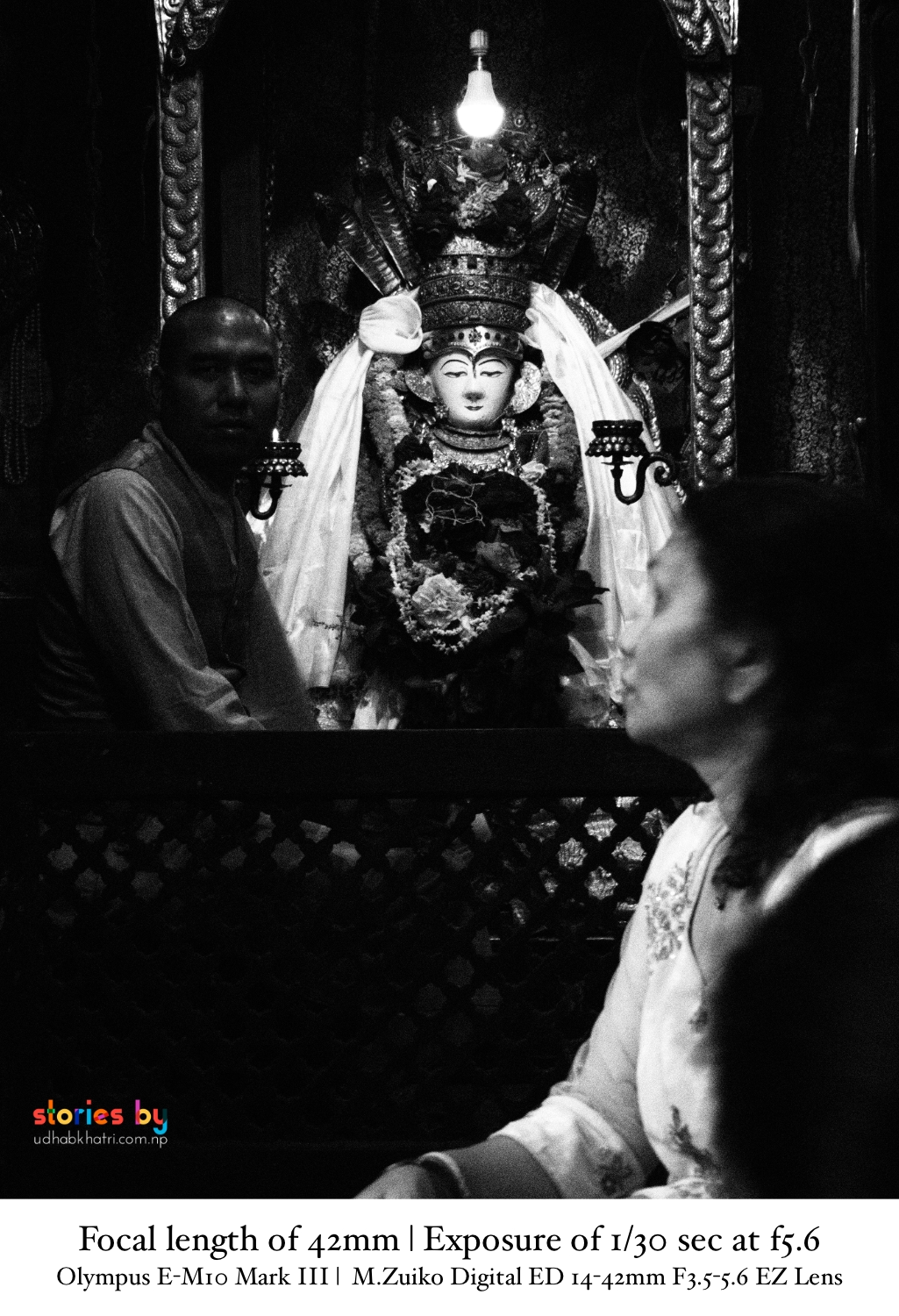
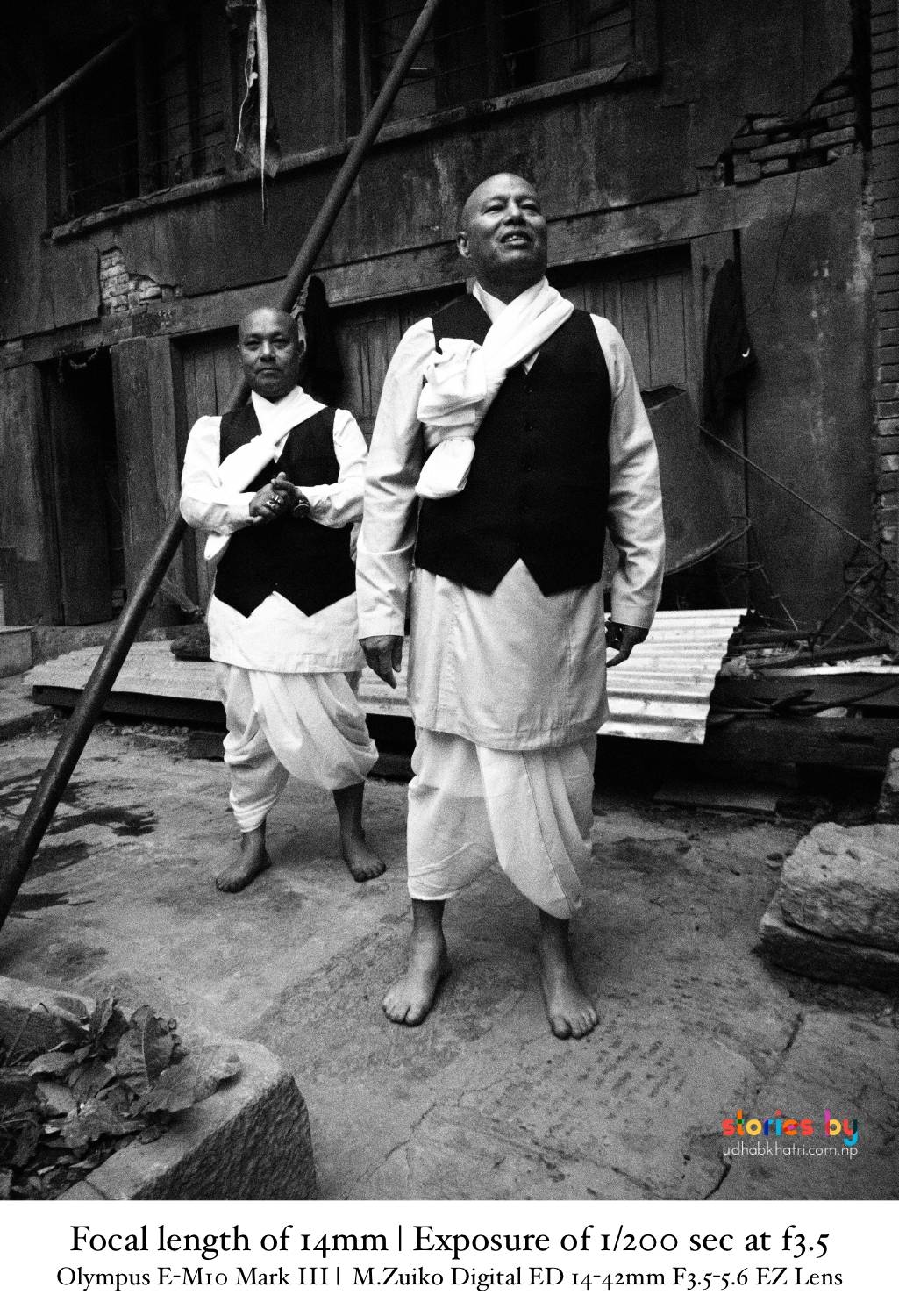
The white chariot of Janabaha Dyo winds through Kathmandu's oldest quarters. Starting near Rani Pokhari, the massive wooden structure is pulled by crowds through Ason and Basantapur before reaching Lagan. The chariot stops for at least a day at each major square, giving you multiple chances to frame it against different backdrops. The pull itself is raw, chaotic, and deeply photogenic. If the chariot enters Basantapur Durbar Square, a heritage ticket is required.
A wide‑angle zoom (16‑35mm) lets you capture the scale of the chariot in the narrow lanes. Get low and shoot upward to emphasise the towering spire against the old Newar architecture. A standard zoom (24‑70mm) covers the crowd dynamics. Check the festival calendar daily — the chariot's location changes, and each stop offers a completely different visual context.
 Photo
Photo
 Photo
Photo
 Photo
Photo
 Photo
Photo
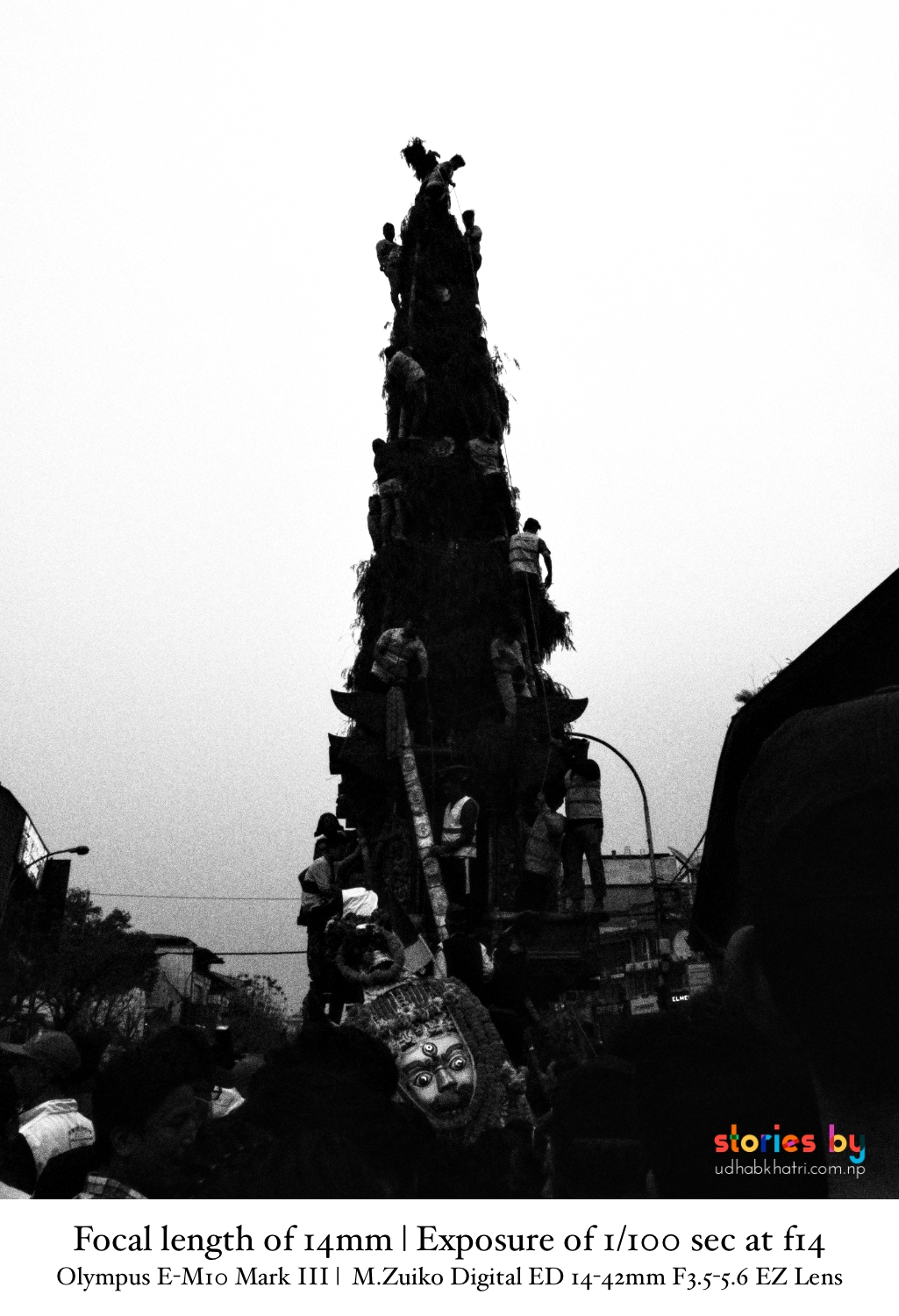
Following the white chariot through the heart of old Kathmandu.
Biska Jatra & Sindoor Jatra
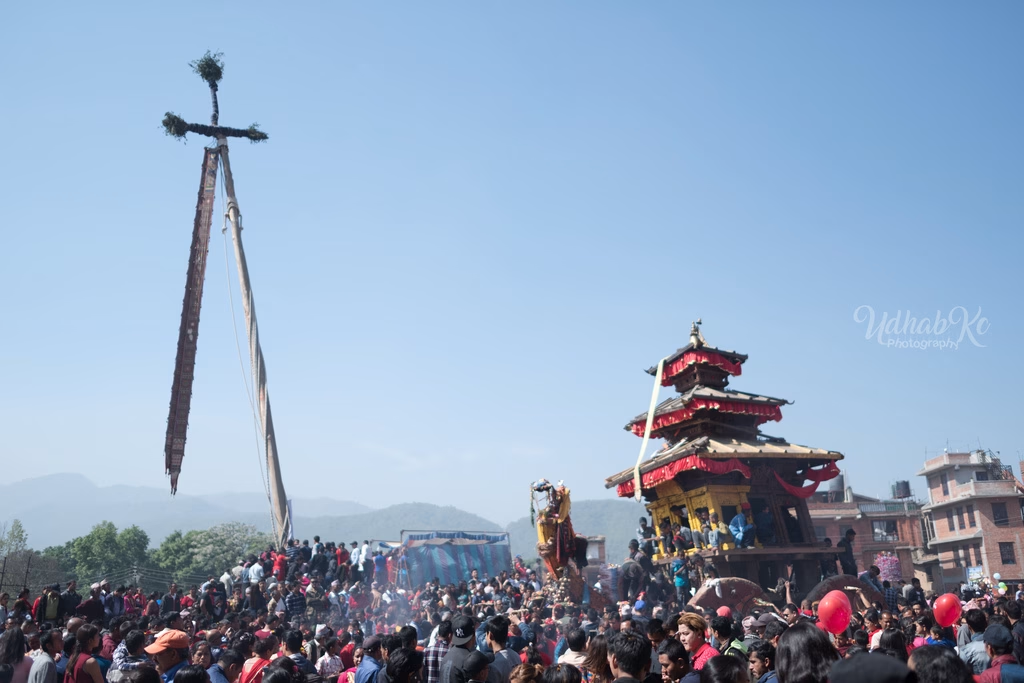 Photo — Biska / Sindoor Jatra
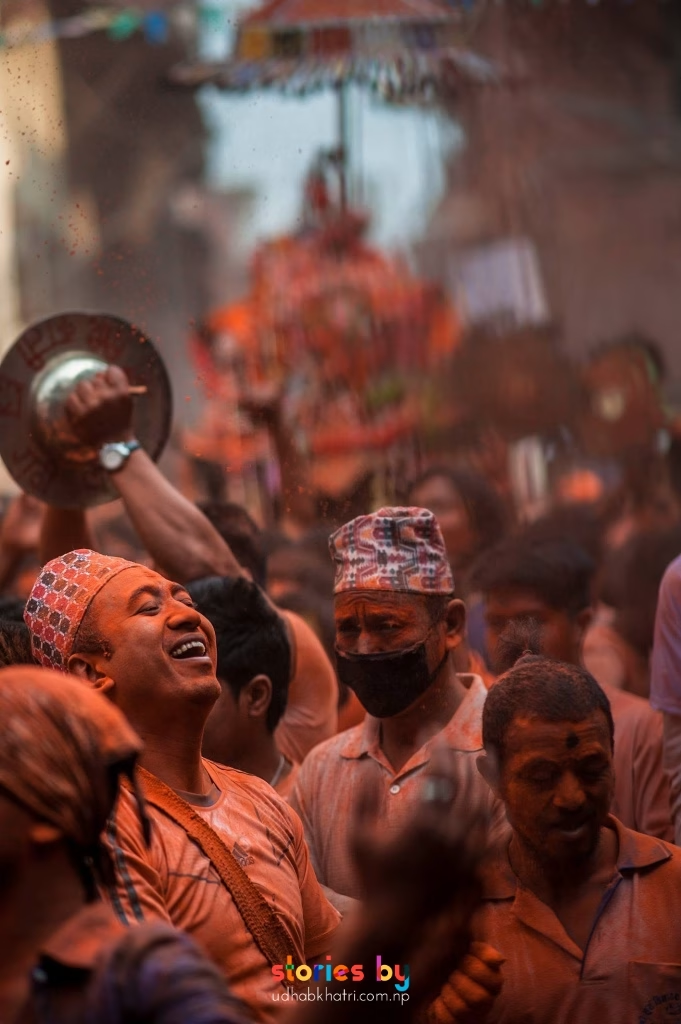
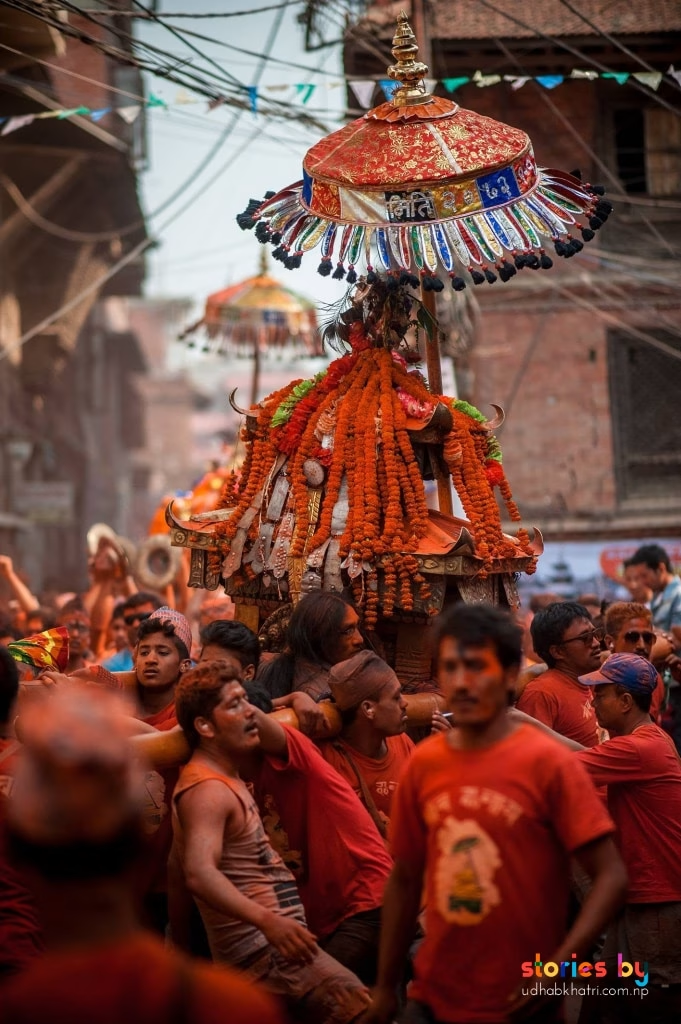
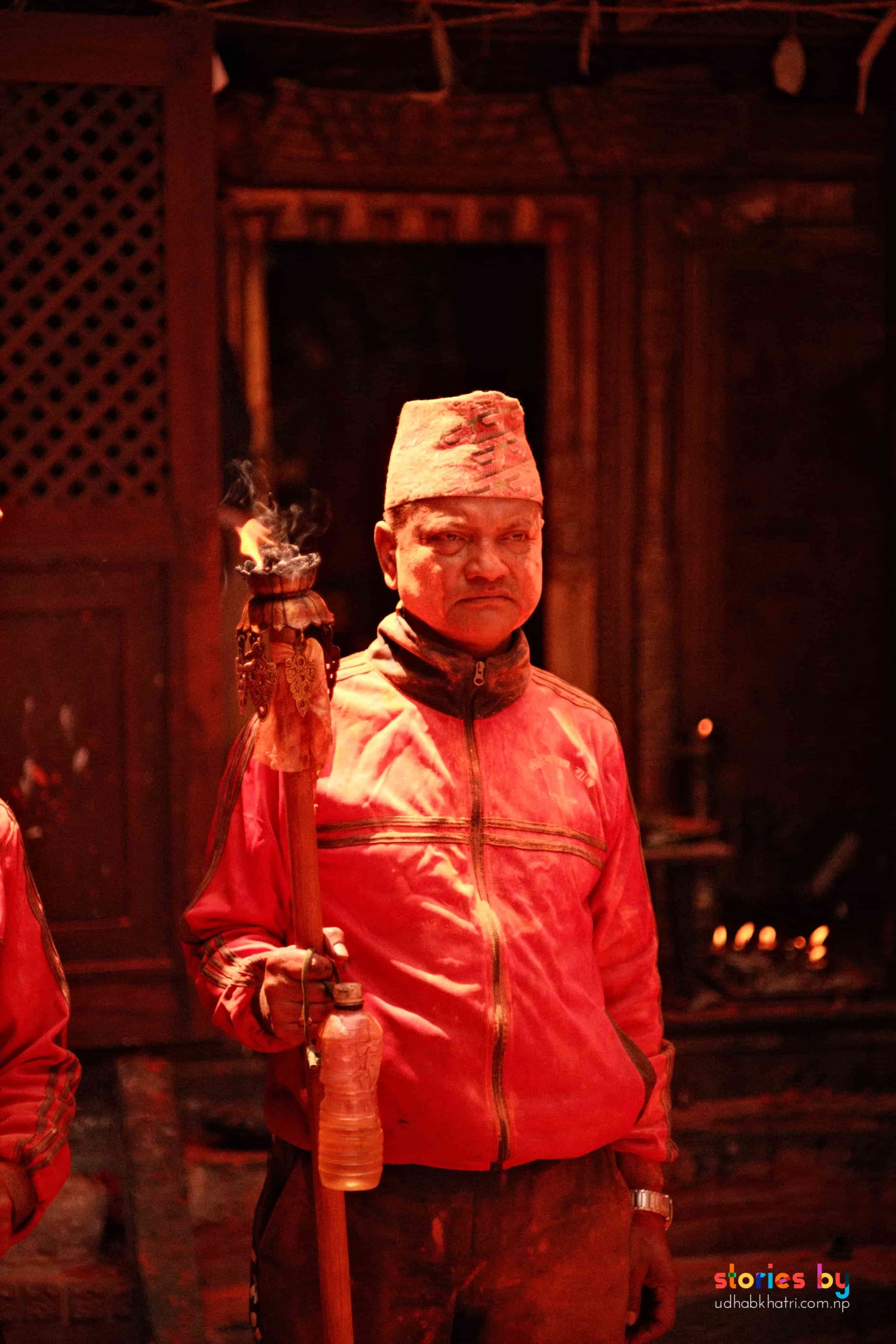
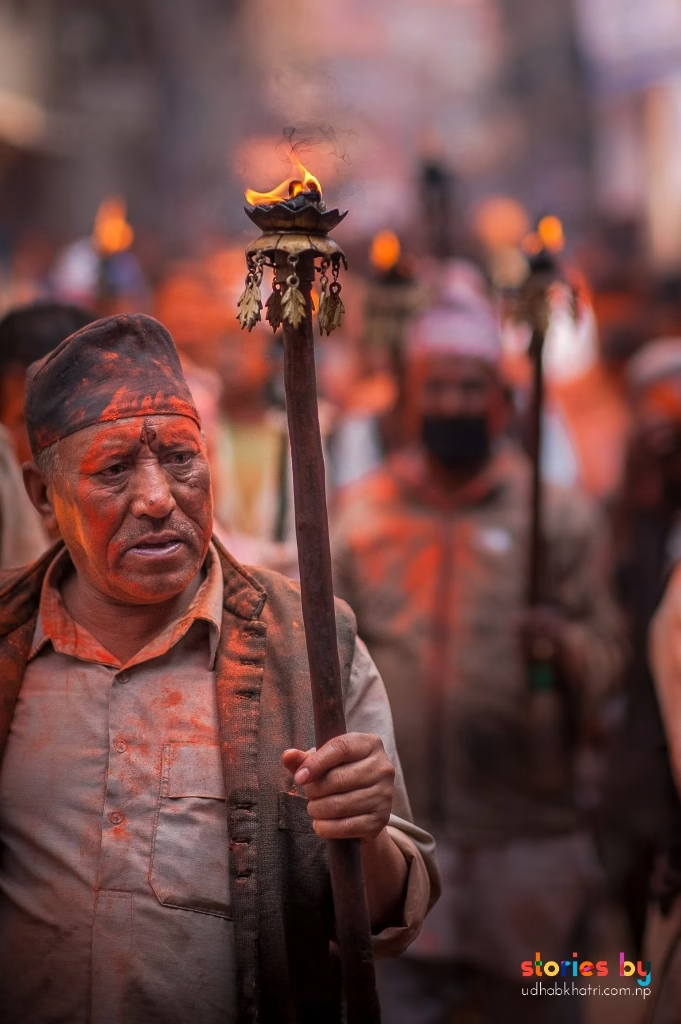
Two separate festivals, one explosive week. In Bhaktapur, the Biska Jatra sees a massive chariot pulled in a tug‑of‑war between the city's east and west, while a towering ceremonial pole is erected and later felled. A day later in Thimi, Sindoor Jatra erupts: devotees carry palanquins and hurl clouds of orange vermillion powder into the air. The colour is so thick it paints everything — people, streets, and your camera gear if you're not careful. Bhaktapur requires its heritage ticket; carry it at all times.
Protect your camera completely — plastic rain covers and UV filters are mandatory. Use shutter speeds of 1/1000s or faster to freeze the flying powder and the expressions of ecstasy. A 24‑70mm zoom gives you flexibility in the crowd; switch to a wide‑angle for the full chaos. Stay alert — the crowds are dense and the energy is high.
 Photo
Photo
 Photo
Photo
 Photo
Photo
 Photo
Photo
Vermillion clouds and wooden chariots: the rawest days in the valley.
Bungadyo (Rato Machhindranath Jatra)
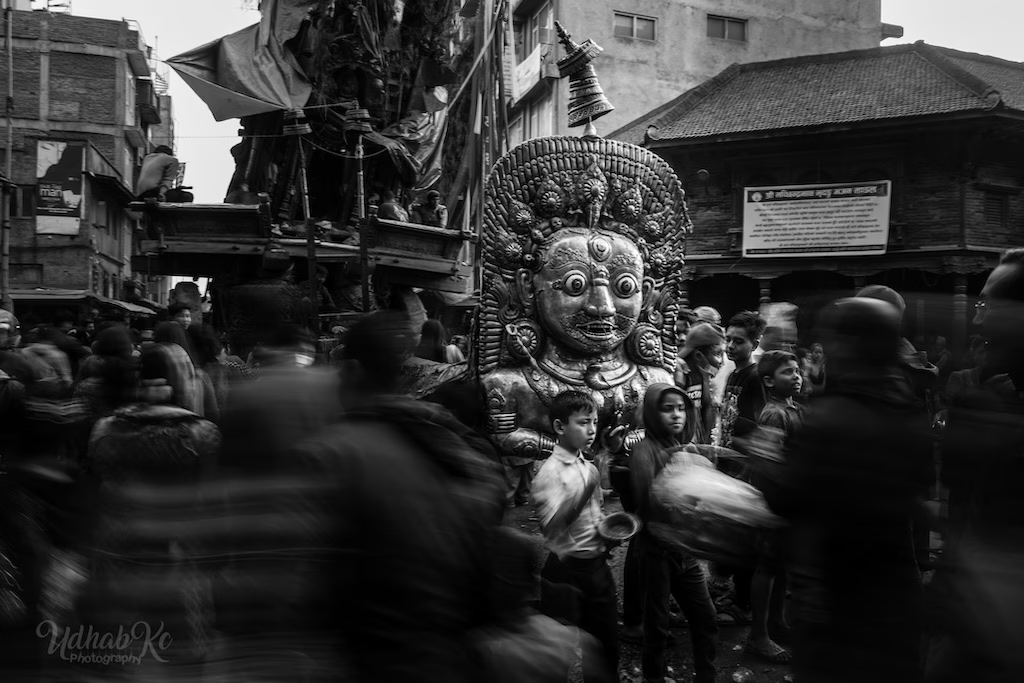 Photo — Bungadyo
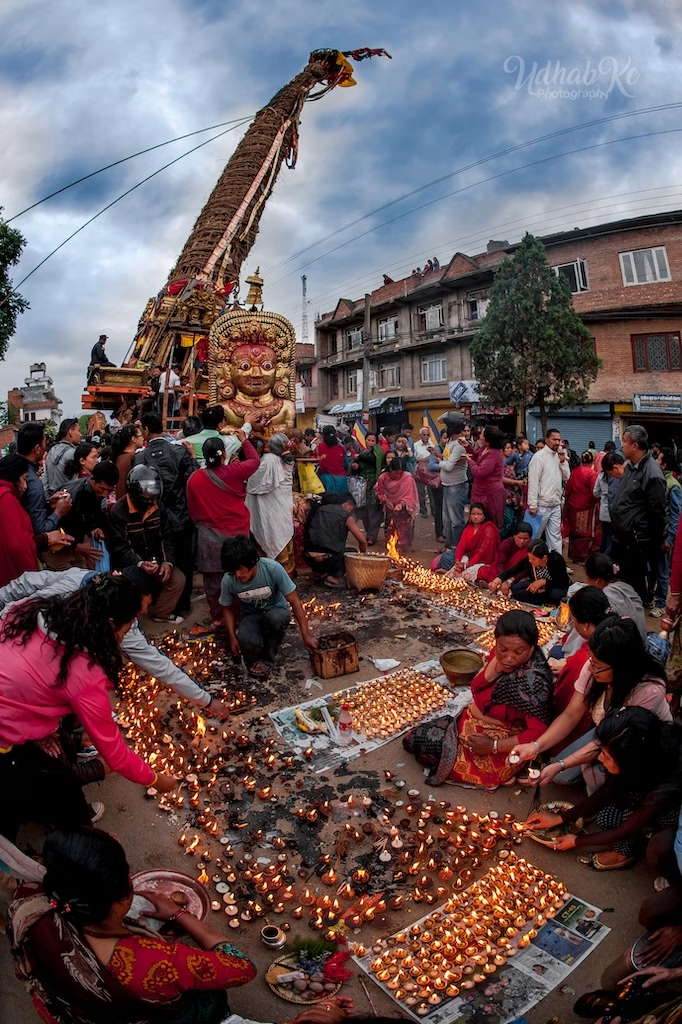
The longest and most elaborate chariot festival in the valley. A towering red chariot — rebuilt each year — is pulled through the streets of Patan over several weeks. It halts at designated locations for days at a time before continuing its journey, culminating in the Bhoto Jatra ceremony at Jawalakhel. Because the chariot moves on specific days (check the local calendar), you can plan to catch the pull at different neighbourhoods, each with its own backdrop.
A 70‑200mm from a rooftop isolates the chariot against the red‑brick Patan skyline. During the pull, a 24‑70mm at ground level captures the straining ropes and the crowd's collective effort. The final Bhoto Jatra event draws huge crowds — arrive at Jawalakhel by mid‑morning to secure an elevated position.
 Photo
Photo
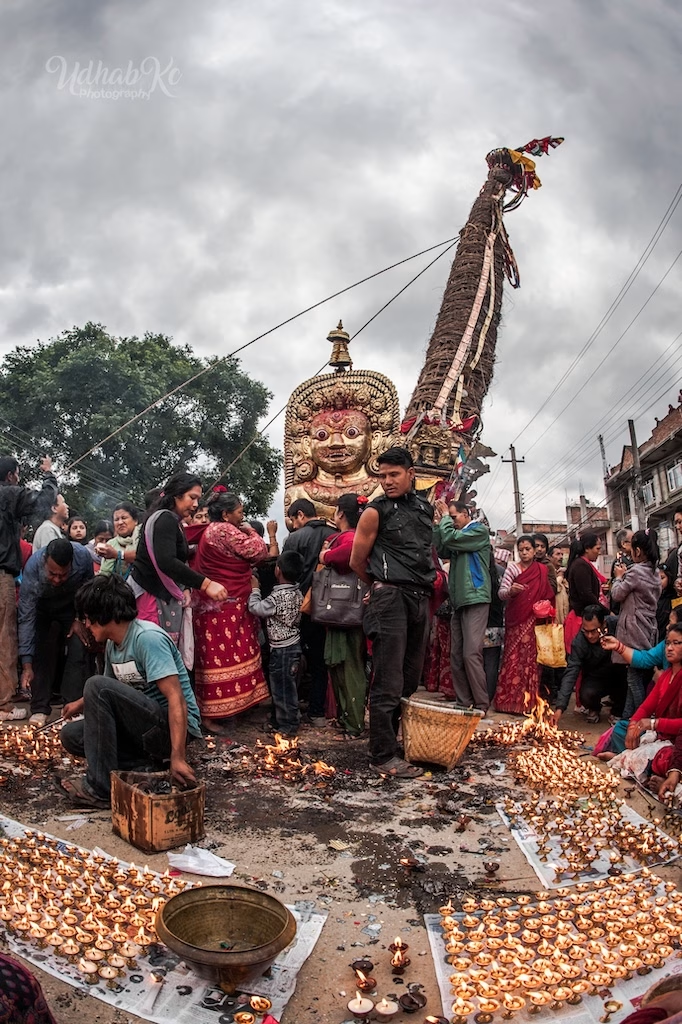 Photo
Photo
 Photo
Photo
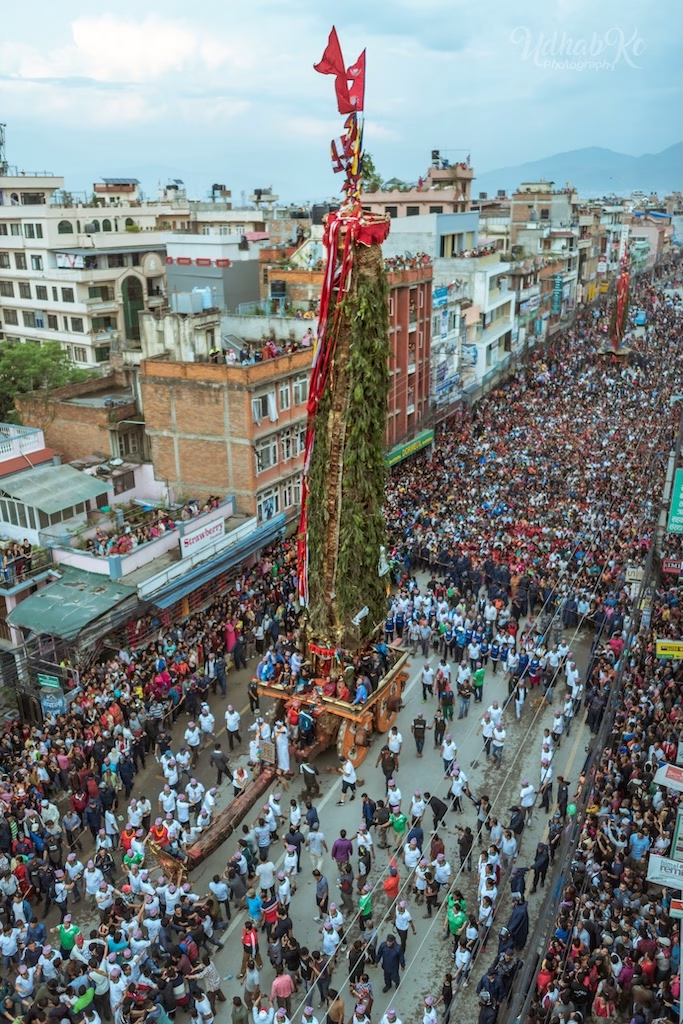 Photo
Photo
The chariot's slow journey through Patan's ancient squares.
Gathemunga (Gathamuga Chare)
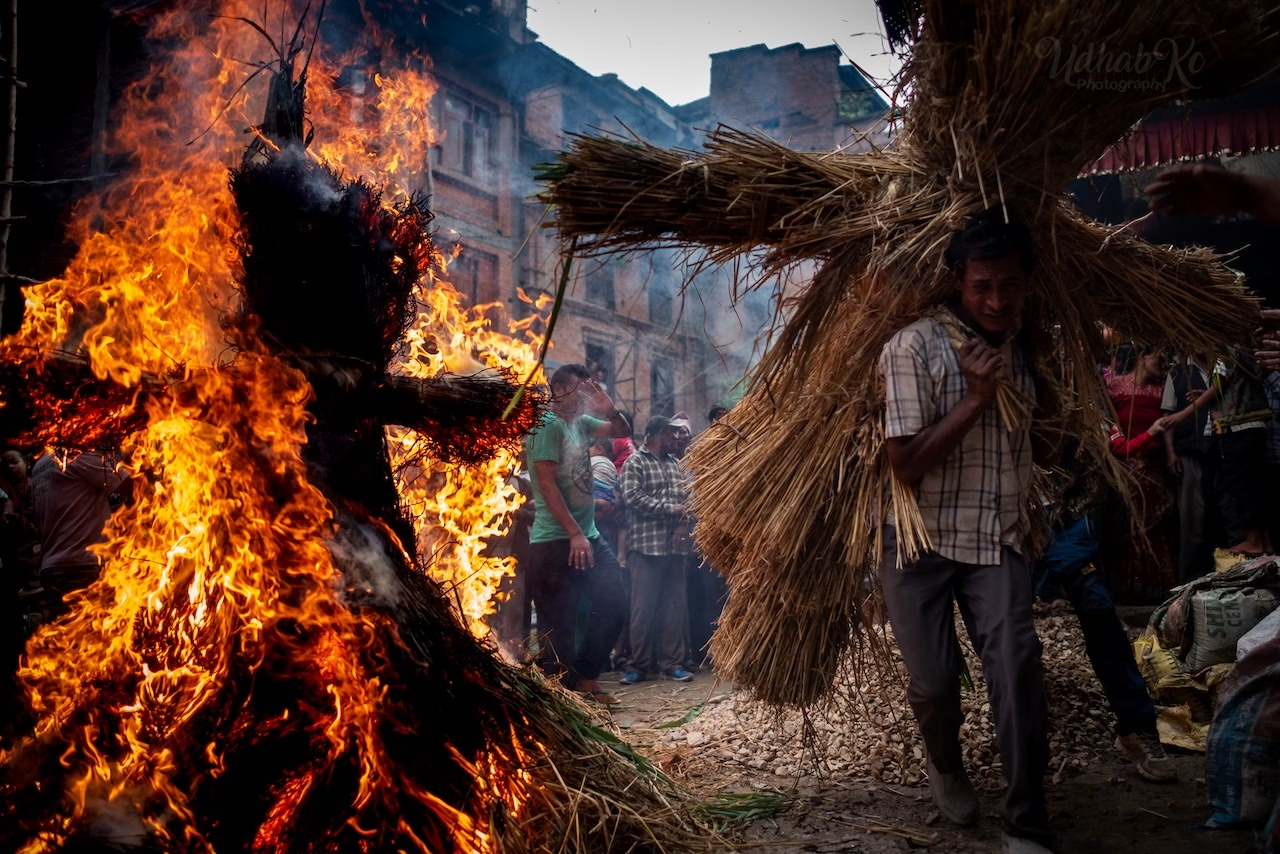 Photo — Gathemunga
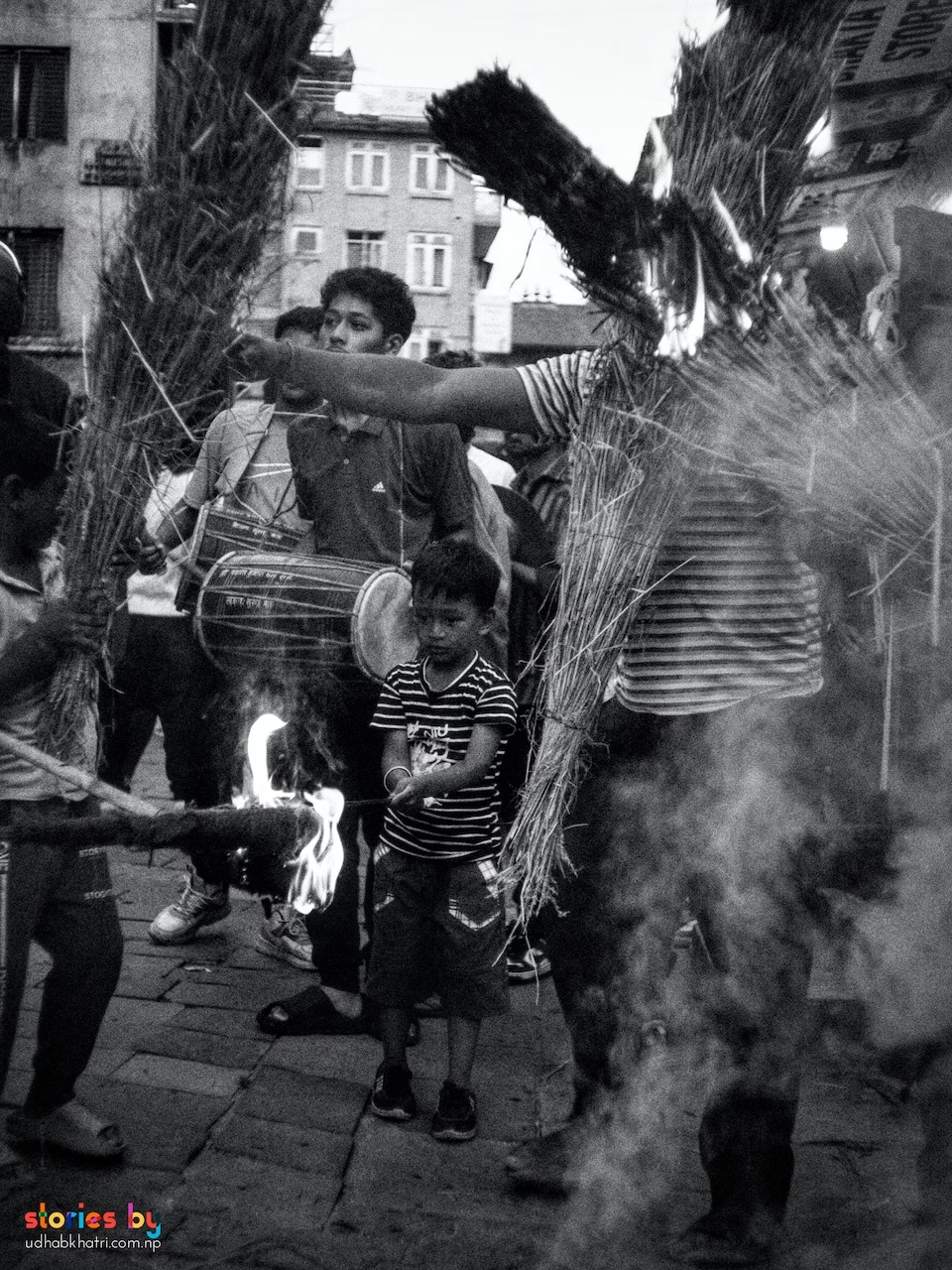
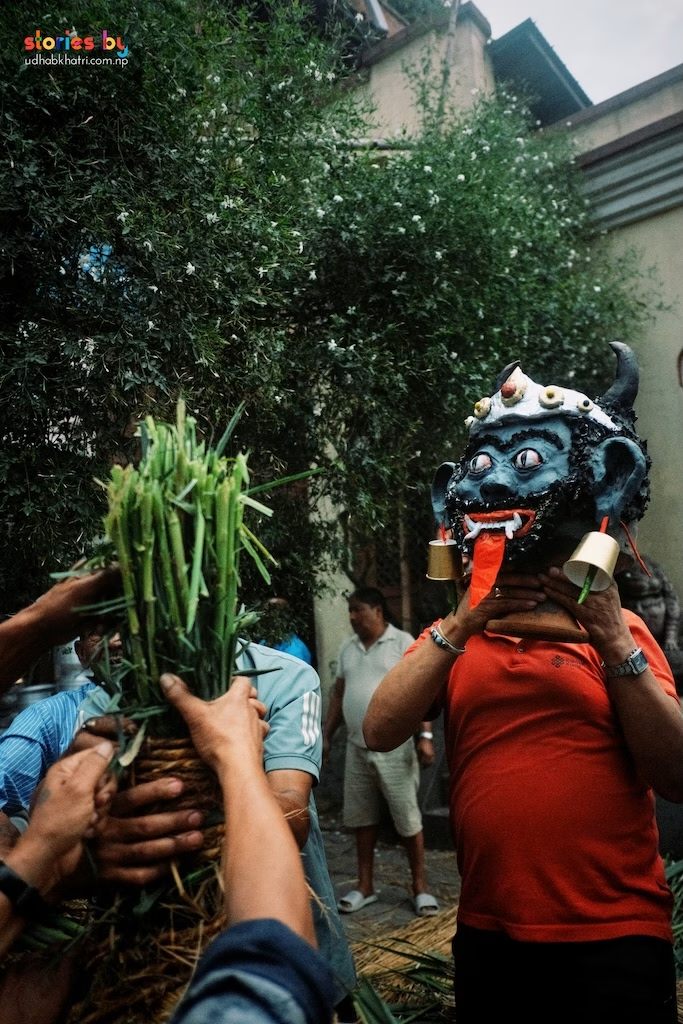
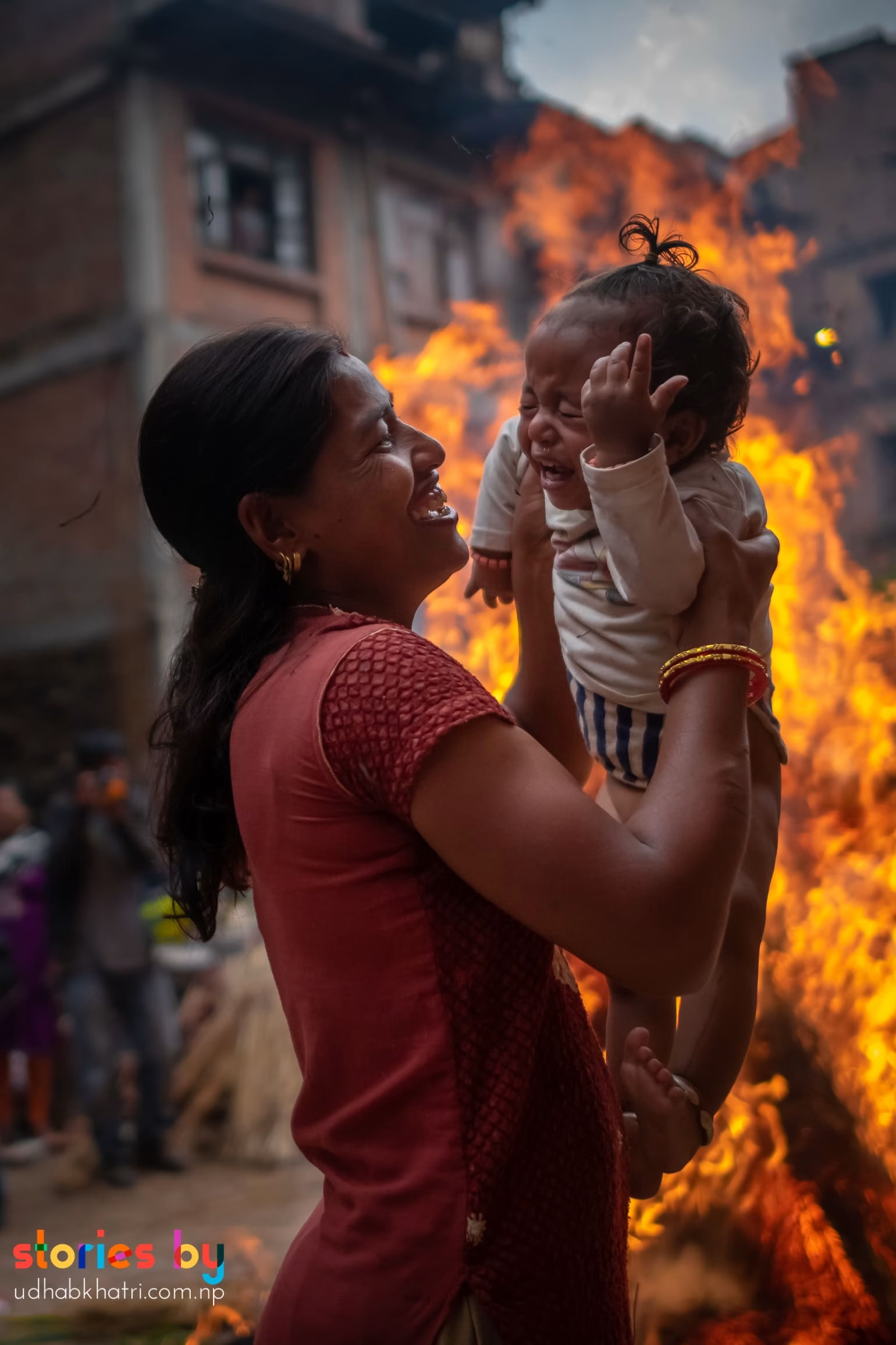
A dark, fiery ritual to drive away demons. Young men build massive straw effigies and drag them through the medieval lanes of Bhaktapur, finally setting them alight at crossroads after sunset. The light from the burning hay against the brick facades creates dramatic, otherworldly portraits. The action starts near Dattatreya Square and moves toward Nyatapola as the night deepens. The old town requires the standard Bhaktapur ticket.
This is a fast‑lens festival. A 35mm or 50mm f/1.4–f/1.8 will let you work with the firelight without pushing ISO too high. Expose for the flames on the subject's face, and let the deep shadows fall off naturally. Move with the effigy carriers; the best frames come when the fire is at its peak, just before the effigy collapses.
 Photo
Photo
 Photo
Photo
 Photo
Photo
 Photo
Photo
Burning demons in the backstreets of Bhaktapur.
Krishna Janmashtami
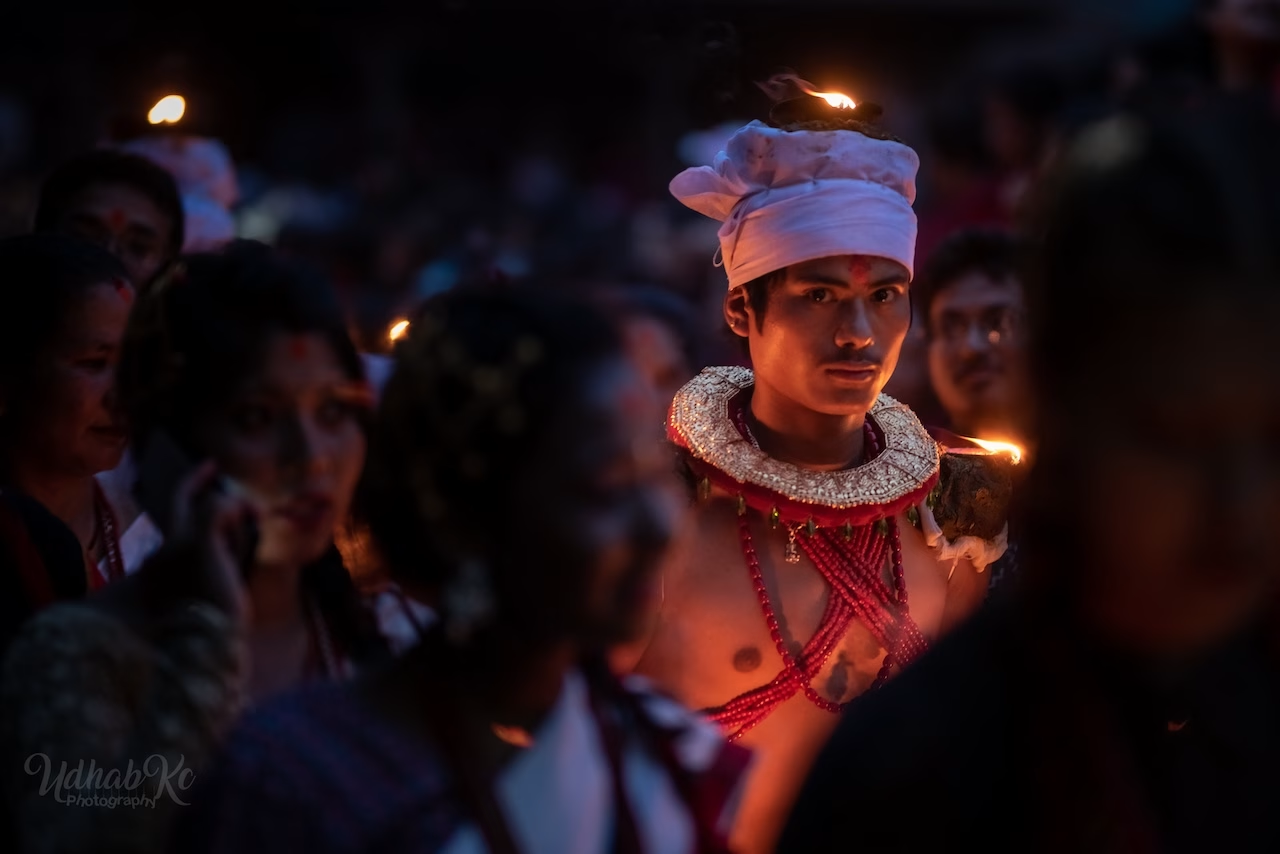 Photo — Krishna Janmashtami
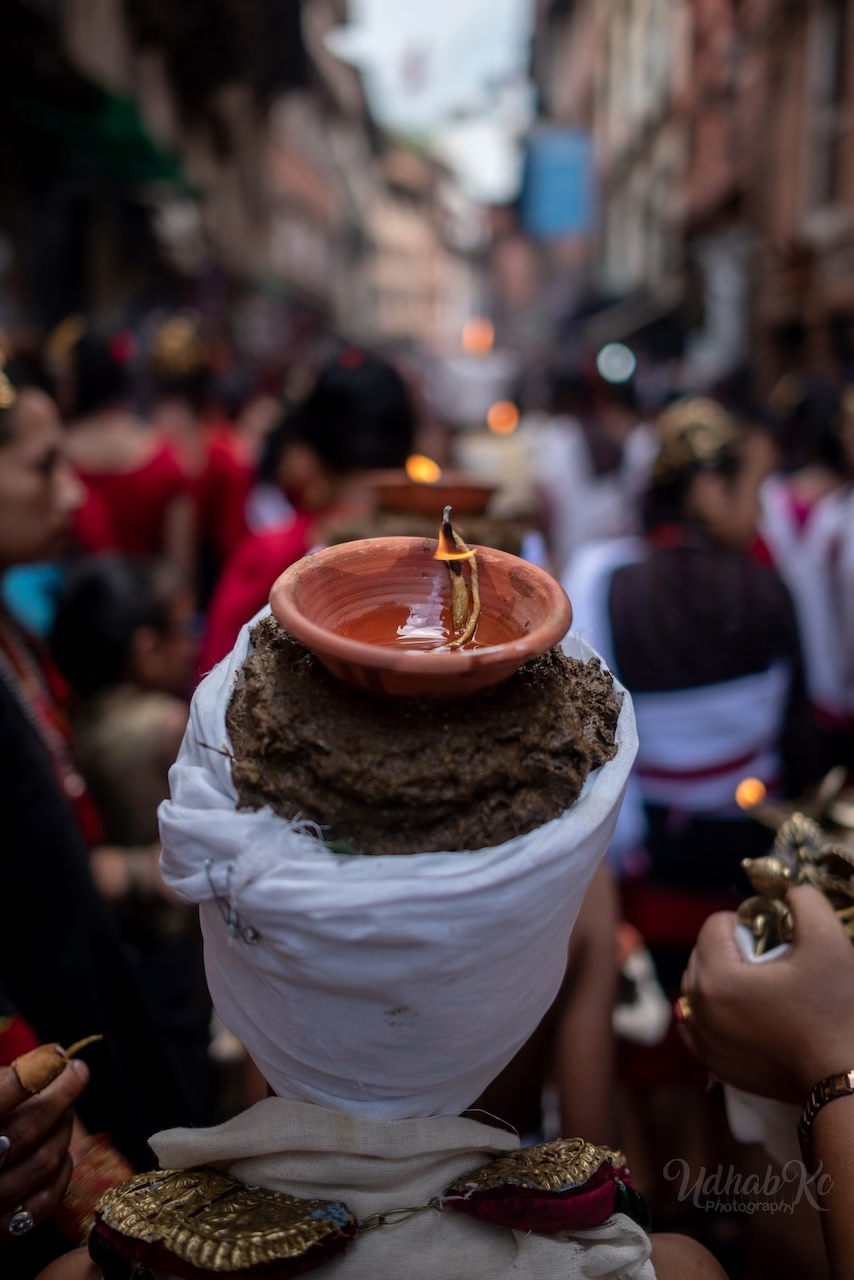
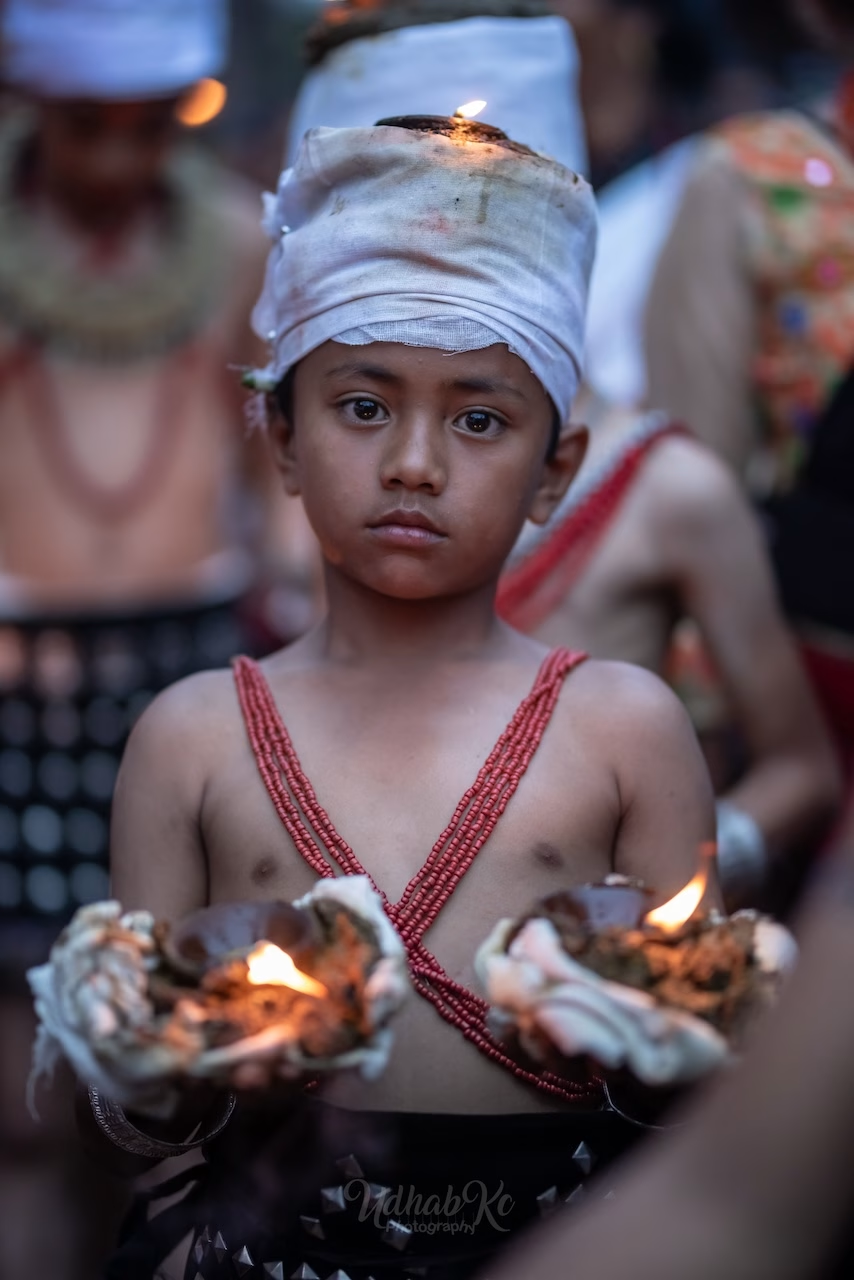
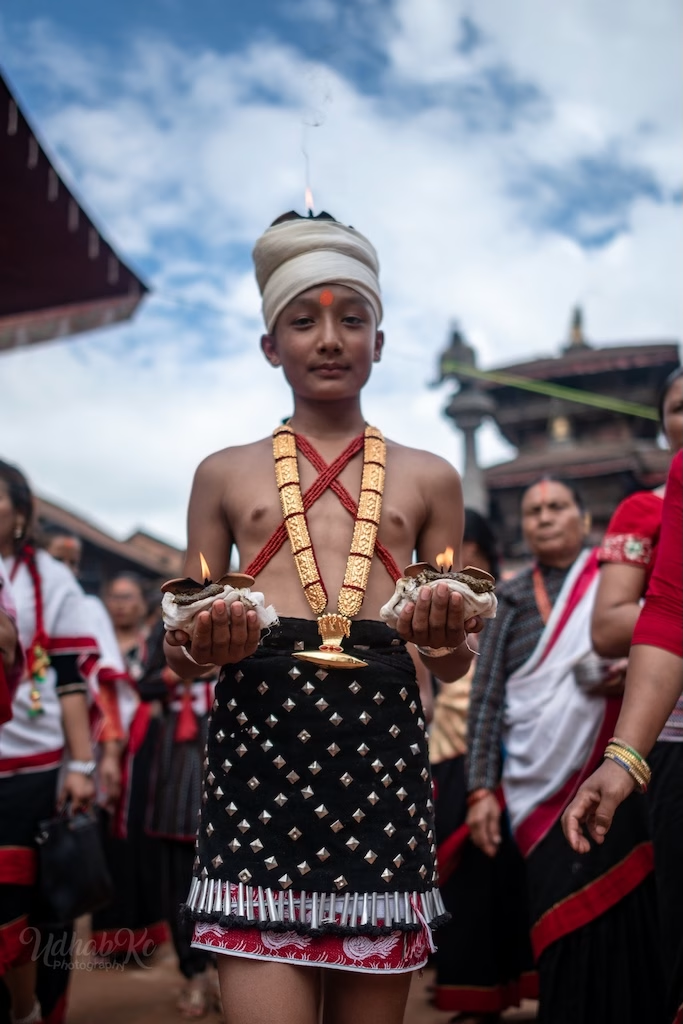
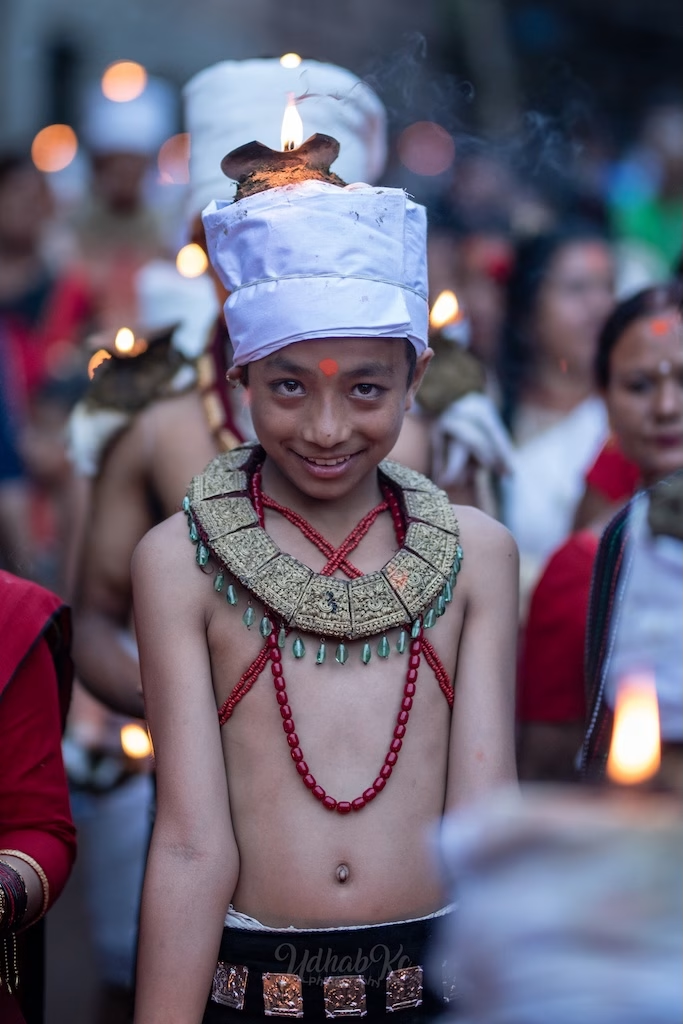
In the afternoon, boys aged 6 to 22 gather at the Wakupati Narayan Temple. They are dressed in elaborate jewellery and silk, and they carry lit ghee lamps on their shoulders and heads. As dusk falls, the procession winds through the neighbourhood — a long, flickering line of flames. It's an intimate, beautifully illuminated subject for detail shots (the ornaments, the faces) and wide environmental compositions.
A fast 50mm or 85mm prime isolates the oil lamps and the soft light on the young faces. For the wide shot of the entire procession snaking through the lane, a 24‑35mm lens captures the line of flames receding into the darkness. Arrive by 2–3 pm to photograph the preparation and portrait details before the walk begins.
 Photo
Photo
 Photo
Photo
 Photo
Photo
 Photo
Photo
Boys of Bhaktapur, carrying light through the night.
Gai Jatra
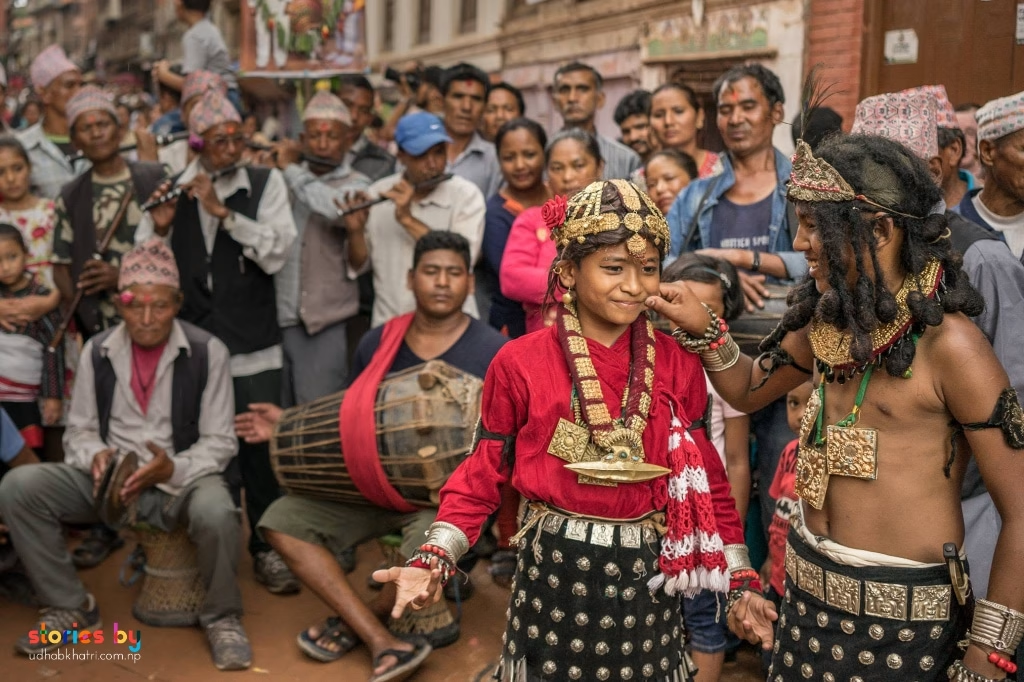 Photo — Gai Jatra
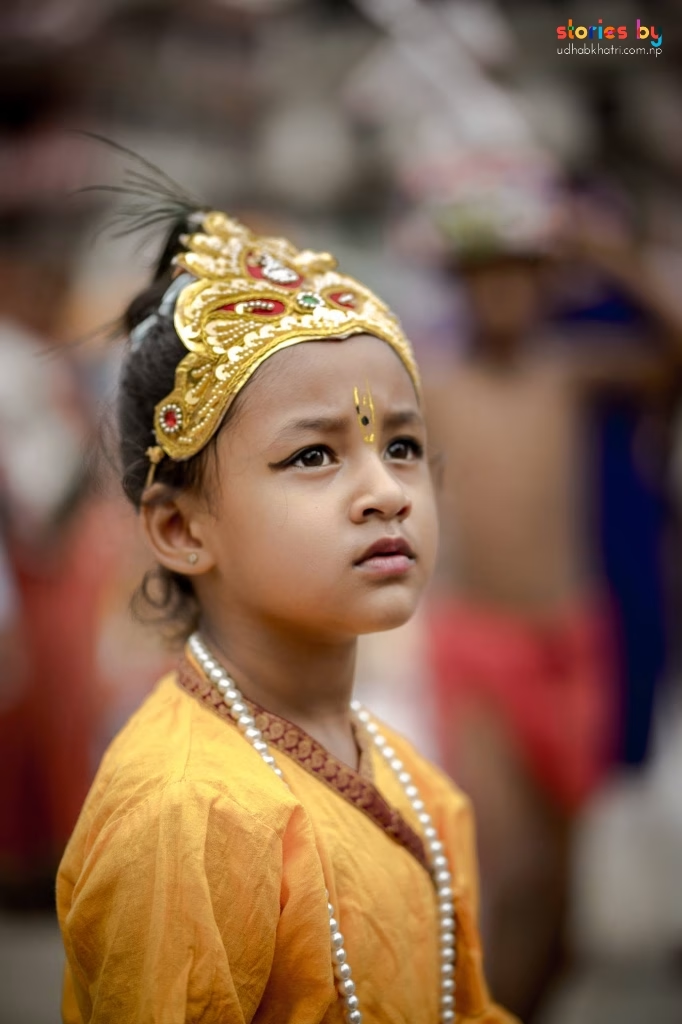
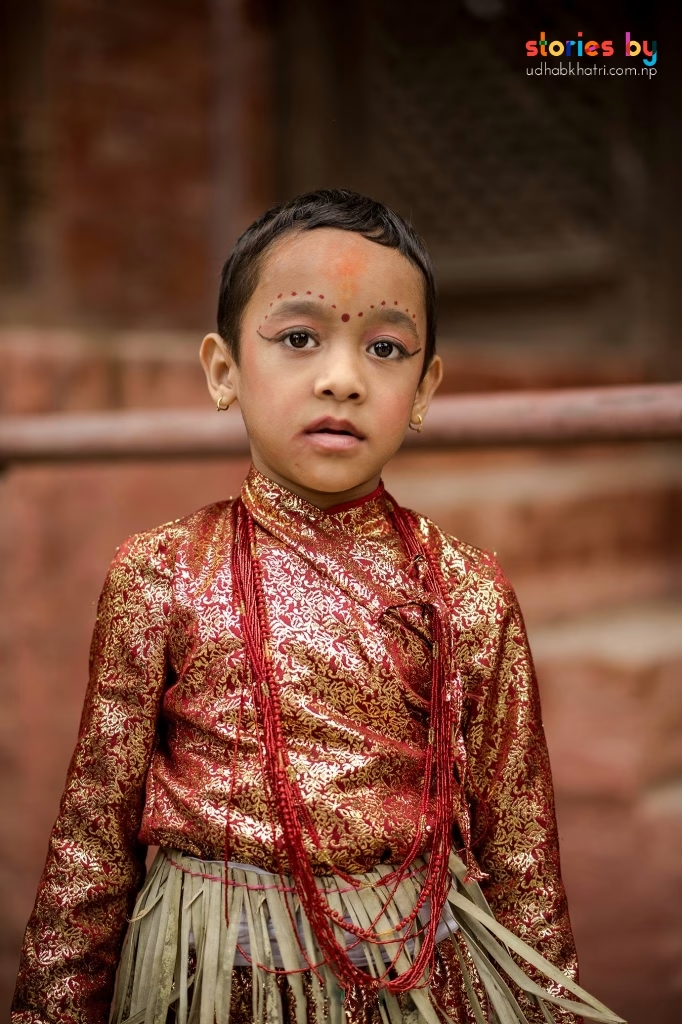
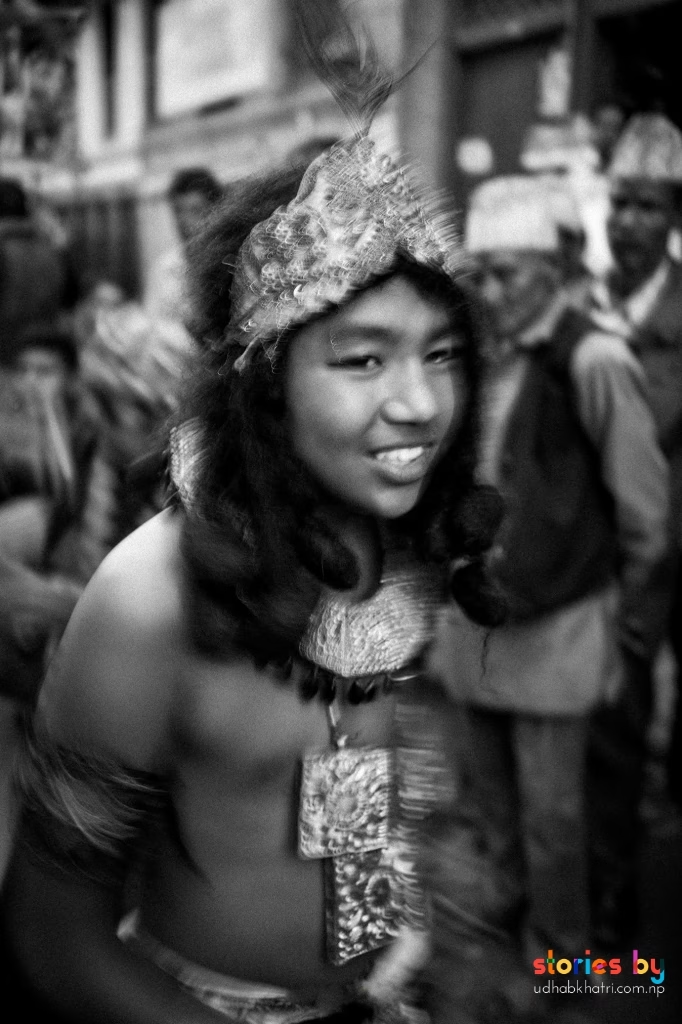
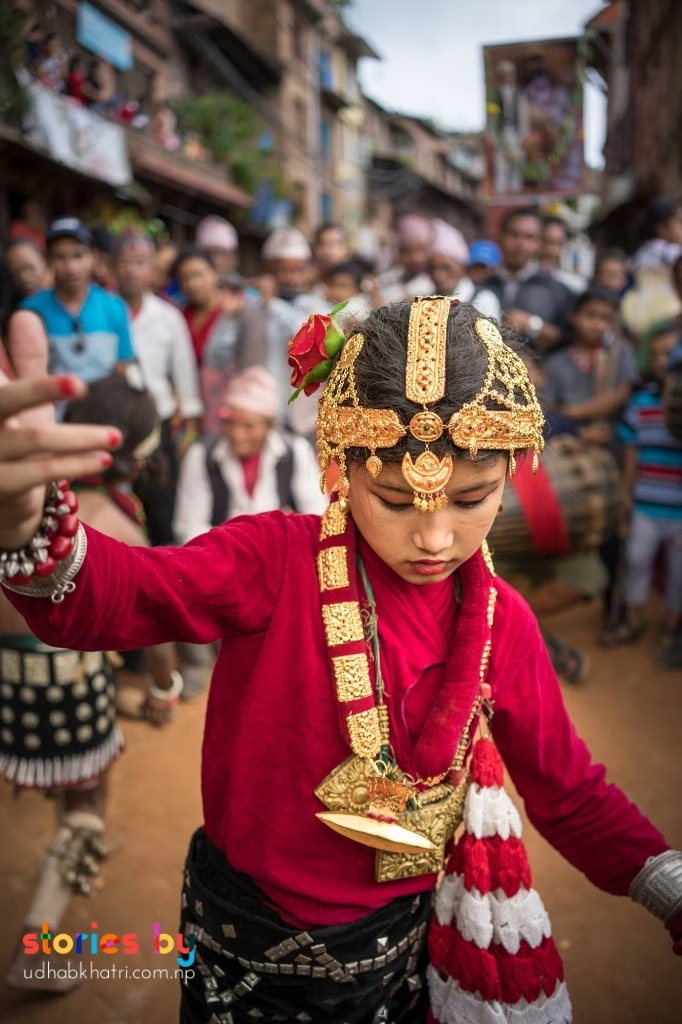
The festival of the cow blends grief with humour. Families who have lost a loved one dress their children as cows or in colourful costumes and parade them through the streets. In Bhaktapur, the traditional Ghinta Ghisi stick dance and Krishna‑Radha performances run from late morning to evening. Kathmandu sees a vibrant LGBTQ+ parade in the afternoon, and Kirtipur is known for its elaborate fancy‑dress and face paint.
In Bhaktapur, the stick dance is fast and rhythmic — use a 24‑70mm at 1/500s or faster to freeze the action, or slow the shutter to 1/30s for motion blur in the dancers' limbs while keeping faces sharp. For the costumed children, a 50mm or 85mm at eye level yields intimate, solemn portraits. Kirtipur's makeup and masks are best captured with a 35mm lens for environmental portraits.
 Photo
Photo
 Photo
Photo
 Photo
Photo
 Photo
Photo
Cows, clowns, and colour: processing grief through celebration.
Indra Jatra
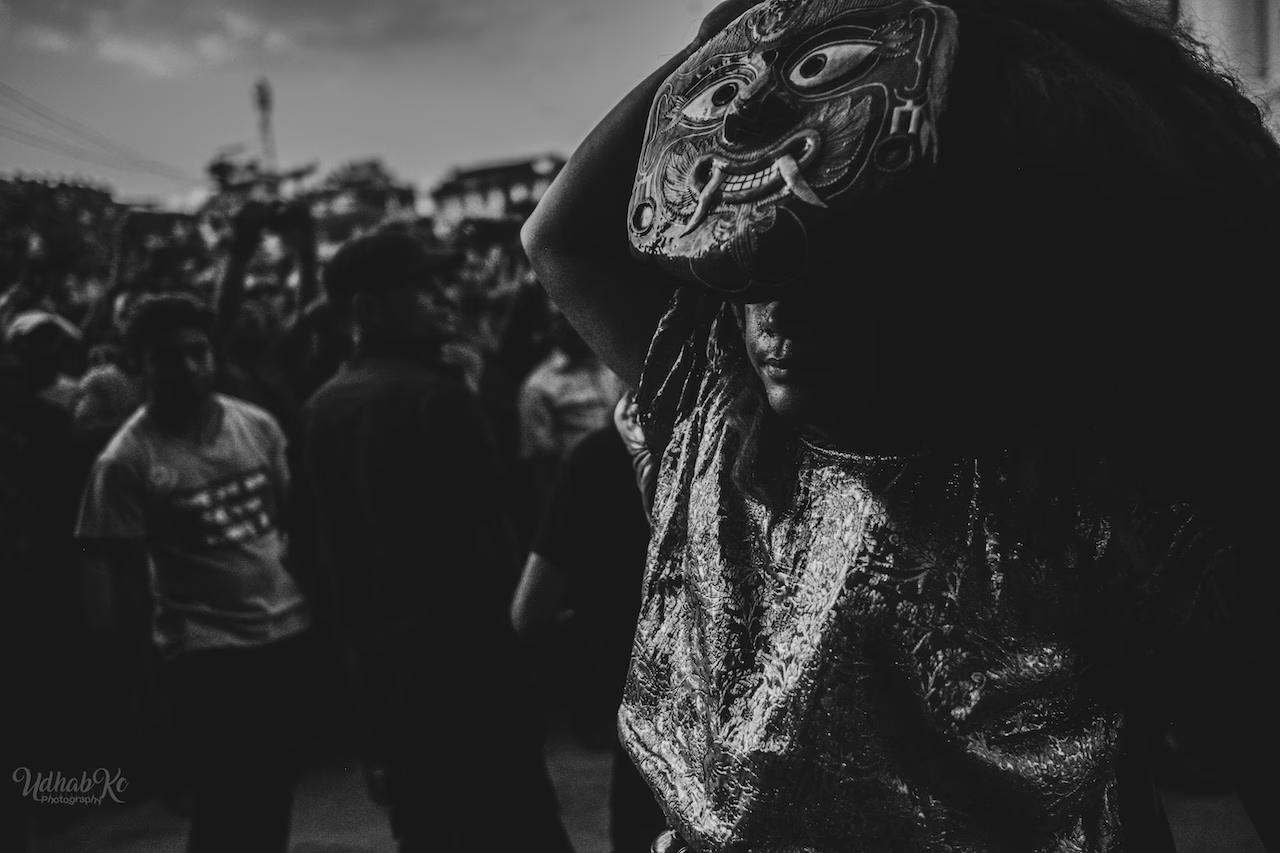 Photo — Indra Jatra
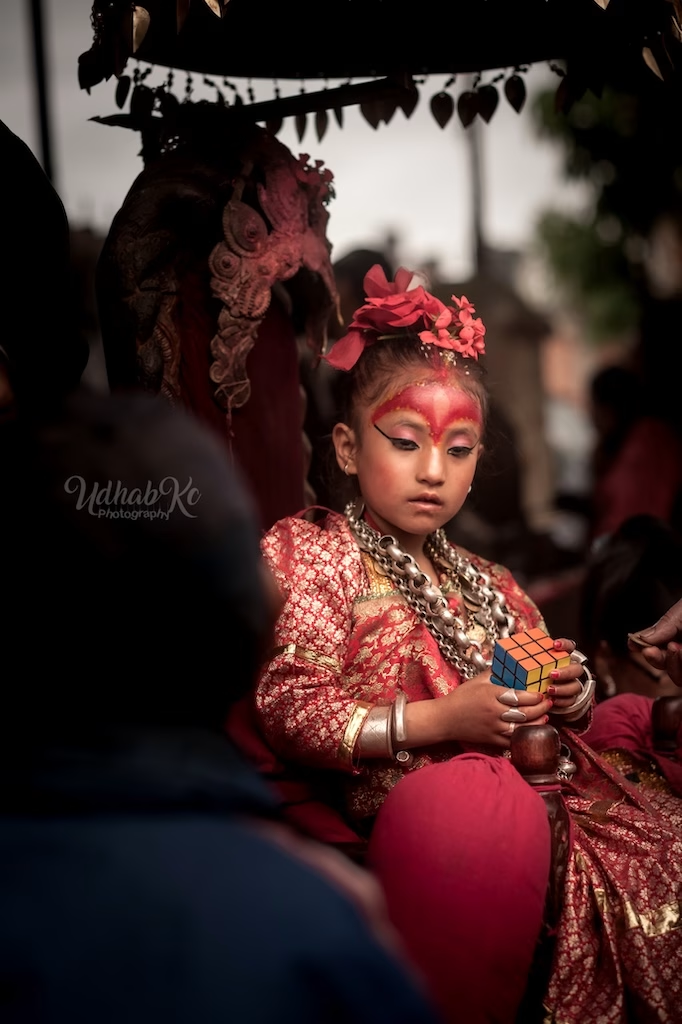
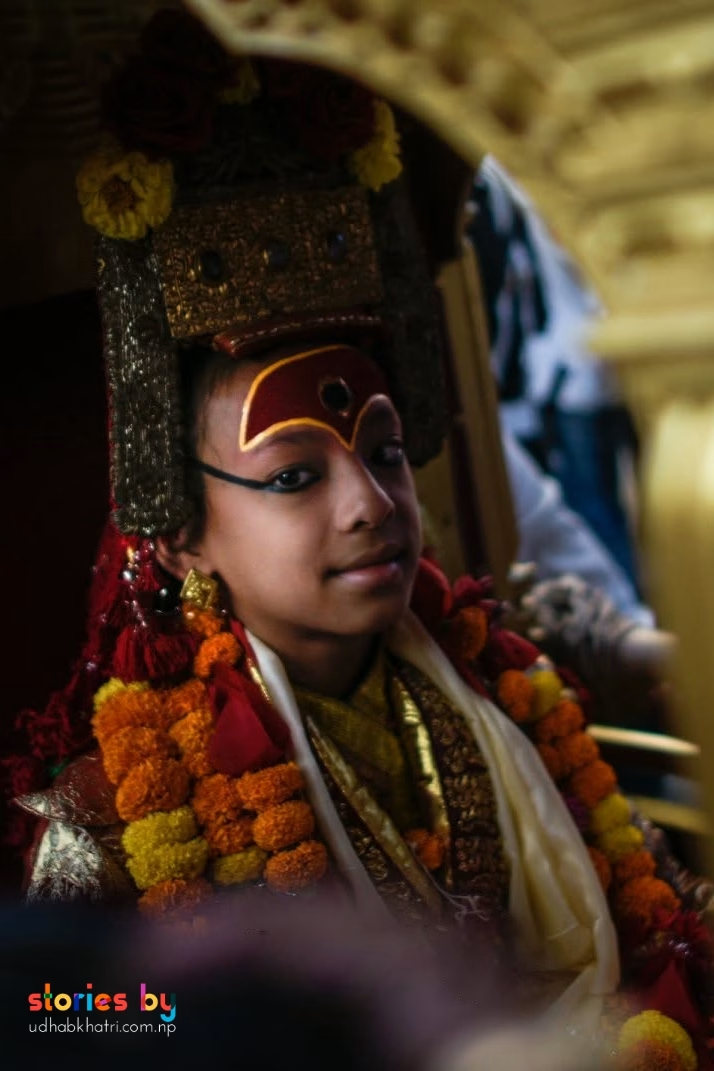
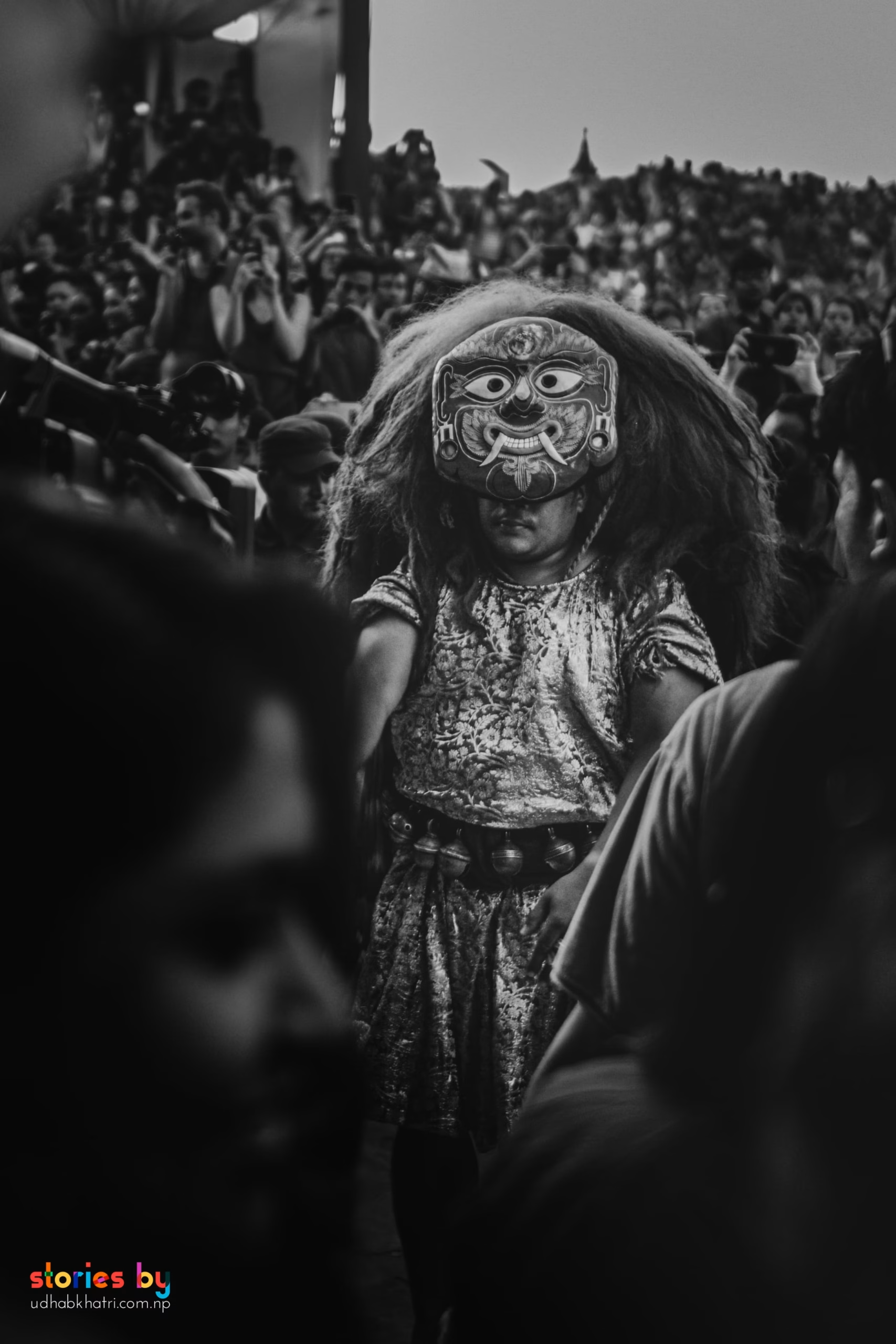
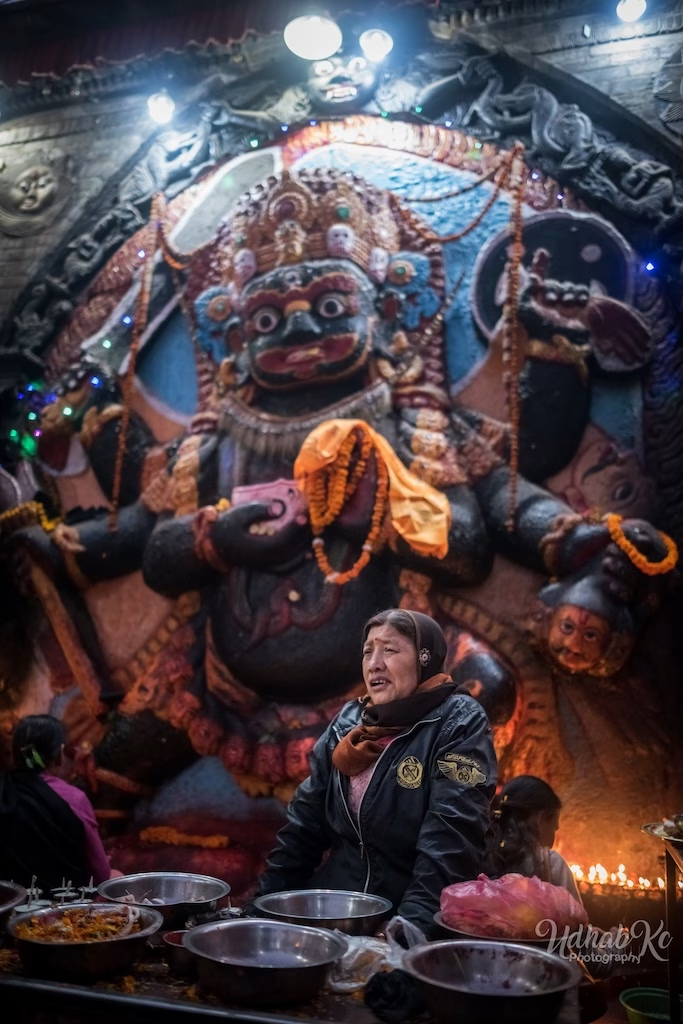
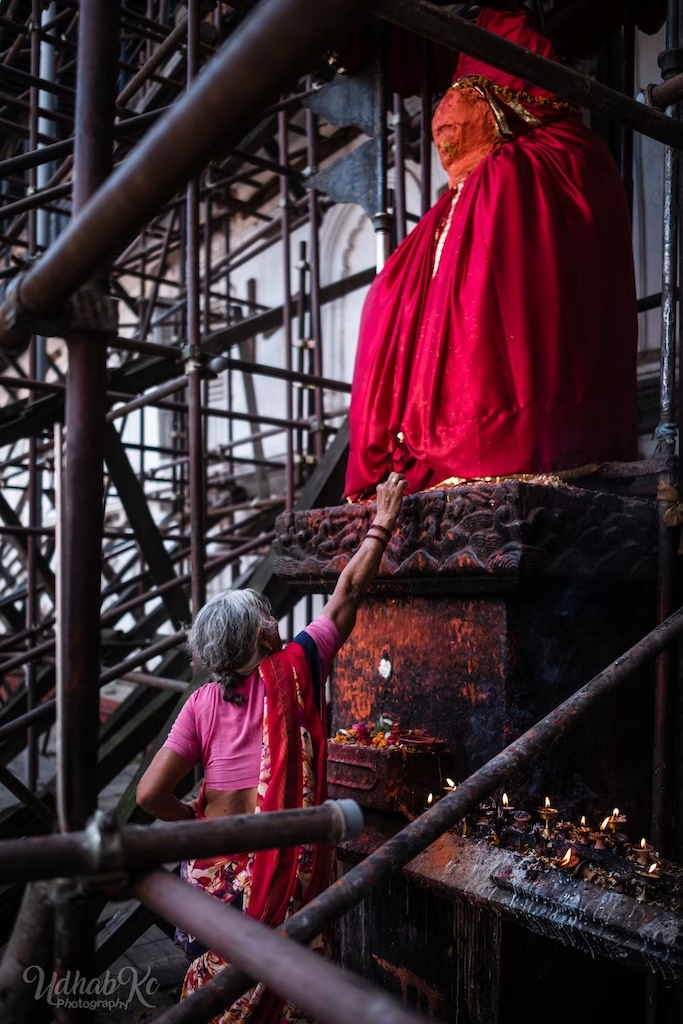
Eight days of pure urban theatre. The Kumari, Nepal's living goddess, is carried through the streets in a chariot. Masked Lakhey dancers whirl through the crowd, and the towering Yosin pole is raised and then lowered in a grand ceremony. The door of the Swet Bhairab shrine behind the Kaal Bhairab temple is opened, revealing a massive golden mask that spills beer into the hands of devotees. Every corner of the old city becomes a stage. A heritage ticket is required for the Durbar Square area.
A 24‑70mm zoom handles the chaotic street scenes. For the Lakhey dancers, a fast 50mm or 85mm isolates their masked faces against the blur of the crowd. Arrive at the Durbar Square before dawn on the opening day for the raising of the Yosin — the light and the sparse early crowds create a completely different atmosphere than the afternoon madness.
 Photo
Photo
 Photo
Photo
 Photo
Photo
 Photo
Photo
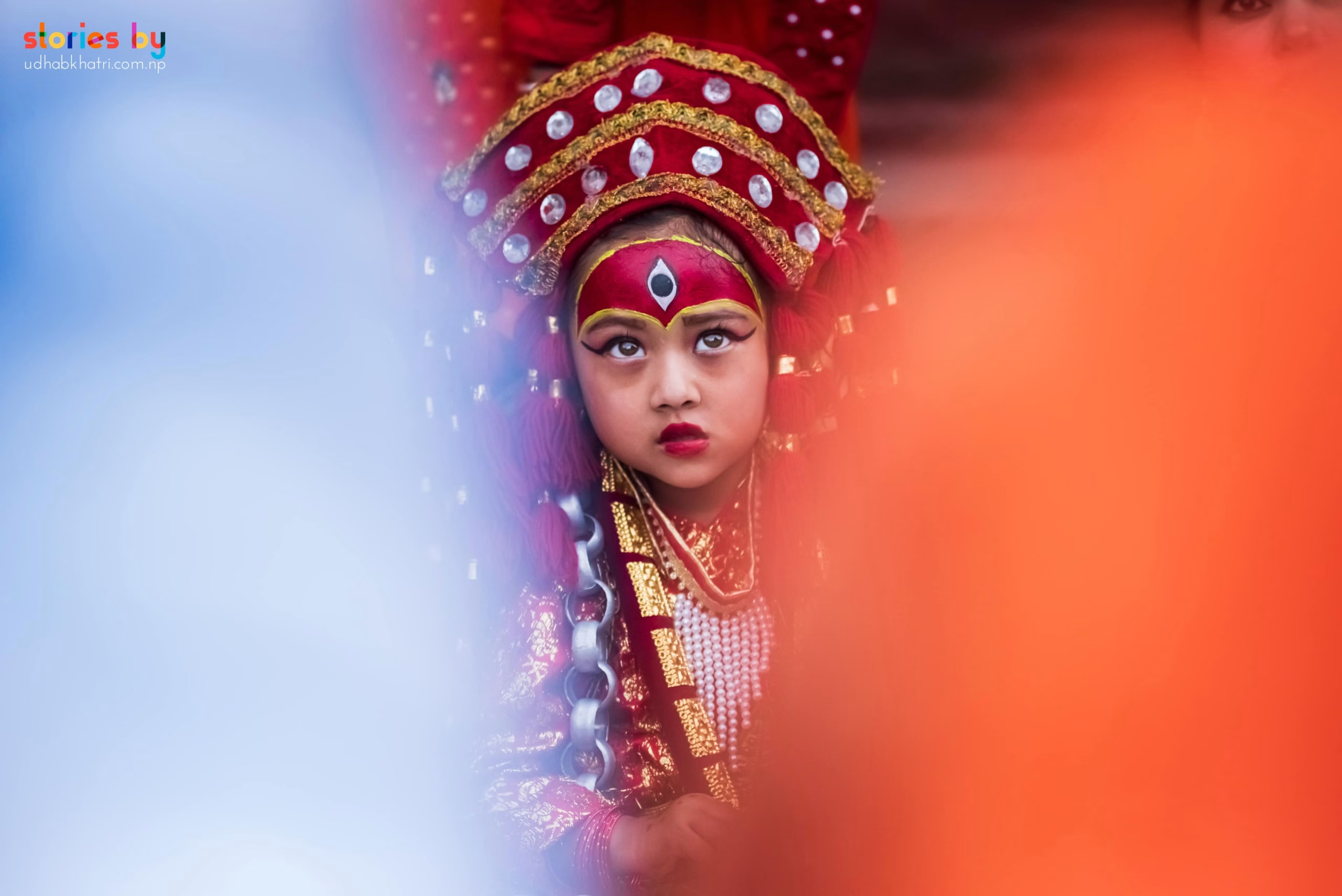
Eight days of masks, chariots, and the living goddess in the old city.
Sikali Jatra
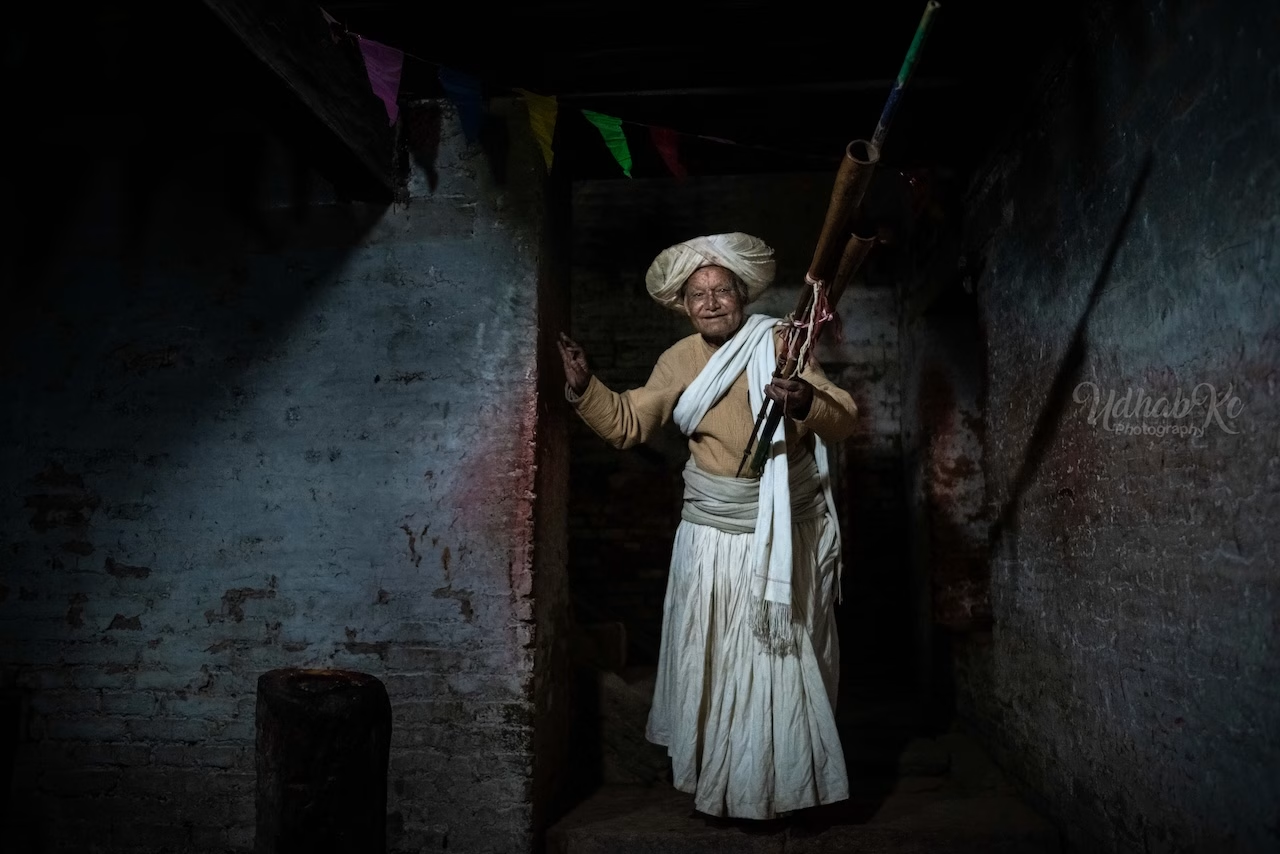 Photo — Sikali Jatra
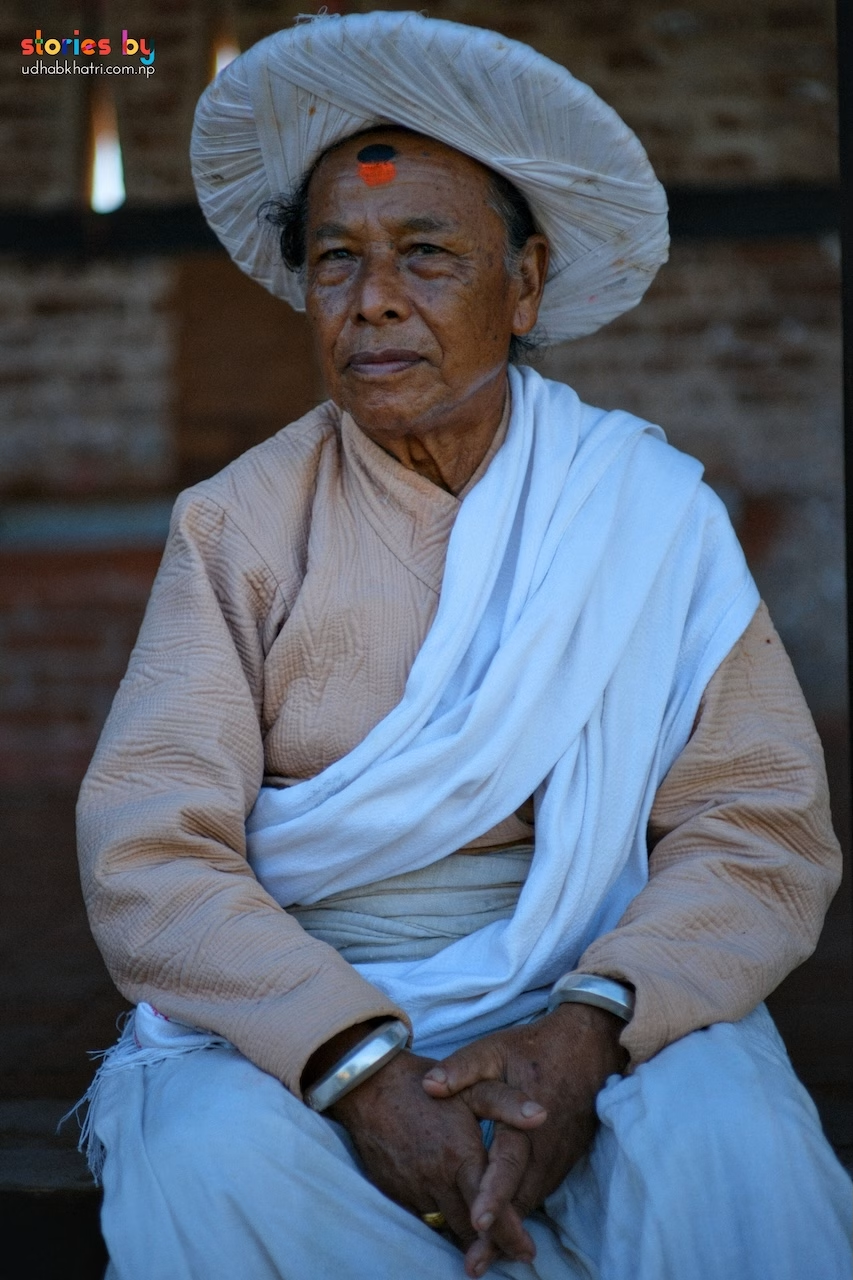
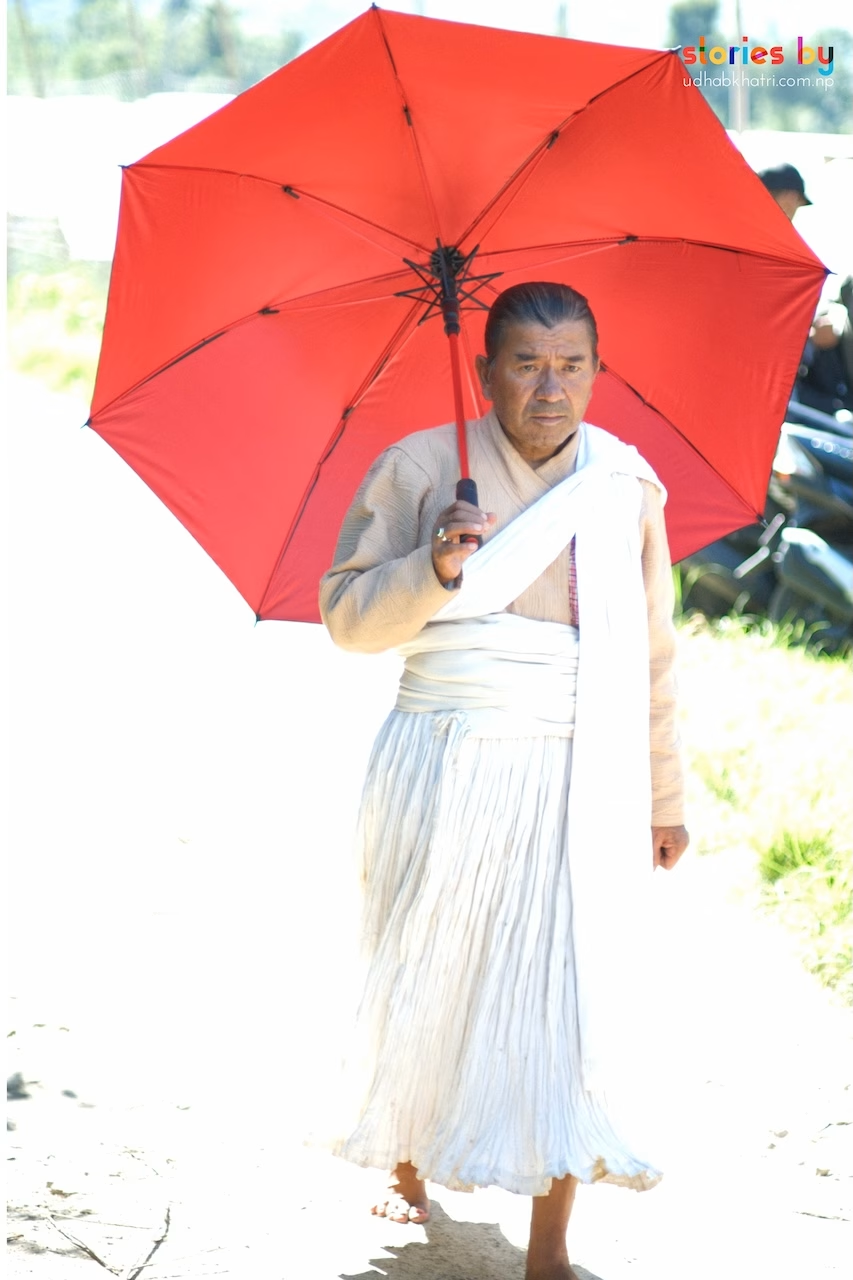
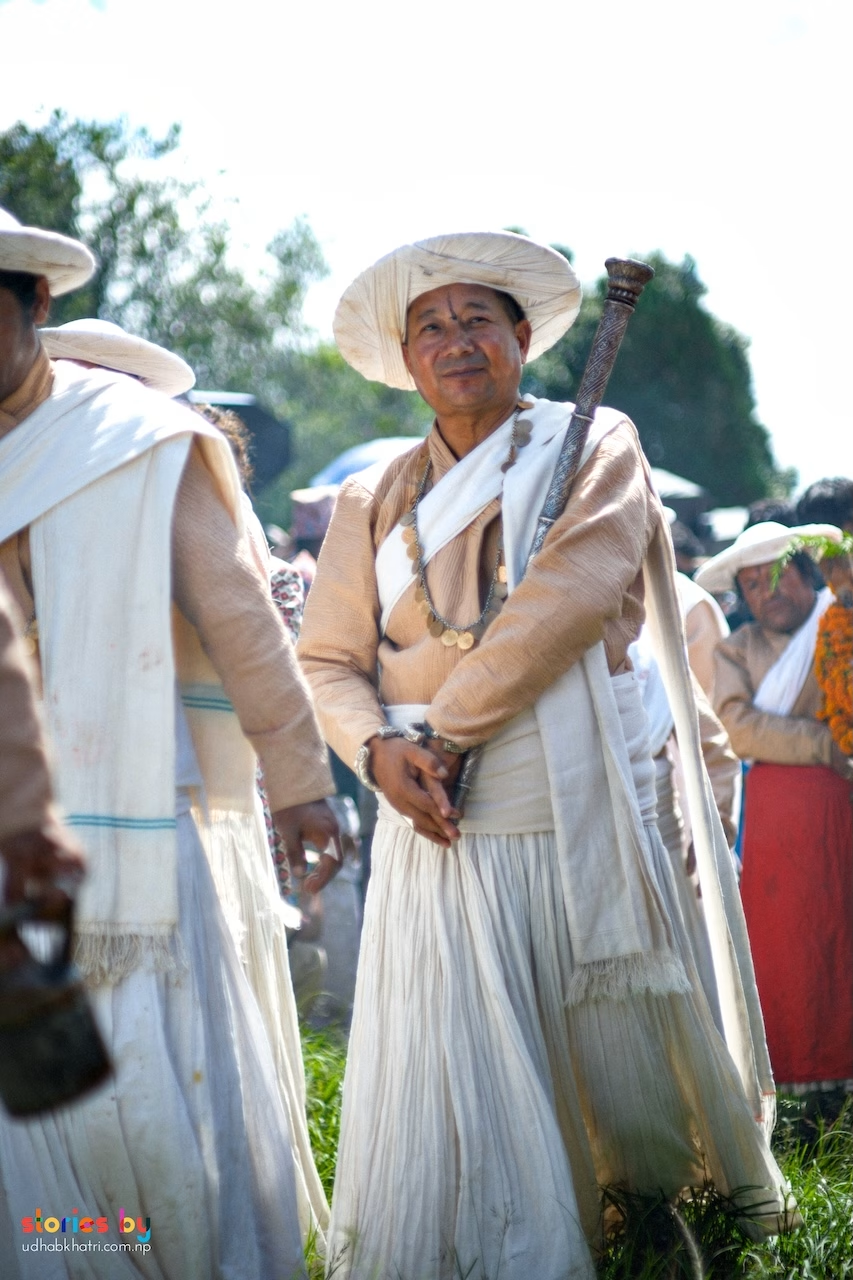
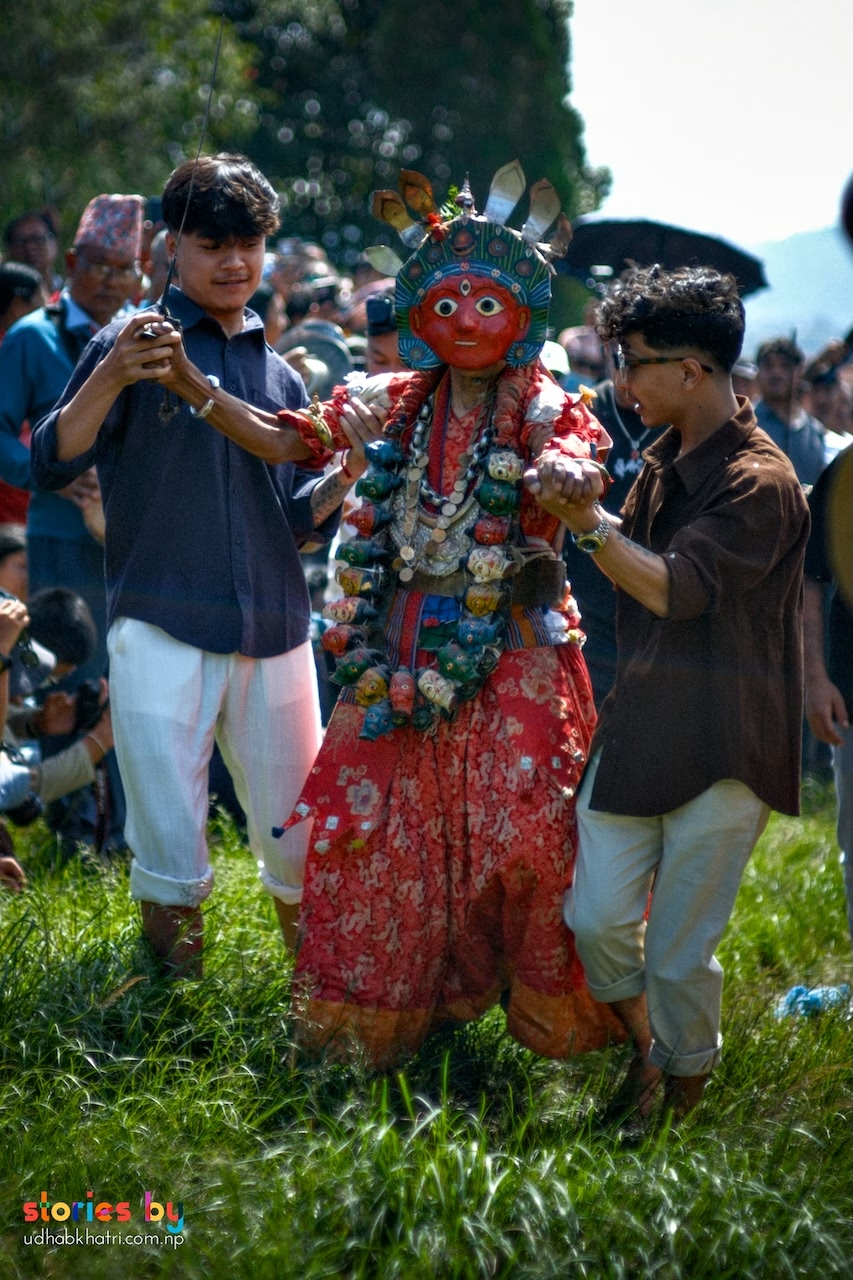
While the rest of Nepal celebrates Dashain, the Newar community of Khokana performs its own ancient ritual. Locals don sacred masks representing 14 different Hindu deities and perform vigorous, trance‑like dances on the open ground near the Rudrayani Temple. The atmosphere is raw, intensely local, and completely free of the tourist gaze. Photography here feels like a rare privilege.
Fast lenses are critical — the dances are quick and the light can be harsh midday. A 70‑200mm f/2.8 lets you isolate the masked dancers against the earthy backdrop. Get low to the ground to emphasise the power of the footwork and the swirling costumes. Stay at the edges of the ceremonial ground to avoid interfering with the ritual. The Rudrayani Temple interior is off‑limits, but the exterior with offerings makes a strong secondary subject.
 Photo
Photo
 Photo
Photo
 Photo
Photo
 Photo
Photo
The masked deities of Khokana: a village apart from the world.
Chhath Parva
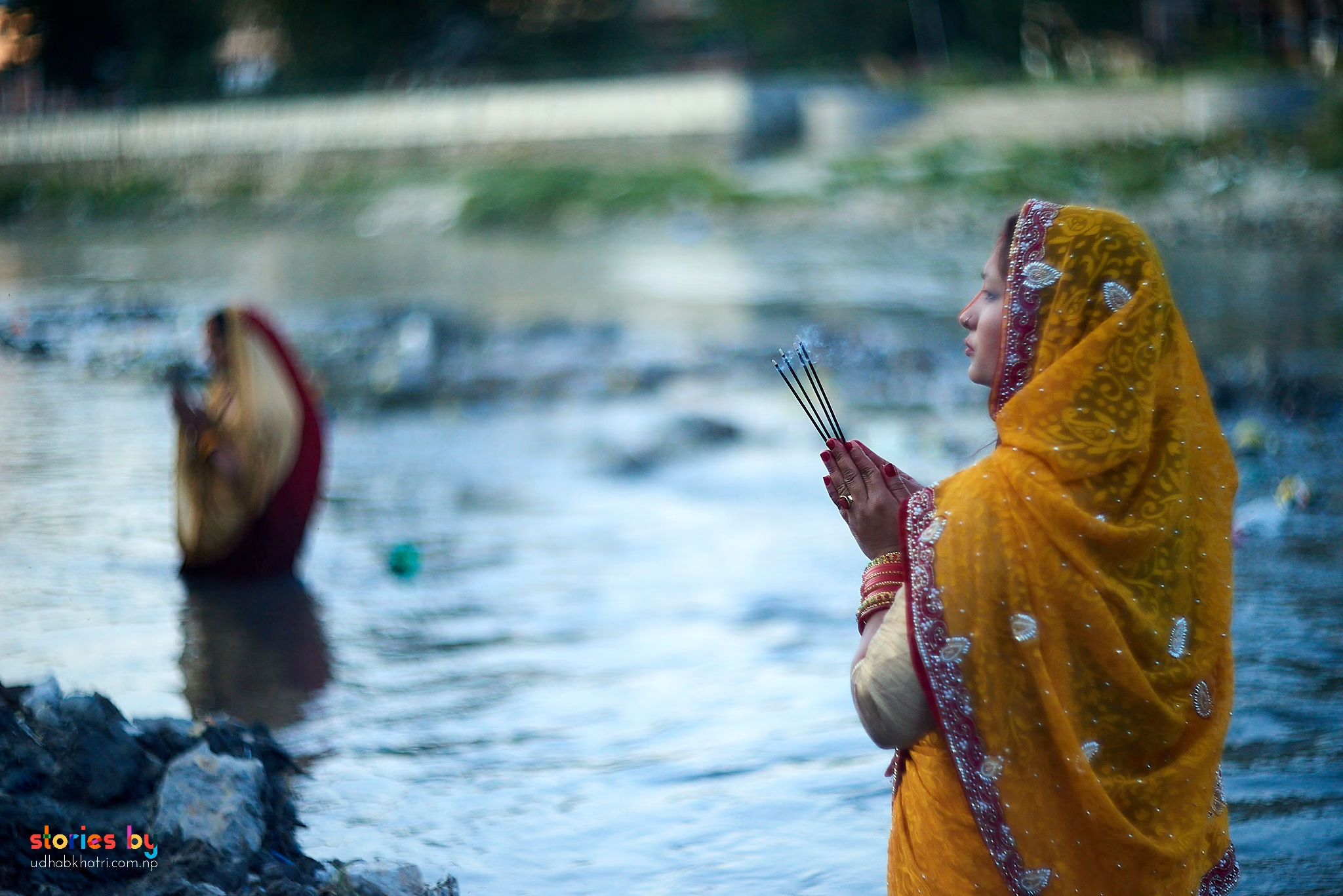 Photo — Chhath Parva
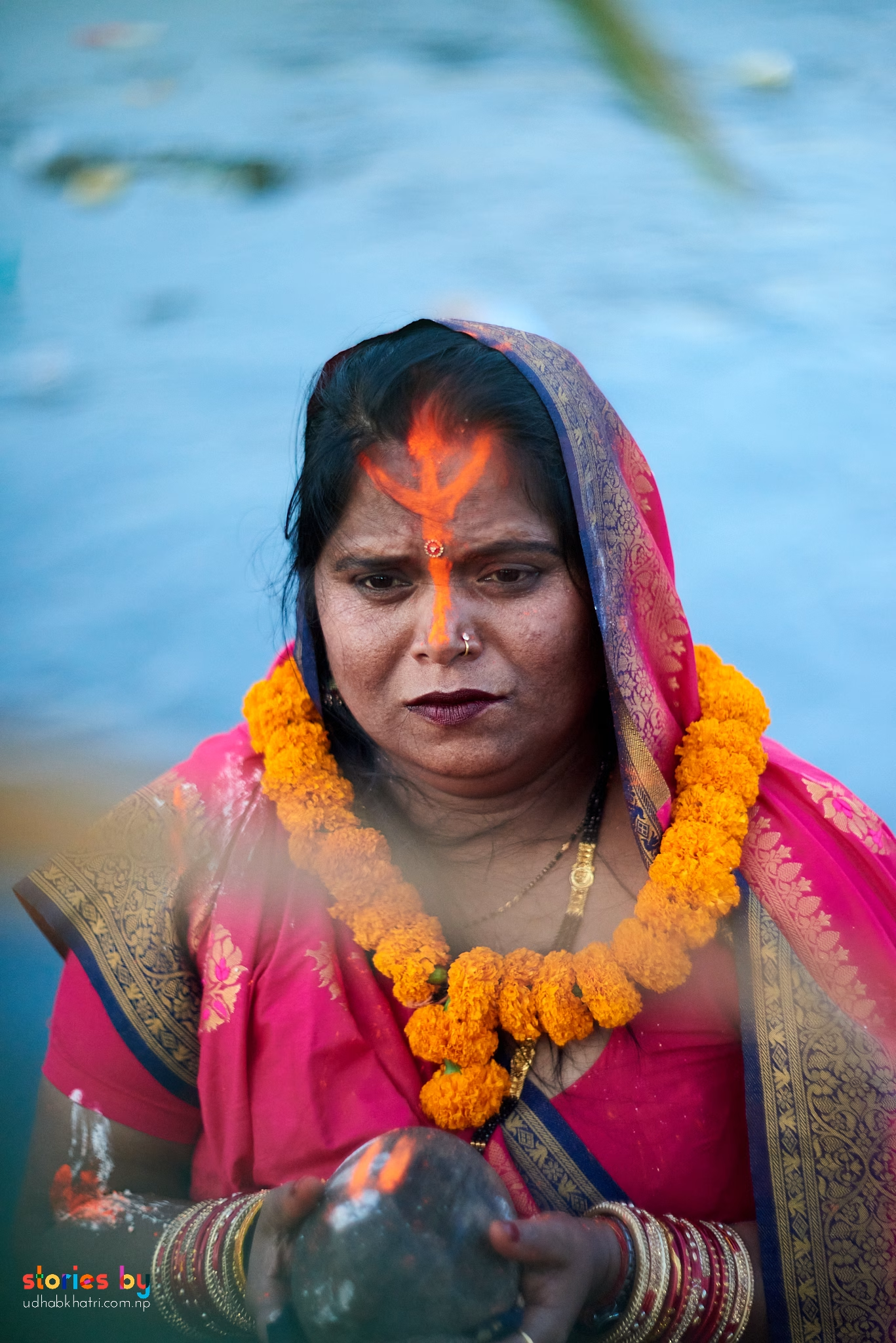
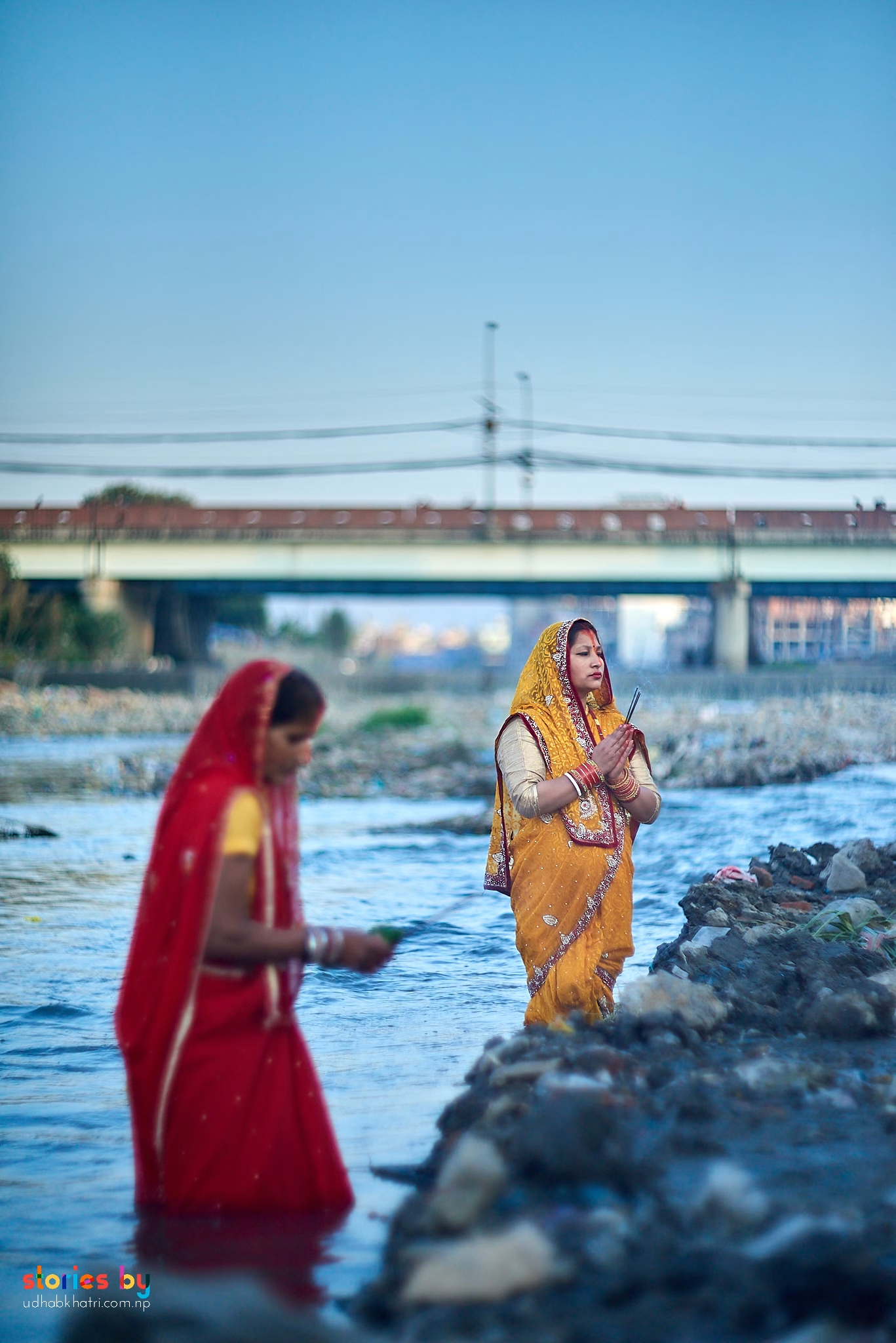
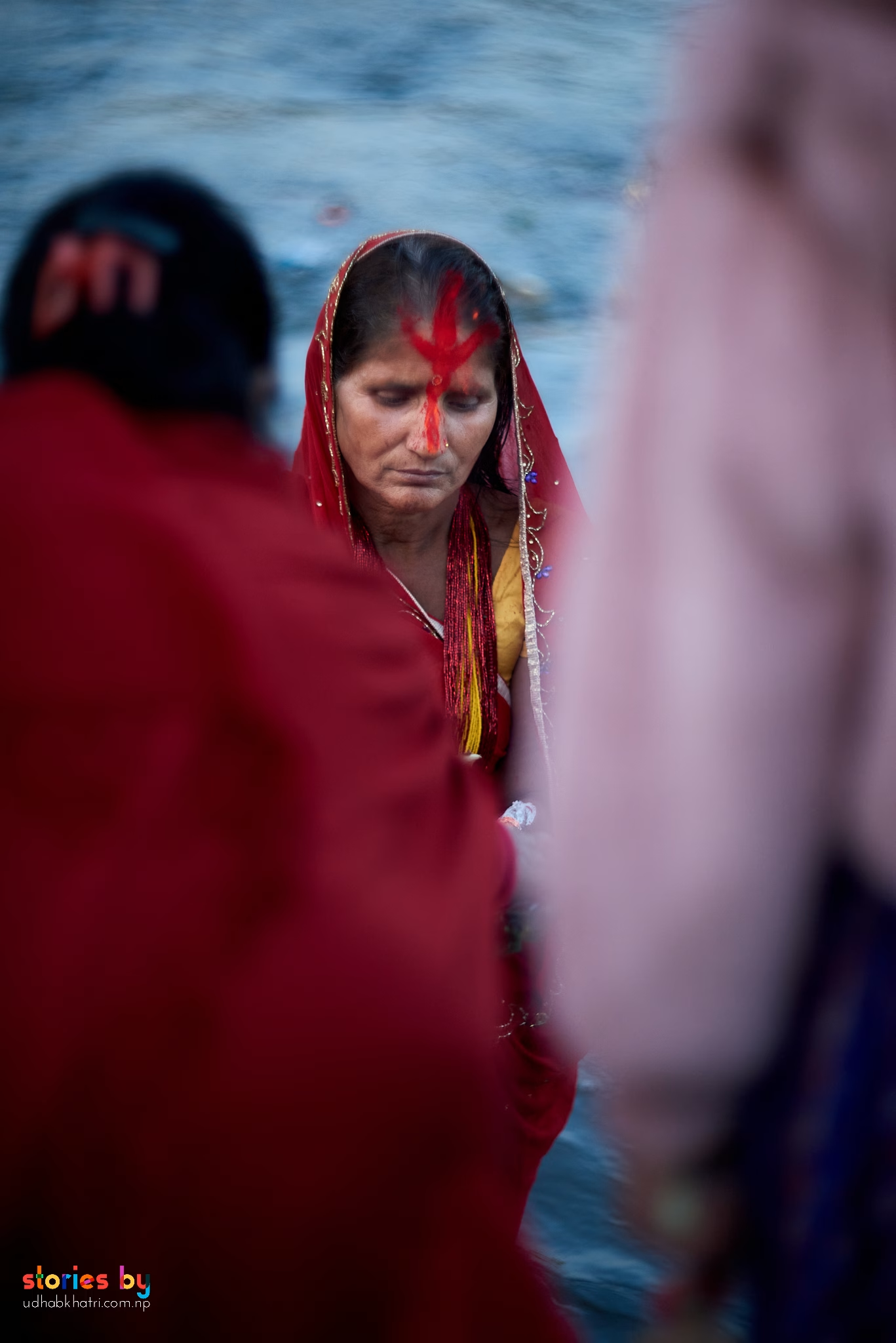
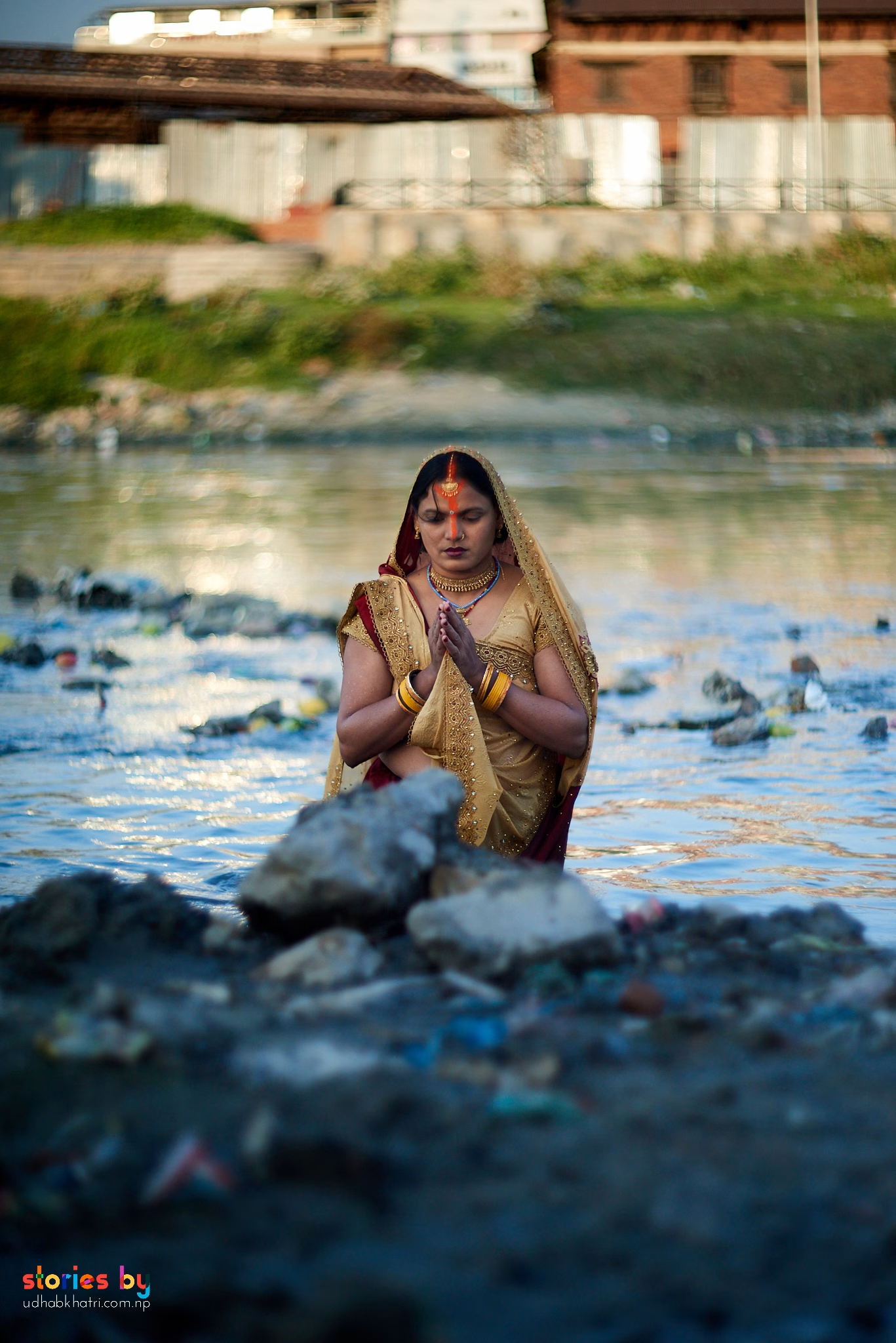
Dedicated to the Sun God, Chhath is a festival of breathtaking visual poetry. Devotees — primarily women in bright saris — stand knee‑deep in rivers and ponds at sunset and sunrise, holding trays of offerings and oil lamps. The warm light, the reflections on the water, and the colourful clothing create images that feel more painterly than documentary. The most accessible locations in Kathmandu are Gaurighat (near Pashupatinath), Kamal Pokhari, and the Bagmati riverbanks.
Do not approach the devotees too closely during their prayers — it can disturb them. Stay on the banks and use a telephoto lens to compress the scene or a wide‑angle to capture the full sweep of the ritual.
Use foreground elements — the edge of the water, a tray of offerings, a silhouette of a devotee — to create depth and narrative. A fast 85mm or 135mm prime isolates a single woman against the golden reflection on the water, while a 24‑70mm captures the full line of worshippers and the sky. At sunrise, expose for the sky and let the figures become silhouettes for a more abstract, emotional frame.
 Photo
Photo
 Photo
Photo
 Photo
Photo
 Photo
Photo
Sunrise offerings and the poetry of water and flame.
When to be in the Valley
A quick overview of where each festival falls in the year. Check exact dates locally — lunar calendars shift annually.