ABC Trail,
into the Annapurna Sanctuary
Rhododendron forests, Gurung villages, and a glacial amphitheatre beneath some of the highest peaks on Earth
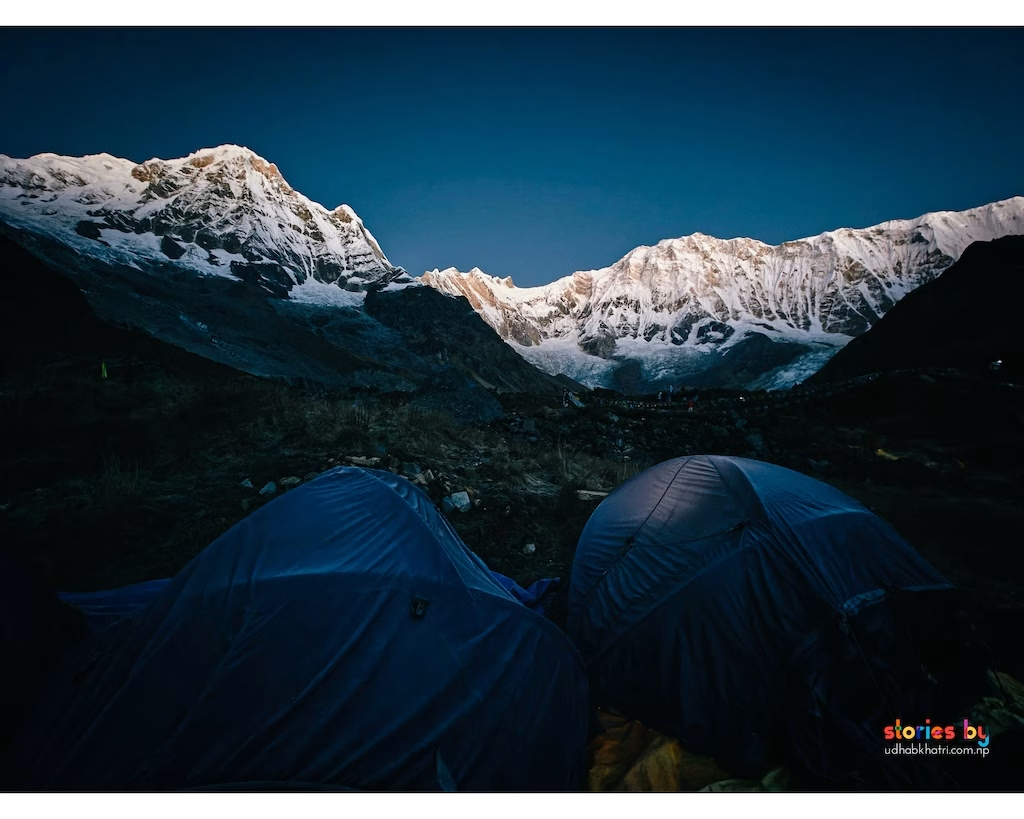
The Annapurna Base Camp trek is one of the most accessible and visually rewarding journeys in the Himalaya. In a week to ten days, you climb from subtropical valleys into a natural amphitheatre ringed by Annapurna I, Annapurna South, Hiunchuli, and Machhapuchhre. Along the way, the trail passes through moss‑draped bamboo forests, terraced rice fields, and stone‑built Gurung villages, each turn revealing a different face of the mountains. This guide unpacks the route in detail — every section, every alternative, and every photographic opportunity worth stopping for.
Nayapul to Annapurna Base Camp — Step by Step
The classic ABC trek starts at Nayapul (1,070 m), a short drive from Pokhara. The first hours follow the Modi Khola valley floor before climbing steeply. Within minutes of leaving Nayapul, you encounter the first of many waterfalls cascading beside the stone steps — an early reminder that water is the constant soundtrack of this trail.
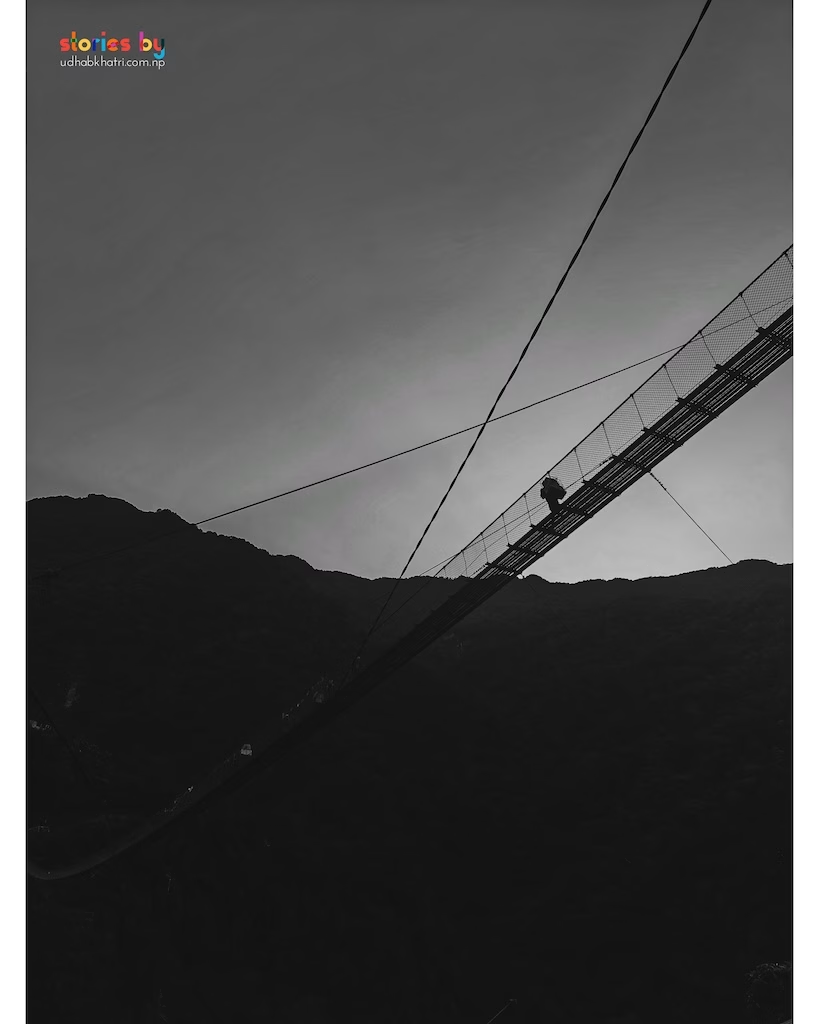
Tikhedhunga (1,540 m) marks the beginning of the famous stone staircase — thousands of steps climbing relentlessly toward Ulleri (2,070 m). This section is physically demanding but photographically rich: the vertical geometry of the stairs, porters carrying impossibly large loads, and the play of light through the canopy. At Ulleri, the landscape opens, and on clear mornings the first glimpse of Annapurna South appears above the ridge — a moment worth capturing with a telephoto to compress the village against the snow.
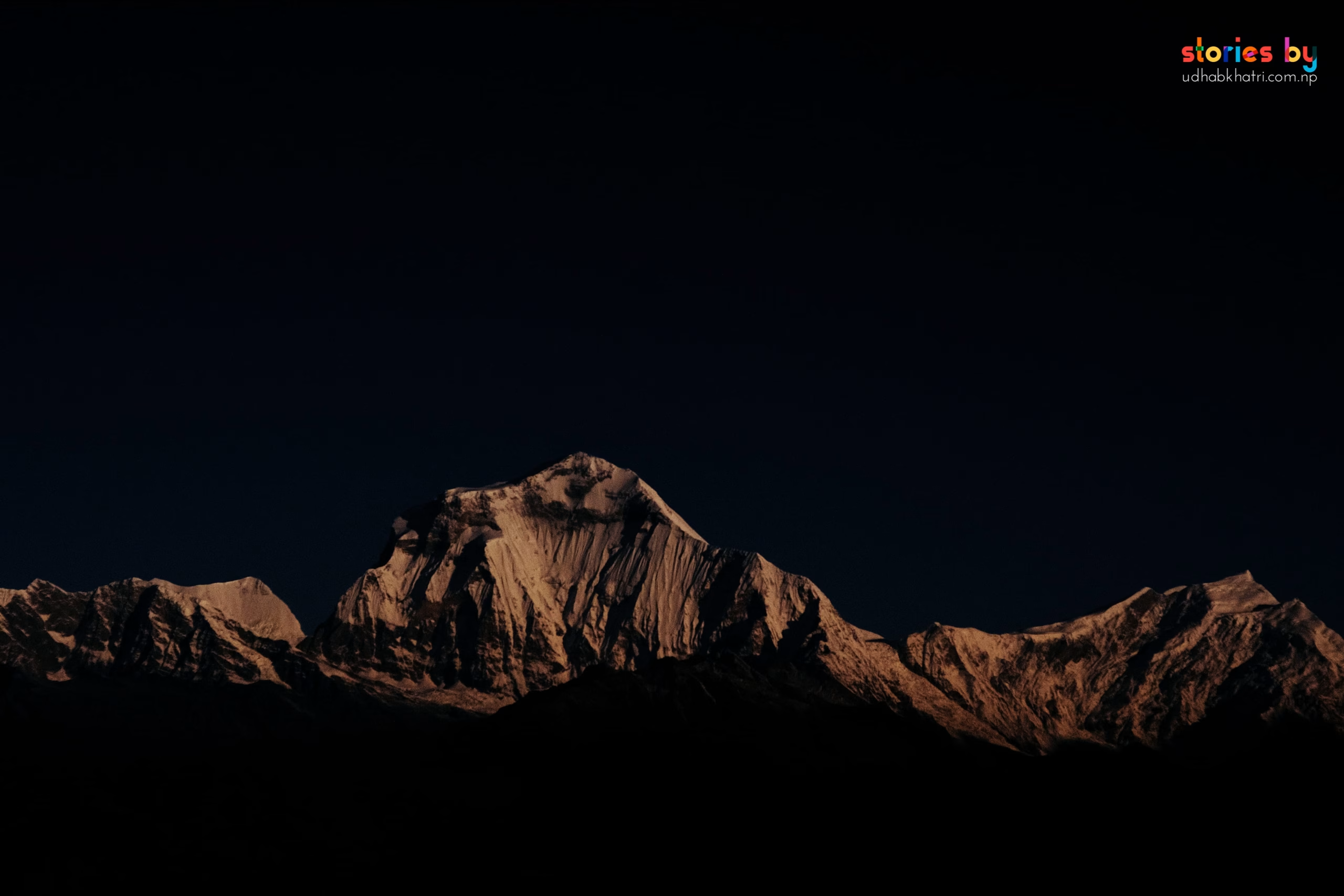
From Ulleri, the trail continues through oak and rhododendron forest to Ghorepani (2,860 m), a bustling stop best known as the gateway to Poon Hill. Poon Hill (3,210 m) is a 45‑minute pre‑dawn climb from Ghorepani, and its panoramic sunrise is one of the most photographed scenes in Nepal: Dhaulagiri (8,167 m), Nilgiri, Annapurna South, and Machhapuchhre lined up in a single sweep. Arrive early, claim a spot on the viewing platform, and use a wide‑angle (24‑35mm) for the full panorama and a telephoto (70‑200mm) to isolate the golden light on individual peaks.
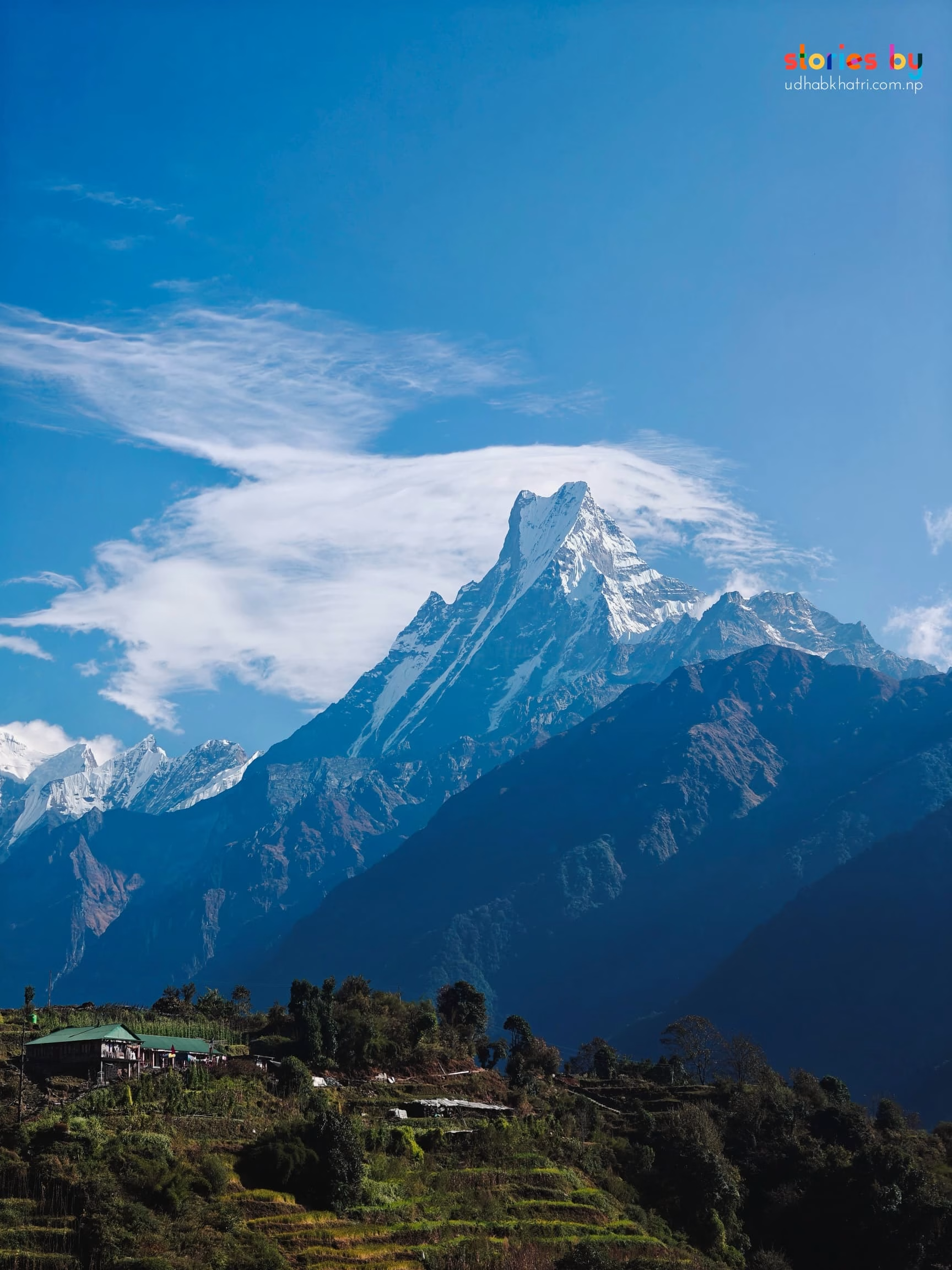
After Ghorepani, the trail drops through Tadapani (2,630 m) and descends steeply to the Modi Khola, then climbs again to Chhomrong (2,170 m). Chhomrong is the gateway to the sanctuary — a sprawling hilltop village with panoramic views of Machhapuchhre and Annapurna South. This is the last major settlement before the high trail, and it's a good place to spend an extra night for portraits of the Gurung community and the daily rhythm of lodge life.
Beyond Chhomrong, the valley narrows. The path drops to the river at Bamboo (2,310 m) — named for the dense bamboo groves that filter the light into a green, monochromatic glow. From here to Dovan (2,500 m) and Himalaya (2,920 m), the trail is often wet, the forest dripping with moss, and the sound of the river fills the air. Waterfalls appear around every corner; a slow shutter (1/15–1/4s) on a tripod turns them into silky veils against the dark rock.
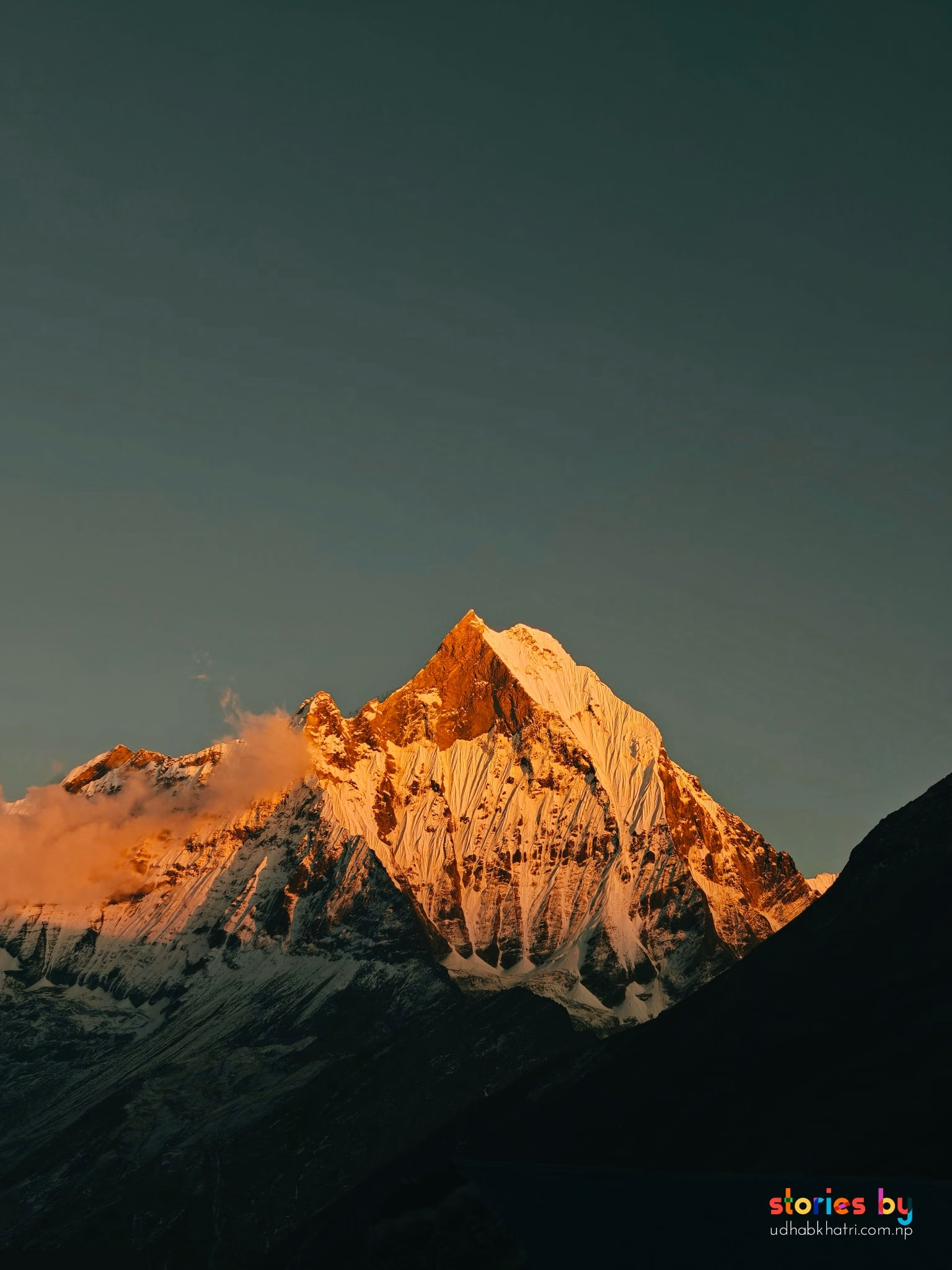
Deurali (3,200 m) marks the tree line. The landscape opens dramatically, and the temperature drops. From here to Machhapuchhre Base Camp (MBC) (3,700 m), the views of Machhapuchhre's north face — a near‑vertical wall of rock and ice — are staggering. The light at MBC is particularly good in the late afternoon, when the setting sun turns the face orange and pink. A telephoto (70‑200mm) isolates the seracs and crevasses; a wide‑angle captures the full sweep of the glacier.
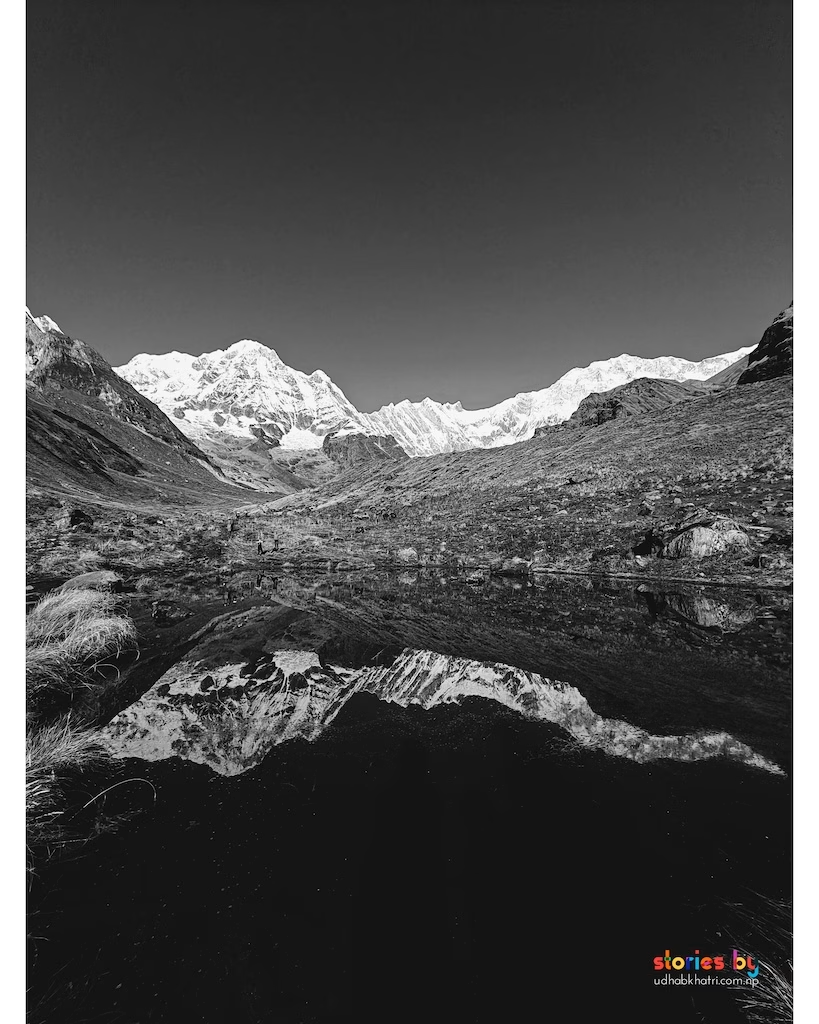
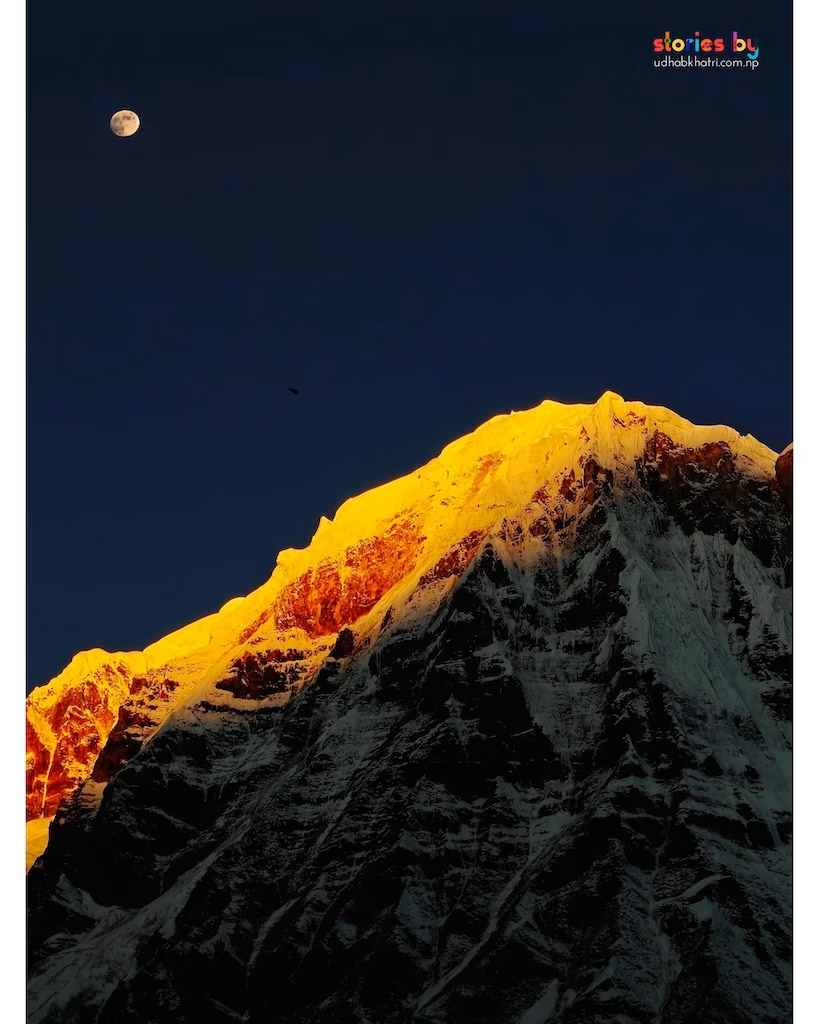
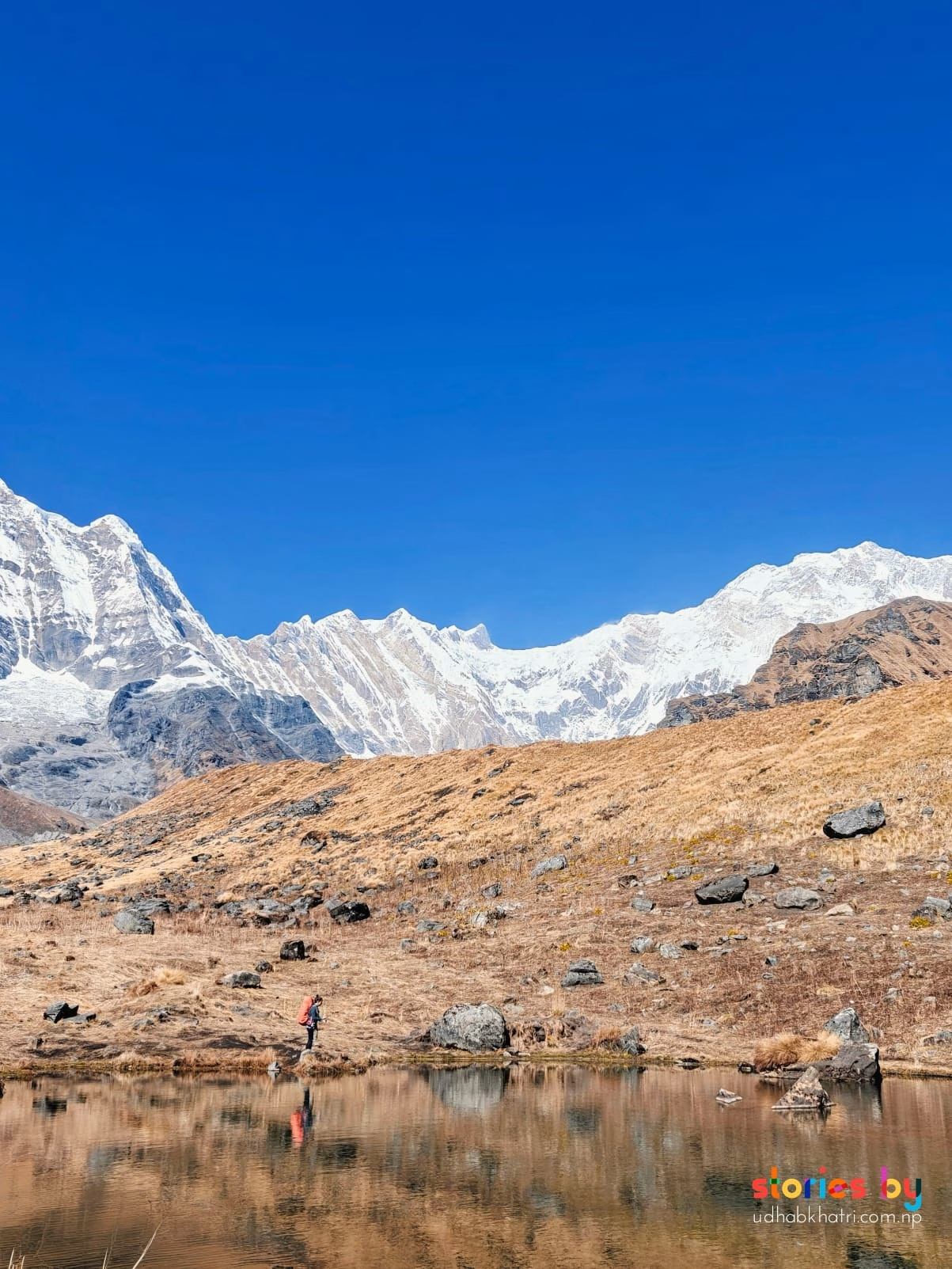
The final stage from MBC to Annapurna Base Camp (4,130 m) is a gradual climb across a wide glacial moraine. Arriving at ABC, you are completely surrounded by peaks: Annapurna I (8,091 m), Annapurna South, Hiunchuli, and the north face of Machhapuchhre. The 360‑degree view is one of the most immersive mountain experiences in the world. At dawn, the first light hits Annapurna I and slowly descends the ice walls; at night, the sky above the sanctuary is thick with stars, and the glacier glows faintly in the moonlight. A wide‑angle (16‑35mm) captures the full bowl; a tripod is essential for night photography and long‑exposure shots of the glacier.
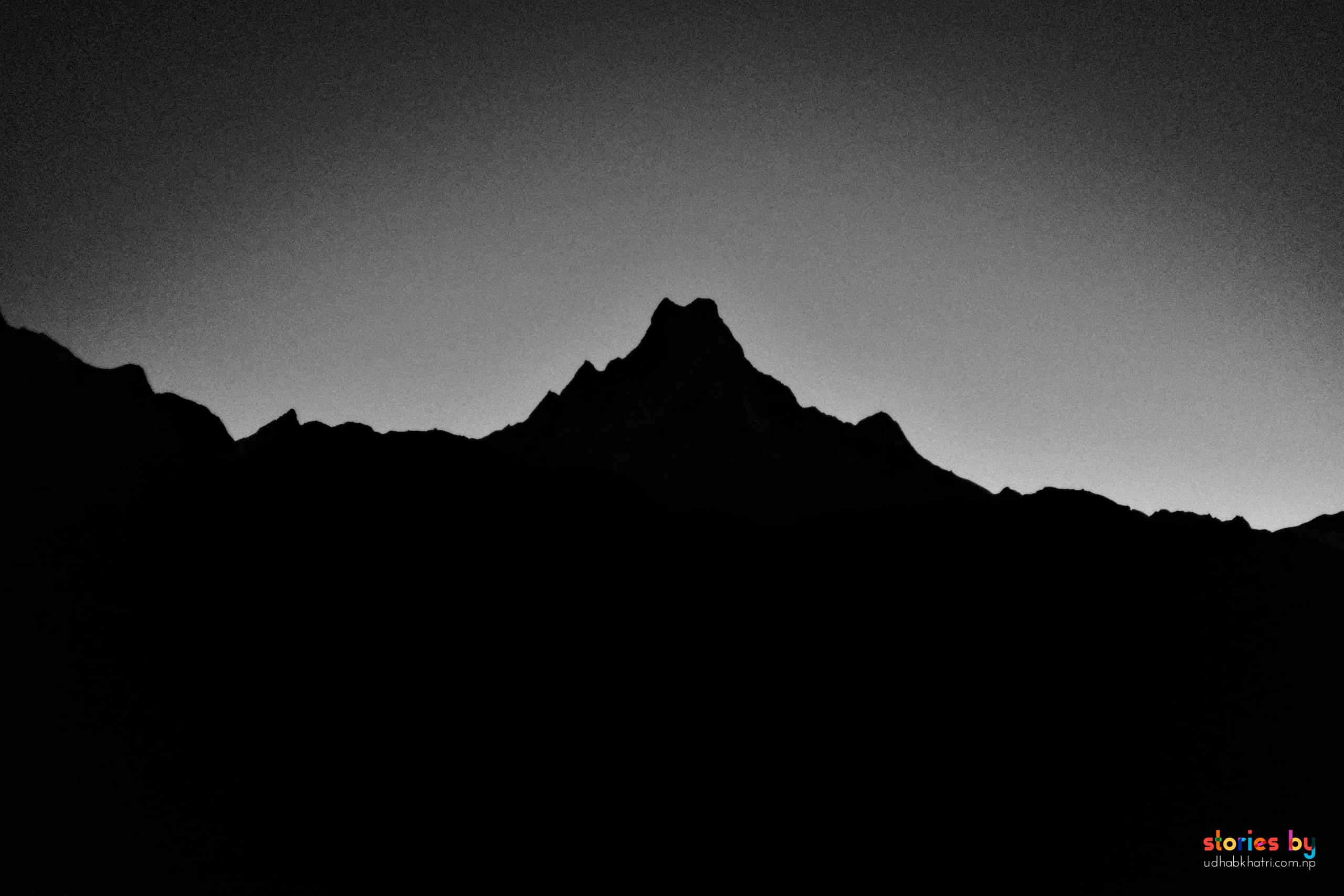
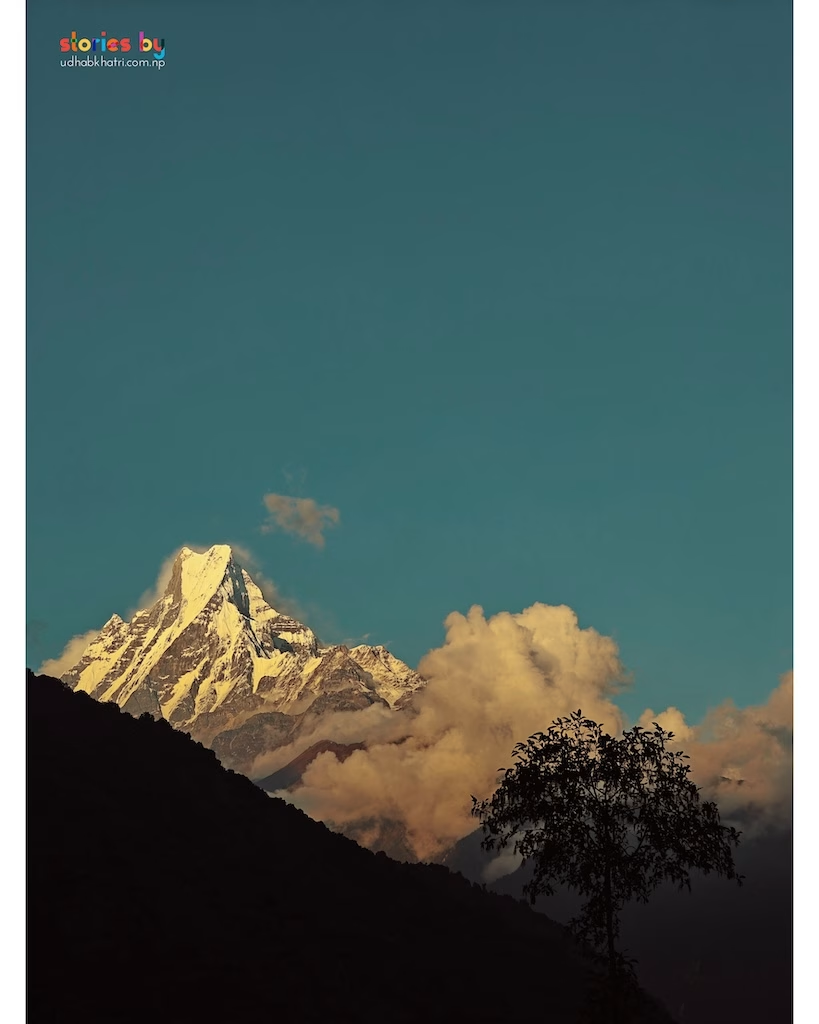
From Poon Hill and the southern approach, Machhapuchhre (Fishtail) appears as a sharp, twin‑summited peak — the classic silhouette that gives the mountain its name. From ABC, you see its north face: a sheer, ice‑plastered wall that looks like an entirely different mountain. Photograph both perspectives to tell the full story. The best light on the south face is at sunrise from Poon Hill; the north face glows at sunset from ABC.
 Photo
Photo
 Photo
Photo
 Photo
Photo
 Photo
Photo
Tailor the Trek to Your Eye
The ABC trail is highly customisable. The central section — Chhomrong to ABC and back — remains the same, but the entry and exit points can add entirely different landscapes and cultural experiences. Here are the most rewarding variations for photographers.
Classic Route: Nayapul → Chhomrong → ABC → Chhomrong → Nayapul
The most direct route. Ideal if time is short and you want to focus entirely on the sanctuary. The return repeats some of the ascent, but the morning light on the south‑facing slopes offers completely different images.
With Poon Hill: Nayapul → Ghorepani → Poon Hill → Tadapani → Chhomrong → ABC → Chhomrong → Nayapul
Adds one of the greatest Himalayan panoramas. The sunrise from Poon Hill, the rhododendron forests of Ghorepani, and the descent through Tadapani make this the most popular — and most varied — option. The extra days also help with acclimatisation.
Via Ghandruk & Landruk: Nayapul → Ghandruk → Chhomrong → ABC → Chhomrong → Landruk → Pothana → Phedi
A culturally richer loop. Ghandruk is a large, well‑preserved Gurung village with a traditional museum and stunning views of Annapurna South and Hiunchuli — excellent for environmental portraits. Landruk is quieter, with terraced fields and fewer trekkers. From there, the trail climbs to Pothana and Australian Camp, two ridgetop spots with sweeping views of the Pokhara valley and the entire Annapurna range. Australian Camp is particularly good for sunset silhouettes and morning mist.
ABC + Mardi Himal Combo: Nayapul → Chhomrong → ABC → Chhomrong → Landruk → Mardi Himal → Phedi
For photographers who want more altitude and solitude. The Mardi Himal trail branches off near Landruk and climbs to a high ridge with extraordinary close‑up views of Machhapuchhre's southwest face — a perspective few trekkers see. The combination of the sanctuary and the ridge is one of the most complete Annapurna experiences available. Requires good fitness and an extra 3–4 days.
Flora, Fauna & Waterfalls
The Annapurna Conservation Area is one of the most biodiverse trekking regions in Nepal. In spring (March–April), the rhododendron forests between Ulleri and Ghorepani erupt in brilliant red and pink — a riot of colour against the green canopy. Use a macro lens (100mm) or a telephoto to isolate individual blossoms against the dark forest background. The bamboo groves around Bamboo and Dovan create a monochromatic, almost‑zen atmosphere; look for shafts of light cutting through the dense foliage.
Wildlife encounters are common. Troops of langur monkeys patrol the lower forests, often sitting on the stone steps as you approach — a 70‑200mm lens allows you to frame them without getting too close. The Himalayan monal (danphe), Nepal's national bird, can be spotted in the higher meadows near Deurali; its iridescent plumage is a challenge for fast autofocus and a steady hand. Overhead, look for golden eagles and lammergeiers (bearded vultures) riding the thermals. If you're extremely lucky, you might spot a Himalayan tahr on the cliffs above ABC.
Waterfalls are everywhere on this trail. The most photogenic are between Tikhedhunga and Ulleri (the staircase waterfall is a classic stop), and the series of cascades between Bamboo and Dovan. For silky water effects, bring a neutral density filter and a small tripod, and shoot at 1/4–1/15s. The contrast between the white water and the dark, moss‑covered rock is especially striking on overcast days.
 Photo
Photo
 Photo
Photo
 Photo
Photo
 Photo
Photo
Baraha Temple & Tomrong Waterfall
Midway between Dovan and Himalaya, the trail passes a small but atmospheric Baraha Temple — a simple stone shrine dedicated to the boar incarnation of Vishnu, perched beside the Modi Khola. Opposite the temple, on the far side of the river, the Tomrong Waterfall drops in a single, powerful column from the cliffs above. This is one of the most photogenic natural pairings on the ABC trail, yet many trekkers walk past without stopping.
The temple itself offers a strong foreground element: its weathered stone, often decorated with marigolds and vermillion, against the curtain of falling water behind it. A wide‑angle lens (24‑35mm) lets you frame the shrine and the waterfall together, while a telephoto (70‑200mm) can isolate details — a single flower on the altar, the texture of the water hitting the rocks. The best light comes in the mid‑morning, when the sun illuminates the waterfall without casting harsh shadows. Use a tripod and a neutral density filter to smooth the cascade into a silky veil.
Position yourself at the temple steps for a low‑angle composition that emphasises both the shrine's detail and the height of the waterfall. Include a worshipper or a passing porter for scale, but be respectful — this is an active place of prayer, not just a backdrop. On overcast days, the soft light reduces contrast and allows for long‑exposure shots without filters.
Mardi Himal — A short trail with a long view
The Mardi Himal trek is the ABC trail's quieter sibling — a narrow ridge that climbs through rhododendron forests to a high camp at 3,580 m, and then on to a viewpoint area above 4,500 m. It offers some of the closest, most intimate views of Machhapuchhre's southwest face, and on clear days the panorama stretches from the Annapurnas to Dhaulagiri. The trail sees far fewer trekkers than ABC, making it an excellent choice for photographers who want solitude and a slower pace.
You can combine Mardi Himal with the ABC route by branching off at Landruk or Pothana, turning your trek into a full Annapurna Sanctuary + Ridge experience. The full combo takes 11–14 days (see the alternative routes above). A detailed, dedicated photography guide to the Mardi Himal trek is available below.
Permits & Fees
Two permits are required. Both can be obtained in Kathmandu or Pokhara before starting.
Foreigners: NPR 3,000 · SAARC: NPR 1,000
Fees subject to change. Verify current rates at the tourism office before departure.
Safety on the ABC Trail
ABC is a moderate trek, but it reaches over 4,000 m. Acclimatisation is important — don't rush the ascent. Recognise the symptoms of altitude sickness and descend immediately if they worsen. The trail includes thousands of stone steps; trekking poles are strongly recommended to protect your knees on the descent.
Read our complete trekking safety guide for Nepal. It covers acclimatisation, travel insurance, what to pack, and how to handle emergencies on the trail.
Read the safety guide →