Terai Belt,
the warm heart of the lowlands
Forests, grasslands, Tharu villages, and a light that asks for patience
The Terai is another Nepal — hot, humid, and alive with birdsong and the rustle of wildlife. It's a place of misty rivers, community trails, and rhythms that feel far removed from the mountains. This guide moves through the places I know best — from the boat rides of Sauraha to the vulture restaurants of Kasauti and the homestays of Madi — with practical advice for photographing the lowlands at their most atmospheric.
Sauraha, Kasara & Chitwan National Park

Sauraha is the classic entry point to Chitwan National Park — a small town on the banks of the Rapti River, lined with guesthouses and safari offices. The river itself is the main photographic stage: at dawn, wooden dugout canoes glide through thick mist, and the first light catches the elephant grass on the far bank. A wide‑angle (24‑35mm) from the water's edge captures the full atmosphere; a telephoto (70‑200mm) isolates a boatman's silhouette against the golden haze.
Kasara, further west, is quieter and less visited. The park headquarters and the crocodile breeding centre are here, and the riverine forest offers deeper, more secluded frames. Jeep safaris depart from both Sauraha and Kasara, and while I don't specialise in wildlife photography, the opportunities are genuine: one‑horned rhinoceros, wild elephants, gaur (Indian bison), gharial and mugger crocodiles, and over 500 bird species. A fast telephoto (minimum 200mm, ideally 400mm) is essential for animals; a zoom like a 100‑400mm gives flexibility from a moving jeep.
For photographers not focused on wildlife, the landscape and the river life are equally rewarding. The early‑morning boat rides on the Rapti are the best opportunity — the mist is thickest between November and February, and the water is often mirror‑calm. I have several boating images from these stretches, and they capture the quiet, slow‑moving essence of the Terai better than any wildlife frame.
If you join a safari, keep your camera ready and your settings dialled in before the engine starts. A fast shutter (1/500s minimum) freezes movement on bumpy trails. In the early morning, open your aperture wide (f/2.8–f/4) and don't be afraid of high ISO — the misty light is worth the grain. Always listen to your guide; they know the animal behaviour and the safe distances.

 Photo
Photo
 Photo
Photo
 Photo
Photo
 Photo
Photo
Madi Valley — Community, Culture & the River
Madi is where I have spent the most time, and it remains one of the most rewarding places in the Terai for cultural photography. The valley runs along the southern edge of Chitwan National Park, and its community‑based tourism system means you stay with local families, eat home‑cooked meals, and photograph daily life as it happens — not as it's performed. The Tharu community here is warm and welcoming, and if you take the time to sit with people before raising your camera, the images come naturally.
Three subjects stand out in Madi. The first is the dhokal — a traditional Tharu musical instrument made from a hollowed wooden tube and animal skin. The process of making one is slow and tactile: hands shaping wood, stretching hide, the tools worn smooth by use. A 35mm or 50mm lens gets you close to the details without being intrusive.
The second is the Tharu dance and cultural performances, usually held in the evening. The dancers wear bright white and red costumes, and the movements are rhythmic and grounded — not for a stage, but for the community itself. Use a fast lens (f/1.8 or f/2.8) and a higher ISO to freeze the motion under uneven light. A wide‑angle from a low position emphasises the dancers against the night sky.
The third is a small Hindu shrine linked to the Pandava brothers from the Mahabharata — a quiet, sacred spot tucked near the river. The story here gives the place a weight that photographs can only hint at. Approach it as you would any active shrine: quietly, with respect, and without rearranging anything for the frame.
The riverbank at Madi is a world in itself: children swimming, women washing clothes, fishermen casting nets. A 70‑200mm lens lets you frame these scenes from a respectful distance, and the late‑afternoon light turns the water golden. The homestay experience means you are already part of the village; use that trust to make photographs that feel close and unhurried.

 Photo
Photo
 Photo
Photo
 Photo
Photo
 Photo
Photo
Fishing Community, Jatayu Restaurant & Rural Landscapes
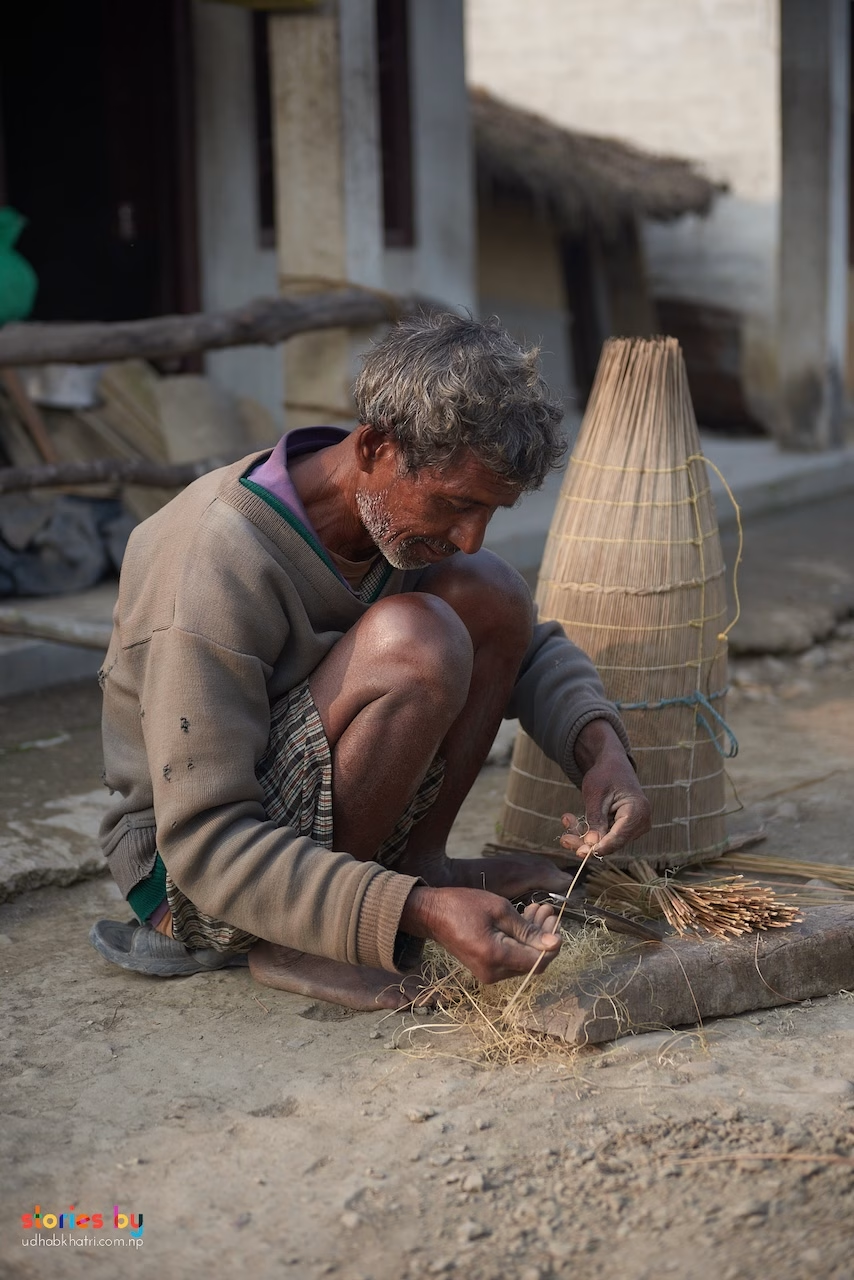
Kasauti sits along the banks of a river whose name the locals know better than any map. It's a fishing community first, and the daily rhythm revolves around the water — nets being repaired, boats being caulked, the morning catch being sorted on the shore. The making of fishing equipment is a quiet, skilled process: hands weaving nets, shaping bamboo traps, mending wooden hulls. A 50mm prime captures the textures; a wide‑angle places the craft in its environment.
The Jatayu Restaurant — the vulture feeding station — is one of the most unique photographic subjects in Nepal. Established to support the declining vulture population, the site offers a controlled feeding area where several species of vultures descend on carrion. The birds are massive and striking, and the activity peaks in the mid‑morning. A telephoto lens (at least 200mm, ideally 400mm) is essential; you'll be positioned at a respectful distance, and the light can be harsh by late morning, so arrive early. The fee supports ecotourism and conservation, and the experience is as educational as it is visual.
Nawalpur, a little further west, is a quieter patchwork of wheat fields, small rivers, and roadside chai stalls. It's a place for slow, unplanned photography — the kind that comes from wandering rather than chasing a specific subject. I have fewer images from here, but the rural landscapes and the early‑morning mist over the fields are worth a few frames.
A visual diary from the vulture restaurant — wings, waiting, and the business of survival.
For the fishing community, early morning is the window. The light is soft, and the activity is genuine — no one is posing. Sit on the bank and let the scene settle around you. At the vulture restaurant, a tripod or monopod helps with long telephoto shots; use a fast shutter (1/1000s) to freeze the birds in flight, or slow it down to 1/250s for wing blur.

 Photo
Photo
 Photo
Photo
 Photo
Photo
 Photo
Photo
Wildlife & Conservation in the Terai

The Terai is Nepal's most biodiverse region. The landscape is dominated by sal forests and vast stands of elephant grass that can grow over 6 metres tall — creating a natural studio of soft, filtered light. The vulture conservation programme at Kasauti is part of a broader effort to save South Asia's critically endangered vultures, and visiting the restaurant directly supports this work.
While I don't specialise in wildlife photography, the basic principle is universal: patience, a long lens, and a good local guide. The light in the Terai is softer than the mountains; it rises through mist and sets in a warm, golden haze. That light, more than any single animal, is what I remember from every trip south.
If you're aiming for rhinos or tigers, book multiple safaris — early morning and late afternoon. A 100‑400mm zoom is the most versatile lens for the park. Use a beanbag or monopod from the jeep for stability. And always, always listen to your guide — they know the animals' behaviour and will keep you at a safe distance.
Permits & Fees
National park entry fees apply in Chitwan. Community areas like Madi and the vulture restaurant have separate, smaller charges that support local conservation.
SAARC nationals: lower rates apply
Nepali nationals: NPR 300
Fees subject to change. Verify current rates locally or through the park office before your visit.
Safety in the Terai
The Terai is hot and humid, especially from April to September. Drink plenty of water, use sunscreen and a hat, and protect your gear from dust and moisture. Mosquitoes are common — a good repellent is essential, and a mosquito net at night is wise. For wildlife, keep a safe distance at all times; never approach animals on foot outside designated areas. In the park, always follow your guide's instructions. In villages and community forests, ask before photographing people or private spaces.
Read our complete safety guide for Nepal. While it focuses on trekking, the sections on health, hydration, and travel insurance apply equally to the lowlands.
Read the safety guide →