Boudhanath,
the great mandala
One of the world's largest stupas — a living Tibetan Buddhist universe in the eastern suburbs of Kathmandu
Boudhanath is not just a monument; it is a complete visual ecosystem. The massive white dome and its golden spire dominate the landscape, but the true photographic richness lies in the circling pilgrims, the smoke of butter lamps, the flutter of prayer flags, and the monastic life that fills the surrounding streets. For the documentary and travel photographer, Boudha offers layer upon layer of spiritual and cultural narrative — all within a compact, walkable radius.
The Main Stupa & the Kora Path
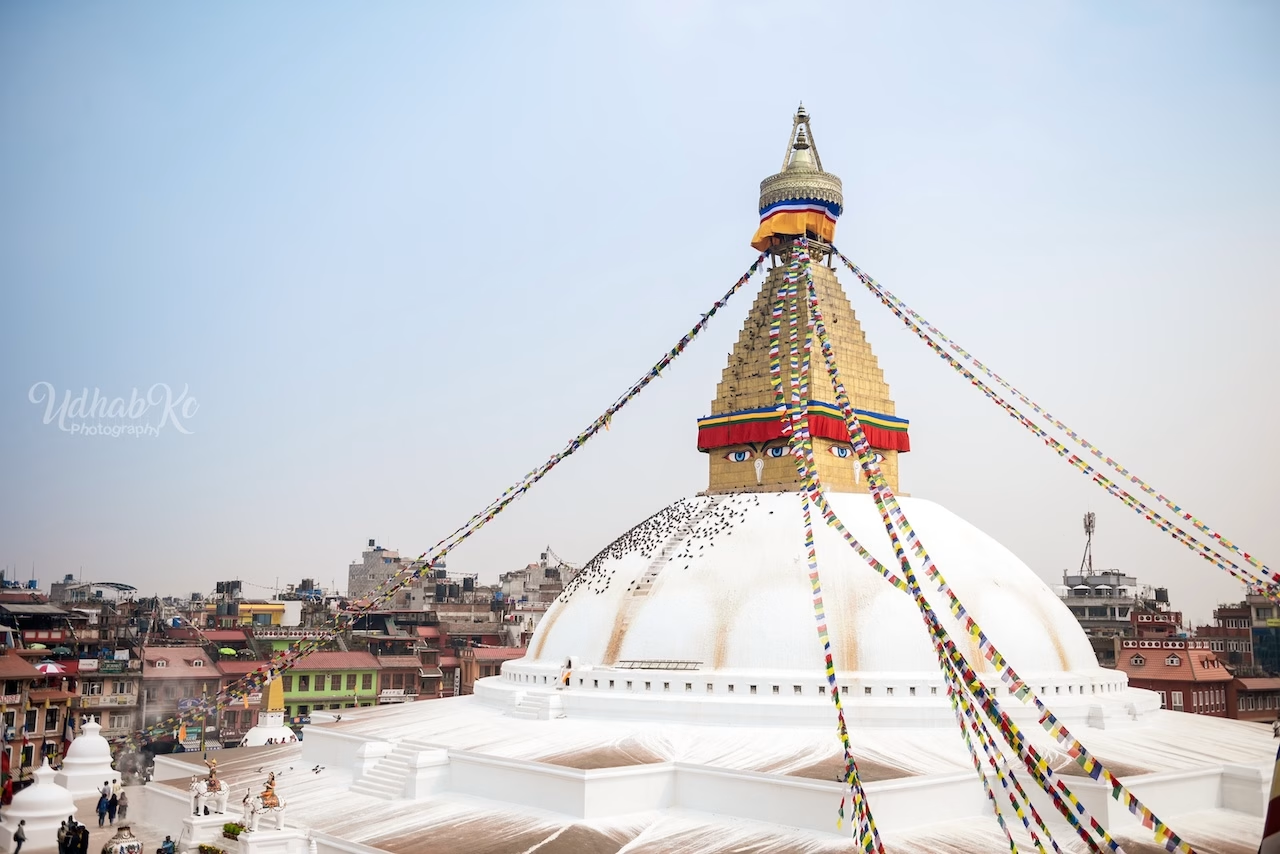 Photo — Boudhanath Stupa
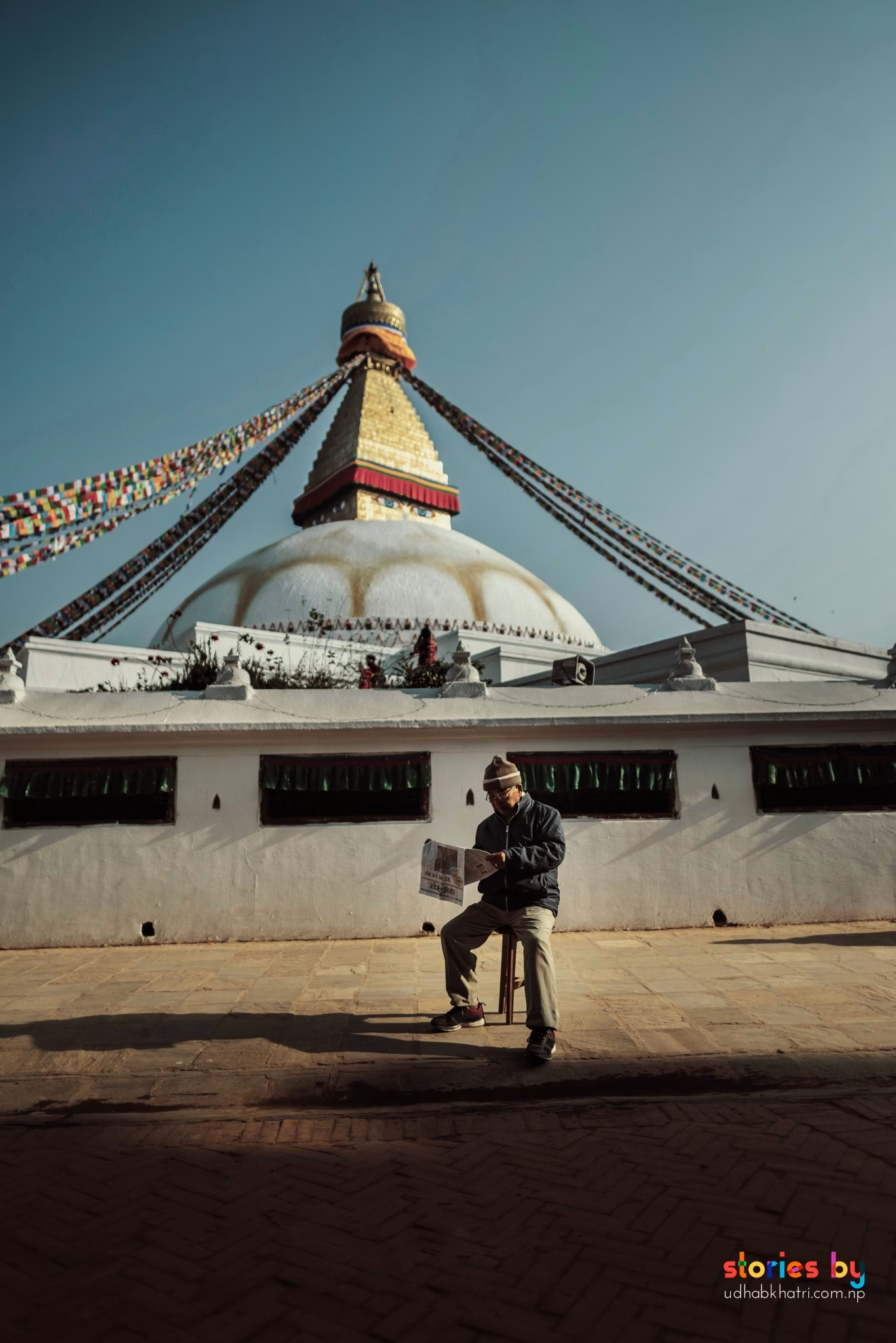
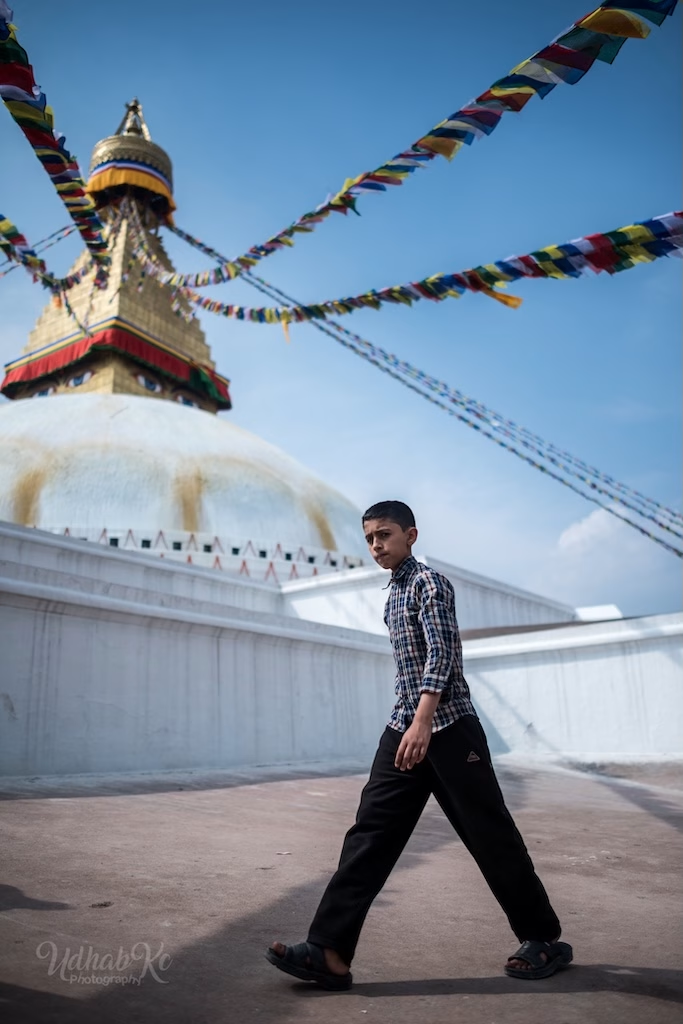
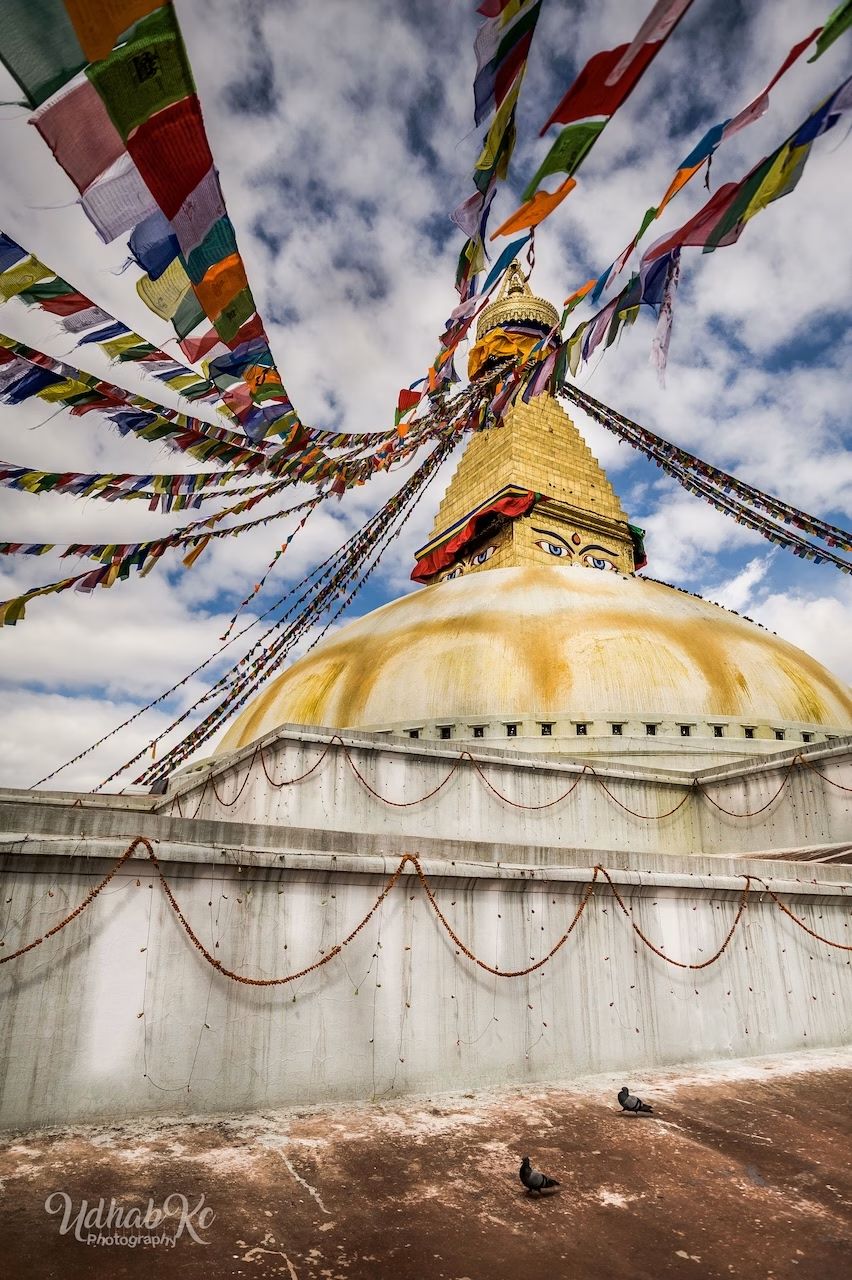
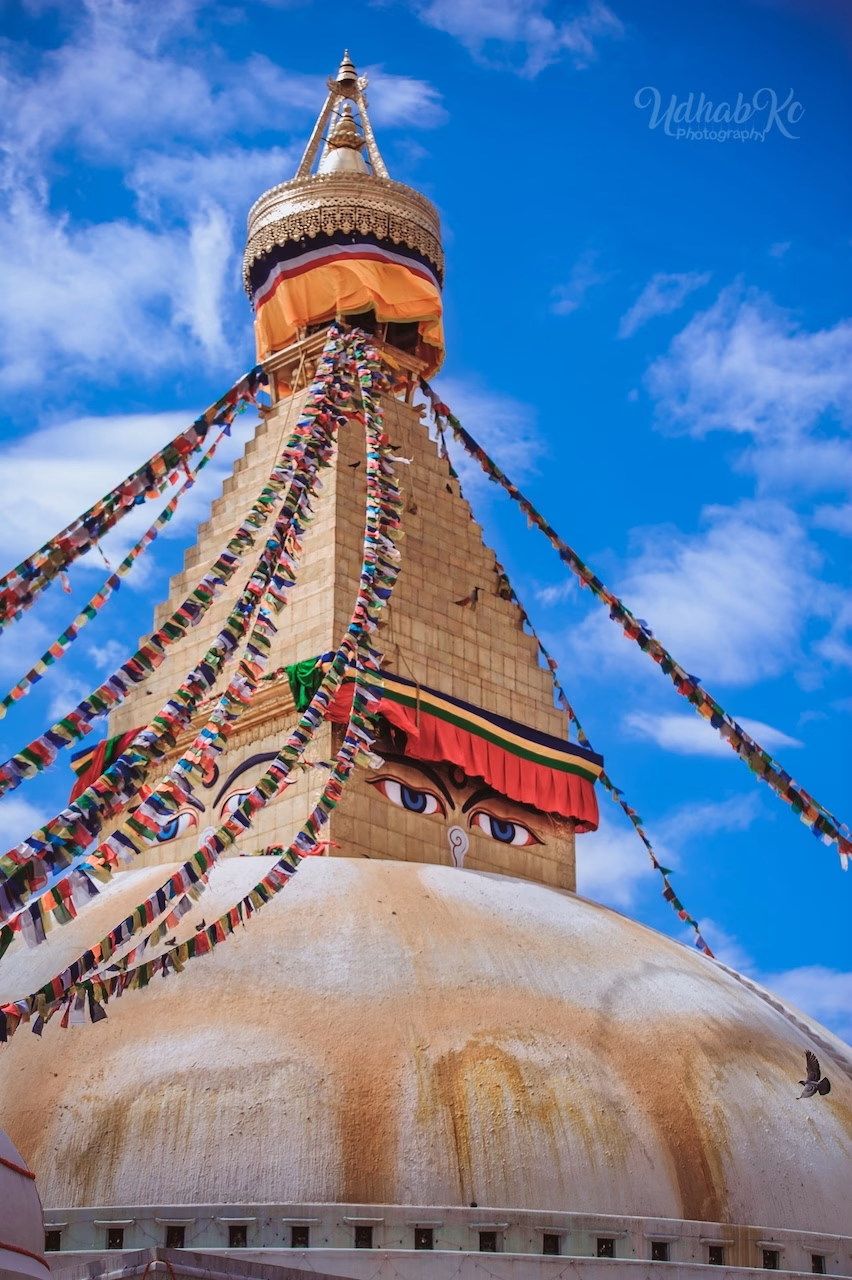
Rising 36 metres above the plaza, Boudhanath is the largest stupa in Nepal and one of the holiest Tibetan Buddhist sites outside Tibet. The great white dome, the all‑seeing eyes, and the gilded 13‑tier spire are the iconic elements, but the real photographic motor of the place is the kora — the constant clockwise flow of devotees, monks, tourists, and locals circling the stupa. This unbroken human loop creates endless opportunities for layered compositions, motion blur, and intimate portraits.
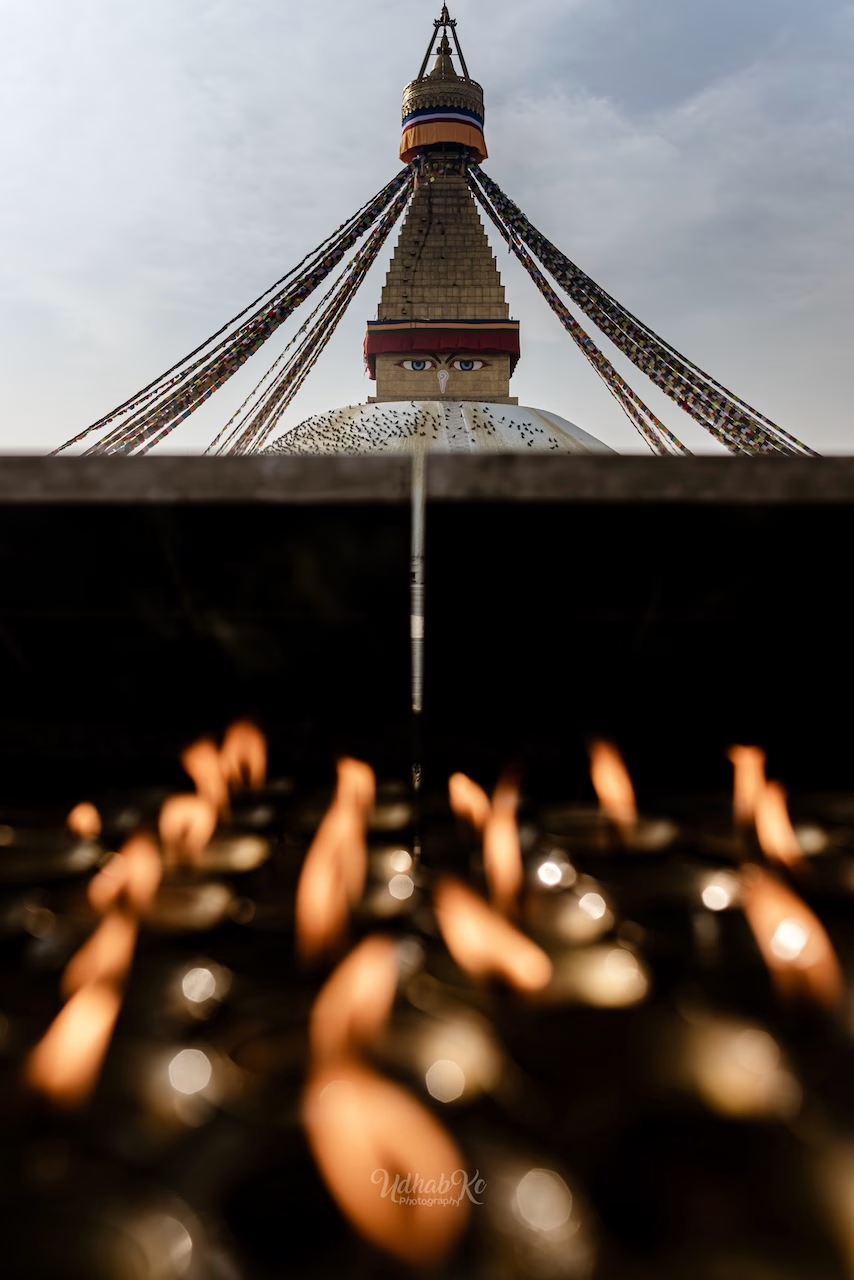
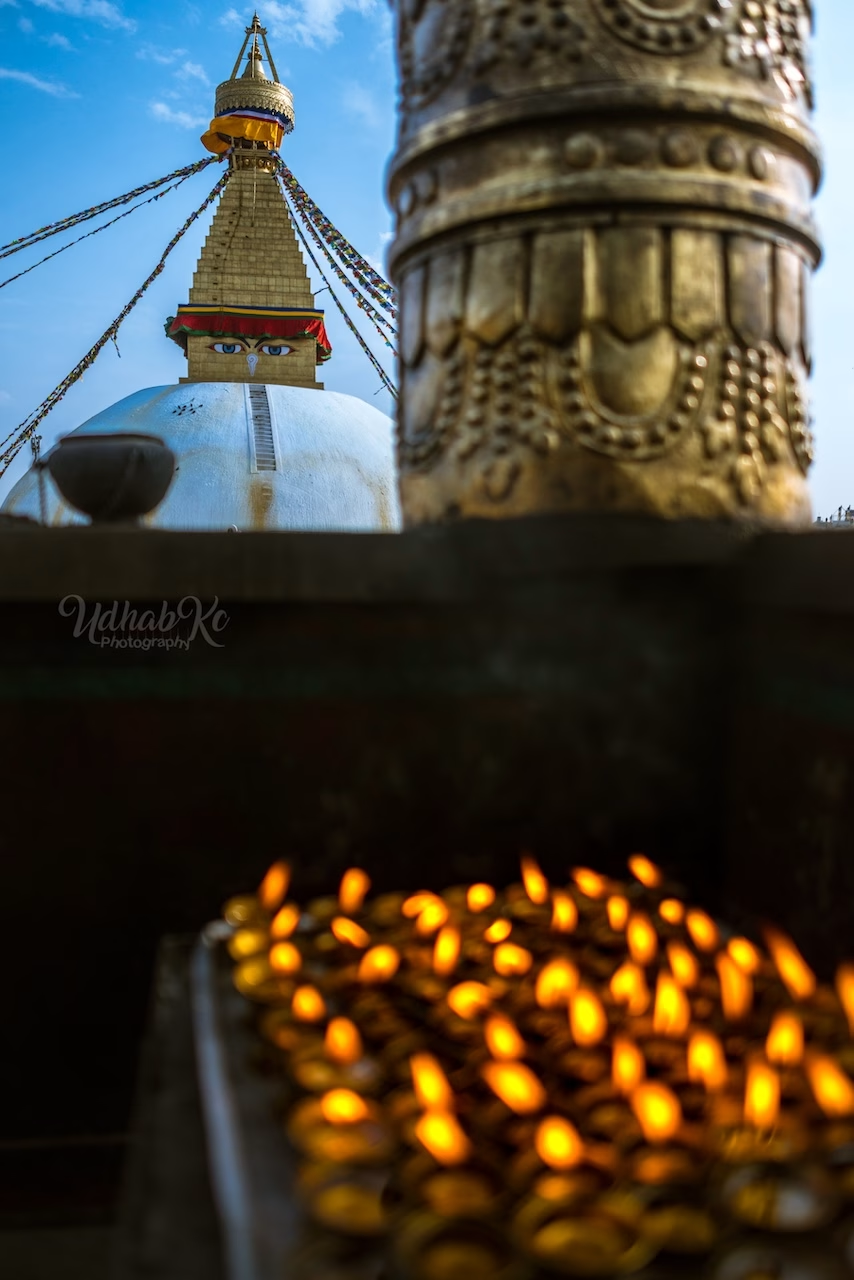
The best photographs come from walking the kora yourself, slowly, and letting the scenes unfold. At dawn, the first pilgrims appear, and the morning light catches the dome and the rising dust of prayer. By late afternoon, the golden hour paints the white dome in warm, buttery tones, and the butter lamps at the surrounding shrines are lit, adding flickering points of warm light against the fading sky.
Use a normal prime (50mm) or a short telephoto (85mm) to compress the layers of pilgrims, prayer wheels, and architectural detail. A slow shutter speed (1/15–1/30s) can beautifully blur the spinning prayer wheels while keeping the surrounding figures sharp. Position yourself at a corner of the stupa where the path bends to capture the flow of the crowd receding into the distance.
Don't stay at ground level. Several rooftop cafés around the stupa (such as those on the northern and western sides) offer elevated views that reveal the full mandala‑like layout of the complex. A wide‑angle lens from these rooftops, especially at sunrise or sunset, can produce images that show the stupa in its urban context.
 Photo
Photo
 Photo
Photo
 Photo
Photo
 Photo
Photo
Monasteries, Art Schools & the Tibetan Quarter
Behind the grand stupa lies a dense network of narrow alleys, home to a large Tibetan exile community, dozens of monasteries (gompa), and traditional thangka painting studios. The contrast between the open expanse of the stupa plaza and these intimate backstreets is striking. Here you'll find young monks in maroon robes studying in courtyards, elderly Tibetans spinning handheld prayer wheels, and artists meticulously applying gold leaf to intricate mandalas.
Photographing in these lanes requires a slower, more respectful approach, but the rewards are enormous. Many monasteries welcome visitors during prayer times, and the interior light — filtered through windows and oil lamps — is dark, moody, and beautiful. Ask permission before entering and be discreet with your camera; a silent shutter and a fast prime lens (f/1.4 or f/1.8) will be your best tools.
The morning prayer sessions (around 6–7 am) are the best window. A 35mm or 50mm fast prime allows you to shoot in the dim light without raising ISO too high. Look for beams of light cutting through incense smoke, the geometry of seated monks, and the intimate details of ritual objects — brass offering bowls, butter lamps, ancient texts.
 Photo
Photo
 Photo
Photo
 Photo
Photo
 Photo
Photo
Pashupatinath Temple — A 30‑Minute Walk
One of the great unsung photographic advantages of Boudhanath is its proximity to Pashupatinath, Nepal's most sacred Hindu temple complex. The two sites are only a 30‑minute walk apart through a local neighbourhood, making it entirely possible to shoot sunrise at Boudha, walk across, and catch the late morning rituals at Pashupatinath — all before lunch. The contrast between the serene, meditative rhythm of the stupa and the raw, emotional intensity of the Bagmati ghats is one of the most powerful visual dichotomies available to a photographer in Kathmandu.
We recommend visiting Boudhanath first in the early morning, then walking east toward Pashupatinath around 9 am. The route passes through a bustling local market and residential streets that are themselves worth a few frames. For a full photography guide to Pashupatinath, see the edicated page.
The lanes connecting Boudha and Pashupati are classic Kathmandu: chowks, vegetable stalls, small temples, and children playing. A 35mm lens is perfect for capturing this transition. Try to shoot the contrast — a prayer flag blowing in the wind with a distant view of the Pashupatinath temple spires.
Entry Fees
The main stupa area has a ticket booth; surrounding lanes and monasteries are free.
SAARC nationals: NPR 100 · Nepali citizens: Free
SAARC nationals: NPR 1,000 · Nepali citizens: Free
Boudhanath tickets are checked at the main entrances. The ticket is valid all day. Fees subject to change.
A Morning at Boudha
Start at dawn on the kora path, move to a rooftop café for the elevated view, then explore the back lanes and monasteries. Walk to Pashupatinath afterward for a complete half‑day of unparalleled documentary photography.