Light in Street Photography
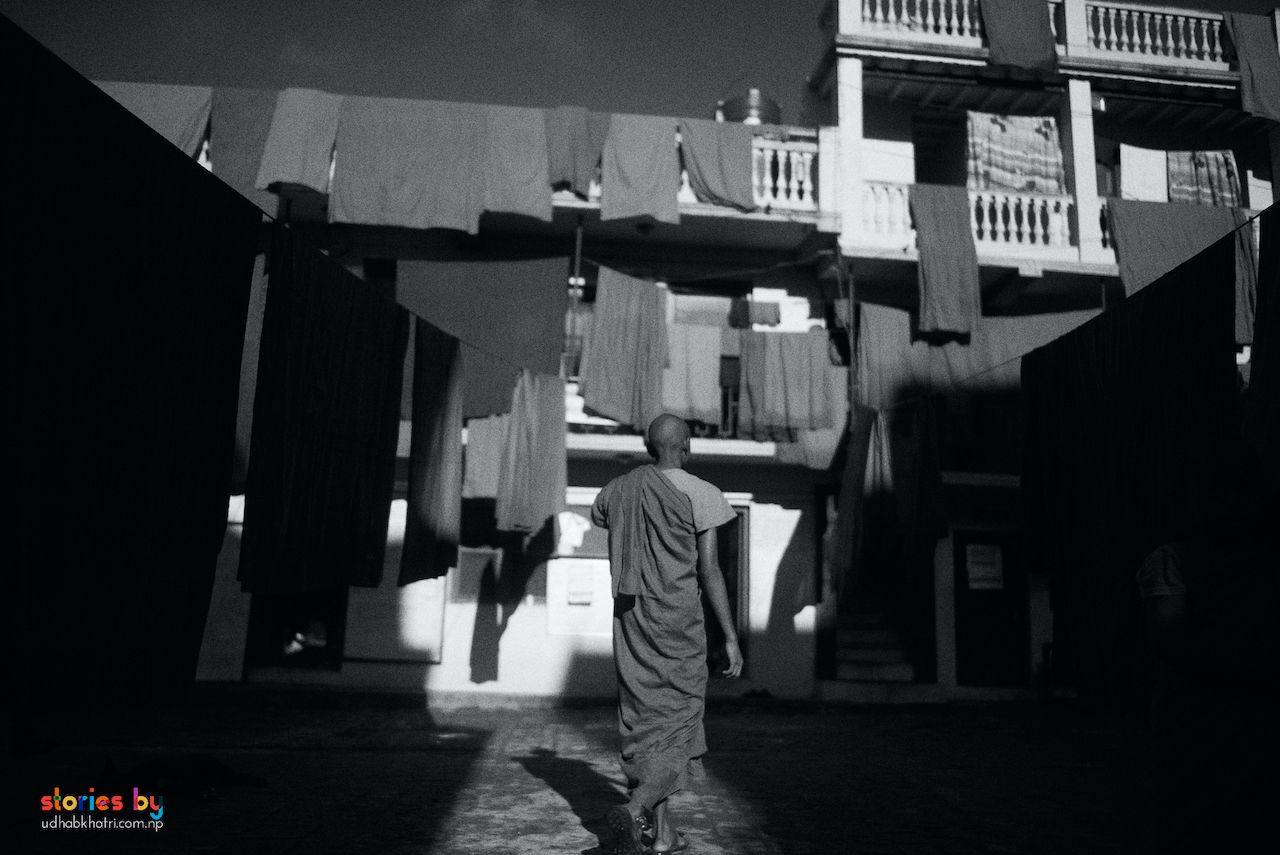
Light doesn’t decorate the street — it defines it.
Street photography doesn’t begin with subjects or locations. It begins with light. Light decides what stays visible, what disappears, and what feels important. On the street, you don’t control light — you respond to it. Learning to notice light is often more important than learning to expose it correctly.
Light Is Direction, Not Brightness
Many people think good light means bright light. In reality, direction matters more than intensity.
Side light reveals texture. Backlight creates silhouettes. Top light can flatten or isolate. Once you start noticing where light comes from, scenes begin to organize themselves without much effort.
Shadows Are Not a Problem
Shadows are often treated as something to avoid. In street photography, they are tools.
- Hide distractions
- Separate subjects from backgrounds
- Add mystery or tension
- Suggest presence without showing everything
Sometimes the shadow is the subject.
Light Creates Mood Before Content
The same street can feel completely different depending on light.
- Soft light slows the image down
- Hard light adds tension and contrast
- Low light introduces uncertainty
- Artificial light changes colour and emotion
Mood is often established before the viewer understands what’s happening in the frame.


Time of Day Shapes the Street
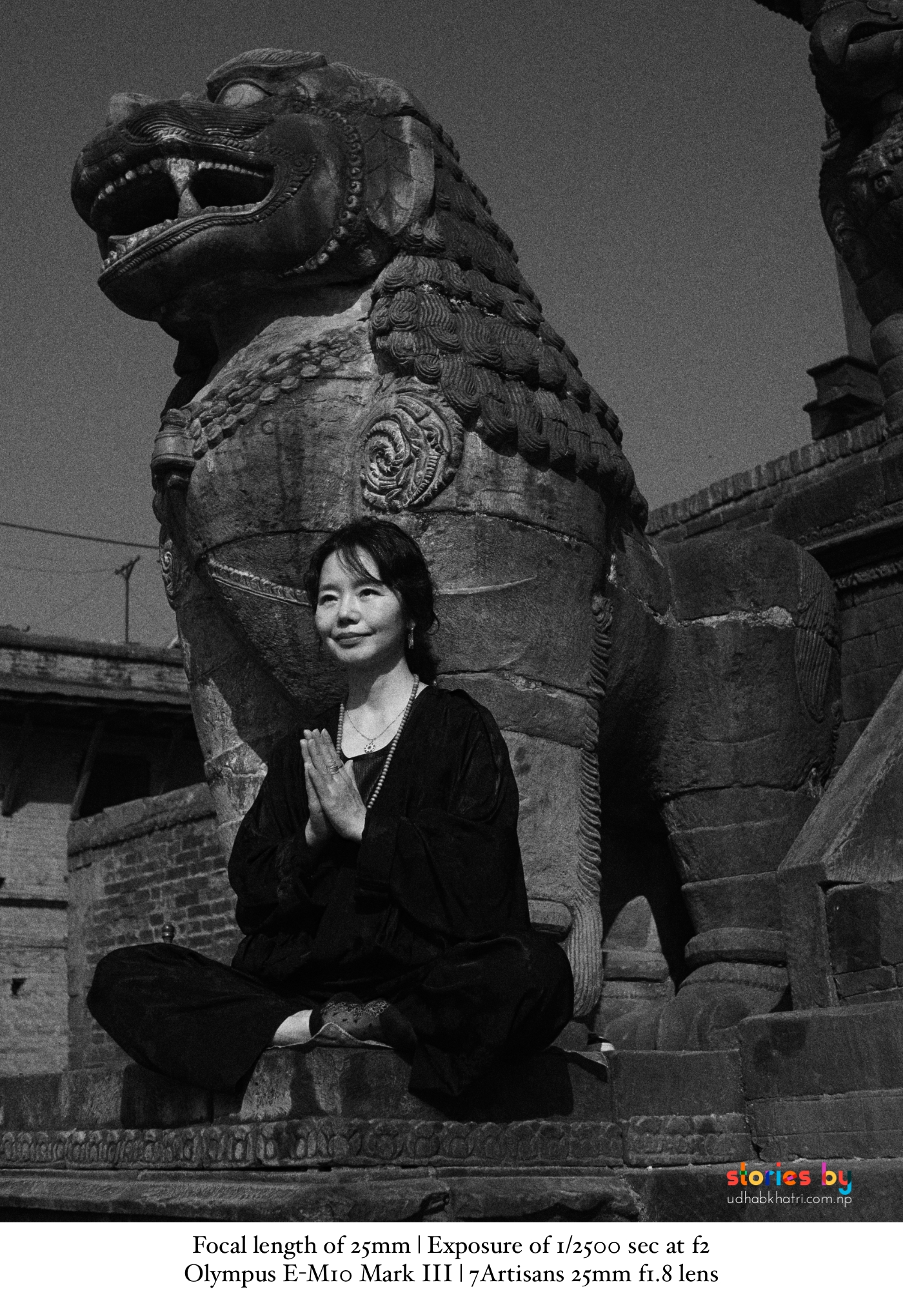
You don’t need to chase golden hour — but you should understand how time changes behavior.
- Early morning brings stillness
- Midday creates harsh contrast and graphic shapes
- Evening introduces artificial light and movement
- Night simplifies scenes by removing information
Each time of day offers a different kind of story.
Exposing for Feeling, Not Accuracy
Technically correct exposure doesn’t always lead to meaningful photographs.
- Slight underexposure can add depth
- Letting highlights blow can feel honest
- Darkness can be intentional, not a mistake
Expose for what matters emotionally, not for what the camera thinks is correct.
Let Light Choose the Frame
Instead of hunting for subjects, try this approach:
- Find interesting light first
- Stay still
- Let people enter the light
This often results in more deliberate, calmer photographs — and fewer rushed decisions.
Learning to See Light Takes Time
Light awareness develops slowly. At first, you notice it after reviewing photos. Later, you begin to anticipate it before pressing the shutter. That shift changes everything.
A Quiet Habit
The more time you spend on the street, the more light begins to guide you — without conscious effort. When that happens, photography becomes less about chasing moments and more about waiting for alignment.
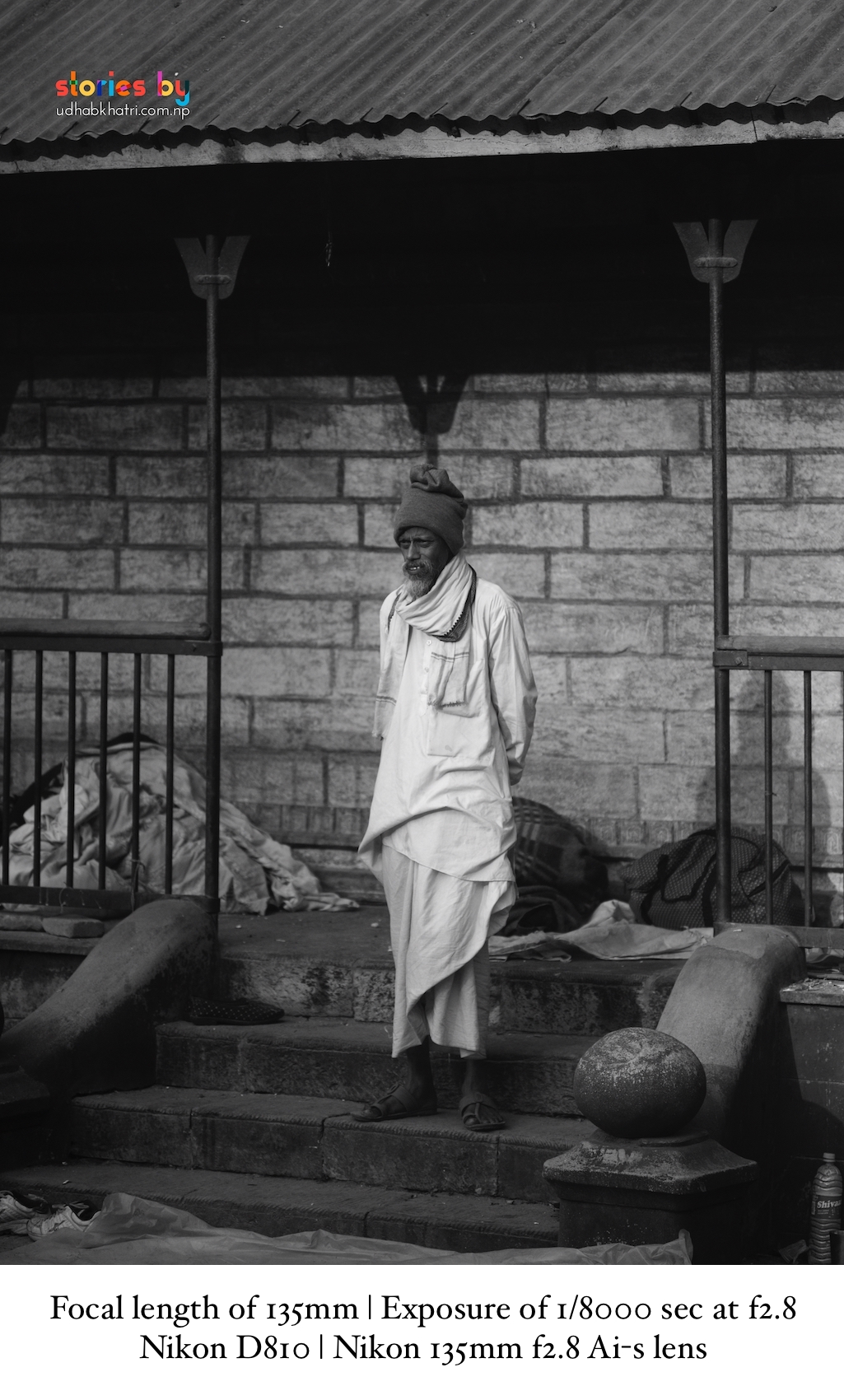
Before the Camera: The Right Mindset
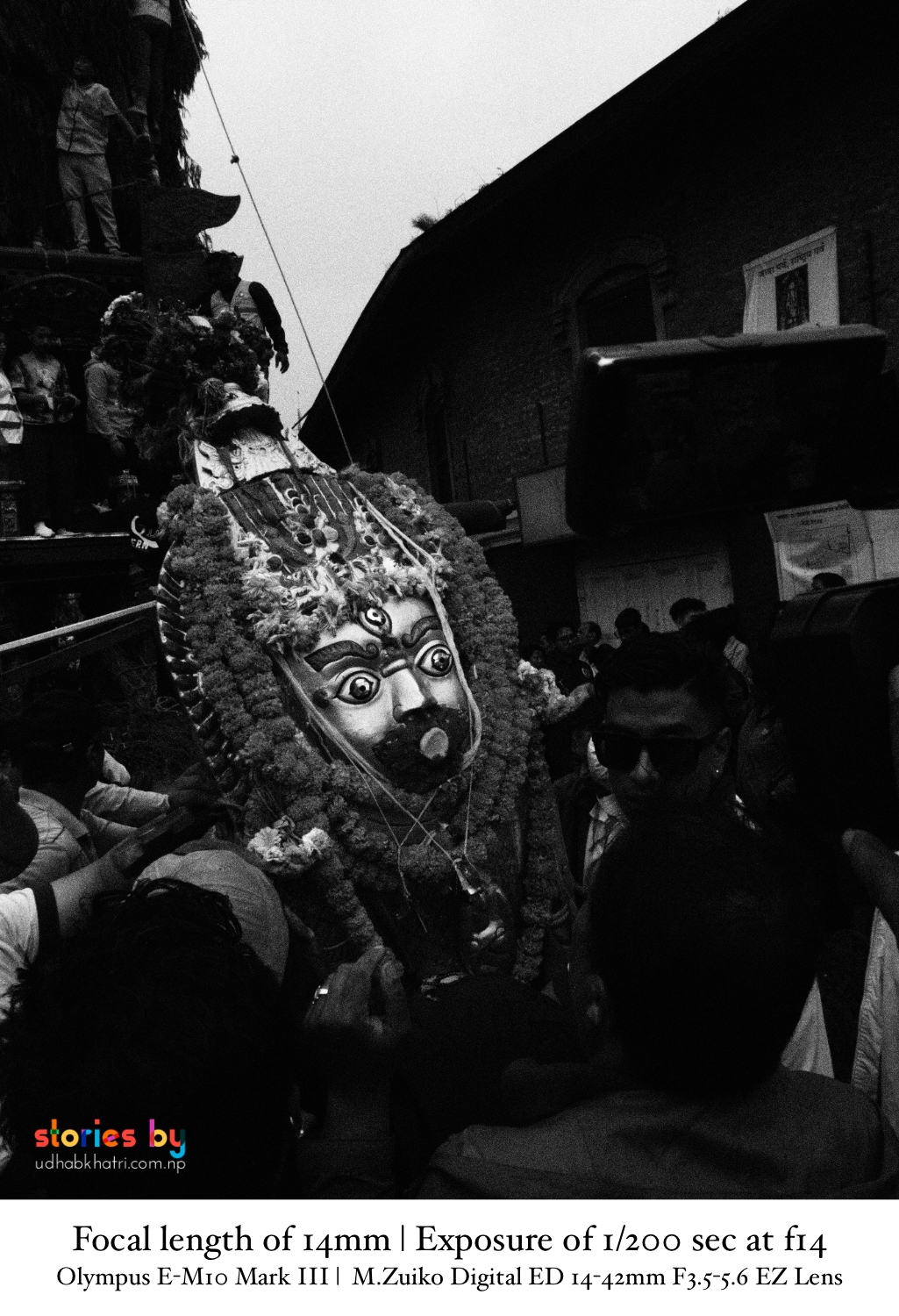
Good street photographs usually happen before the camera is raised.
- Slowing down
- Watching patterns
- Letting scenes develop instead of forcing shots
You don’t need to photograph everything you see. In fact, learning when not to shoot is part of the process. If you feel invisible on the street, you’re probably doing it right.
Gear Doesn’t Matter (But Size Does)
You don’t need expensive equipment for street photography.
- A small, lightweight camera
- A single prime lens
- Familiarity with your setup
Using one lens forces you to move, anticipate, and commit to a frame. It simplifies decisions and keeps your attention on the street instead of your bag.
Simple Camera Settings for the Street
Street photography rewards speed and readiness.
- Aperture Priority (what I prefer) or Manual
- Fast shutter speed
- Moderate aperture for depth
- Auto ISO if needed
The goal isn’t technical perfection — it’s being ready when the moment appears. Missed focus is forgivable. Missed moments aren’t.
Common Beginner Mistakes
Most beginners struggle not because of lack of skill, but because of hesitation.
- Shooting without a clear subject
- Overthinking settings
- Photographing everything instead of waiting
- Focusing on gear instead of light and timing
Street photography improves slowly, but steadily, with time spent observing.
Start Close to Home
You don’t need to travel far to make meaningful street photographs.
- Familiar routines
- Repeating characters
- Changing light
- Stories only you can access
The more familiar the place, the better your chances of seeing something deeper.
A Final Thought
Street photography isn’t about collecting photos. It’s about paying attention. If a photograph makes you pause — even briefly — it’s doing its job.