Why It Works – The Ethics of the Glance
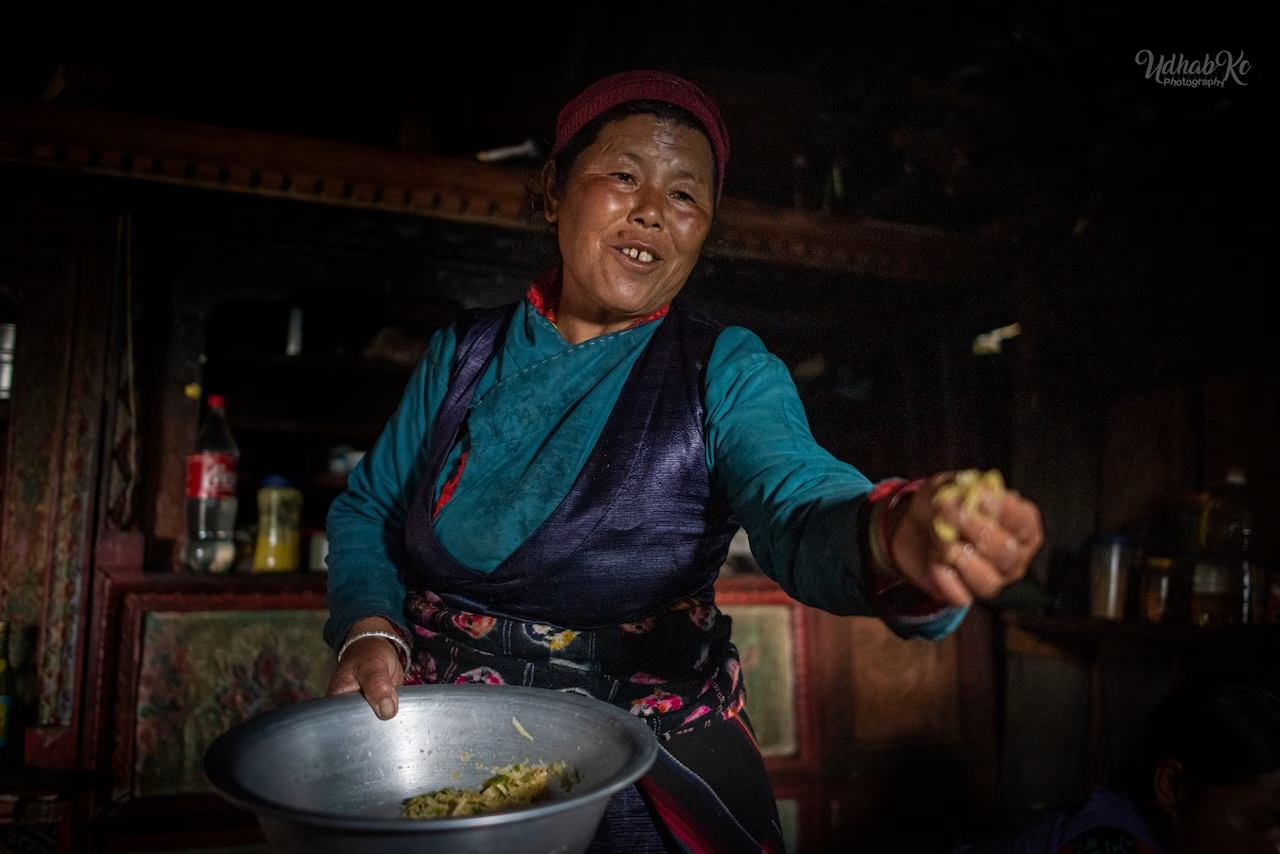
The difference between an honest photograph and an exploitative one depends on a single factor: agency. Does the person in your frame possess their own dignity and internal narrative, or have you flattened them into an ornament to show off your composition? To make your photographs resonate with lasting weight, you must stop treating the people who inhabit our city as passive, exotic scenery.
The Objectification of Routine
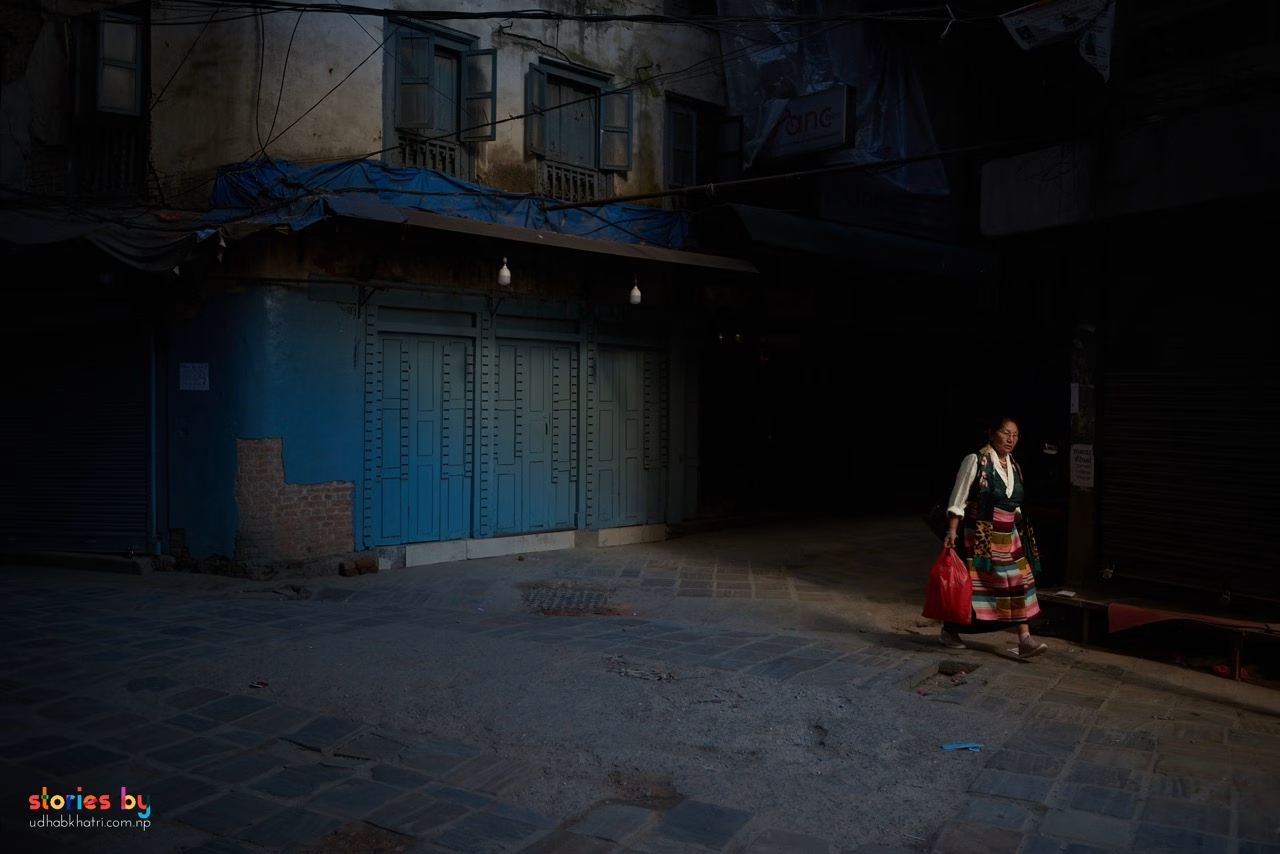
Because Kathmandu sees a constant stream of tourism, certain members of our community have been reduced to mere caricatures. Think of the street vendor carrying an enormous load of broomsticks, the elderly grandmother sitting on a pati wrapped in a traditional shawl, or the manual laborer resting on a dusty curb. These are real human beings managing complex lives, yet photographers often view them merely as indicators of "local flavor."
When you shoot someone from a high angle while they are working in the dirt, or use a telephoto lens to snap a vulnerable face from thirty feet away without context, you strip away their humanity. You leave the viewer with nothing but pity or cheap sentimentality. An honest image doesn't force a subject to perform poverty or tradition; it documents their navigation of their environment with their self-worth left completely intact.
What the Masters Can Teach Us
The masters who handled human subjects with profound impact understood that a camera must cooperate with a subject’s energy, even in a fleeting candid encounter.
Bruce Gilden (The Confrontational Equalizer): Gilden is famous for getting incredibly close to people in New York, firing a flash directly into their faces. While highly controversial, Gilden’s defense is valid: he never hides. He operates with total transparency. He doesn't sneak shots from a distance with long lenses like a voyeur. His subjects are fully aware of the camera, and their direct, aggressive reactions give them a fierce, unfiltered presence in the final frame.
Dorothea Lange (The Power of Collaborative Dignity): Lange’s documentary work during the Depression set the gold standard for empathetic photography. Even in moments of absolute hardship, her subjects never look helpless. She carefully paid attention to posture, the strength in a subject's hands, and lines of sight. Lange teaches us that a photograph should never make a subject look like a victim of their circumstances; it should focus on their resilience within those circumstances.
Gordon Parks (The Insider Lens): Parks used his camera to fight racial and social inequality. His secret weapon was time. He embedded deep inside communities, understanding their daily realities before making images. He proved that an image carries immense authority when the photographer values the subject's story more than the graphic composition of the shot itself.
The Rules of Respect: The Honest Frame
To ensure your street work remains ethical and artistically valid, implement these critical boundaries on your next walk:
Field Guardrails: Dos and Don'ts
Do look for self-possession: Seek out moments where people are actively asserting themselves—a shopkeeper commanding their storefront, an activist speaking at a rally, or a group of friends laughing loudly on a public bench. Capture them as active participants in the city, not passive props.
Do put yourself in their position: Before pressing the shutter button, ask yourself: If a stranger took this exact photo of me or my family member and put it on the internet, would I feel respected or exposed? If the answer is exposed, lower your camera.
Don't shoot people in clear distress: Do not photograph people who are experiencing severe personal crises, mental breakdowns, or moments of profound vulnerability on the pavement. Capturing someone at their absolute lowest point for the sake of an "edgy" portfolio isn't art; it’s exploitation.
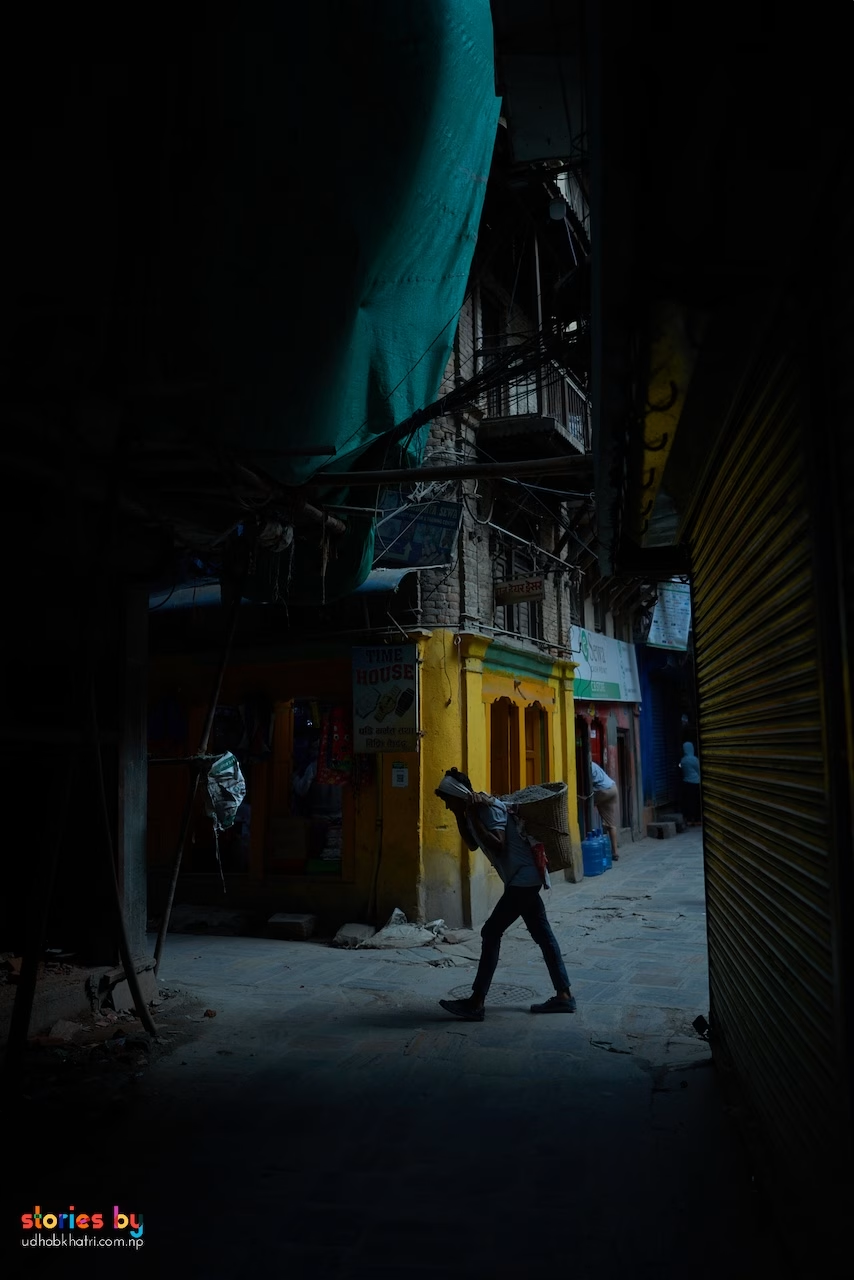
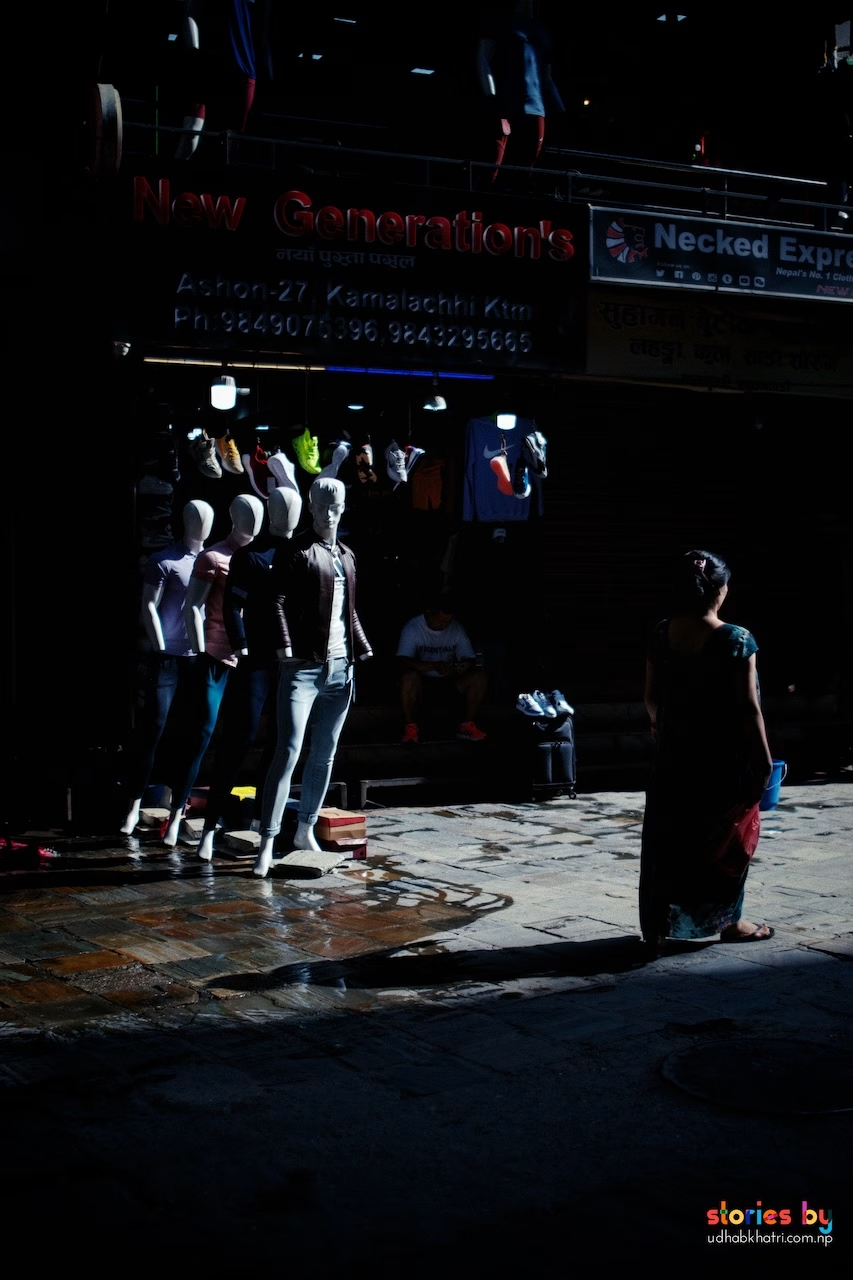
Don't steal portraits from afar: Avoid relying on a 200mm lens to snipe candid shots from across the street so you don't have to interact with people. If you aren't close enough to speak to your subject, you aren't close enough to truly understand the texture of the scene. Try using 24mm to 50mm lens so that you can frame your subject with the environment they are in. I personally prefer 28mm focal length.
How to Implement It: The Agency Audit
Review your recent image library and perform a tough, honest self-audit. Look closely at your favorite photos featuring local people and ask yourself this single question:
Is the person the primary driver of the story, or are they just a convenient pop of color or texture in my composition?
If you remove the person from the frame and the photo loses its entire emotional heart, you have succeeded—you've captured a true subject. But if they could be replaced by any generic shadow or colorful object without changing the actual point of the photo, you have objectified them. Elevate your practice by letting the human soul dictate the structure of your frame, ensuring your camera acts as an honest mirror to the street rather than an exploitative lens.