Pashupatinath,
the eternal threshold
Where life, death, and devotion meet openly along a holy river
Pashupatinath is not a monument you simply visit — it is a place you walk through, slowly, with your eyes and your respect fully open. This ancient Hindu temple complex, spread along the banks of the sacred Bagmati River, is the spiritual heart of Nepal and one of the most significant Shaiva pilgrimage sites in the world. For a photographer, it offers a profound visual record of faith, mortality, and the everyday rituals that accompany both.
Gujeshwori Temple & the Riverbank
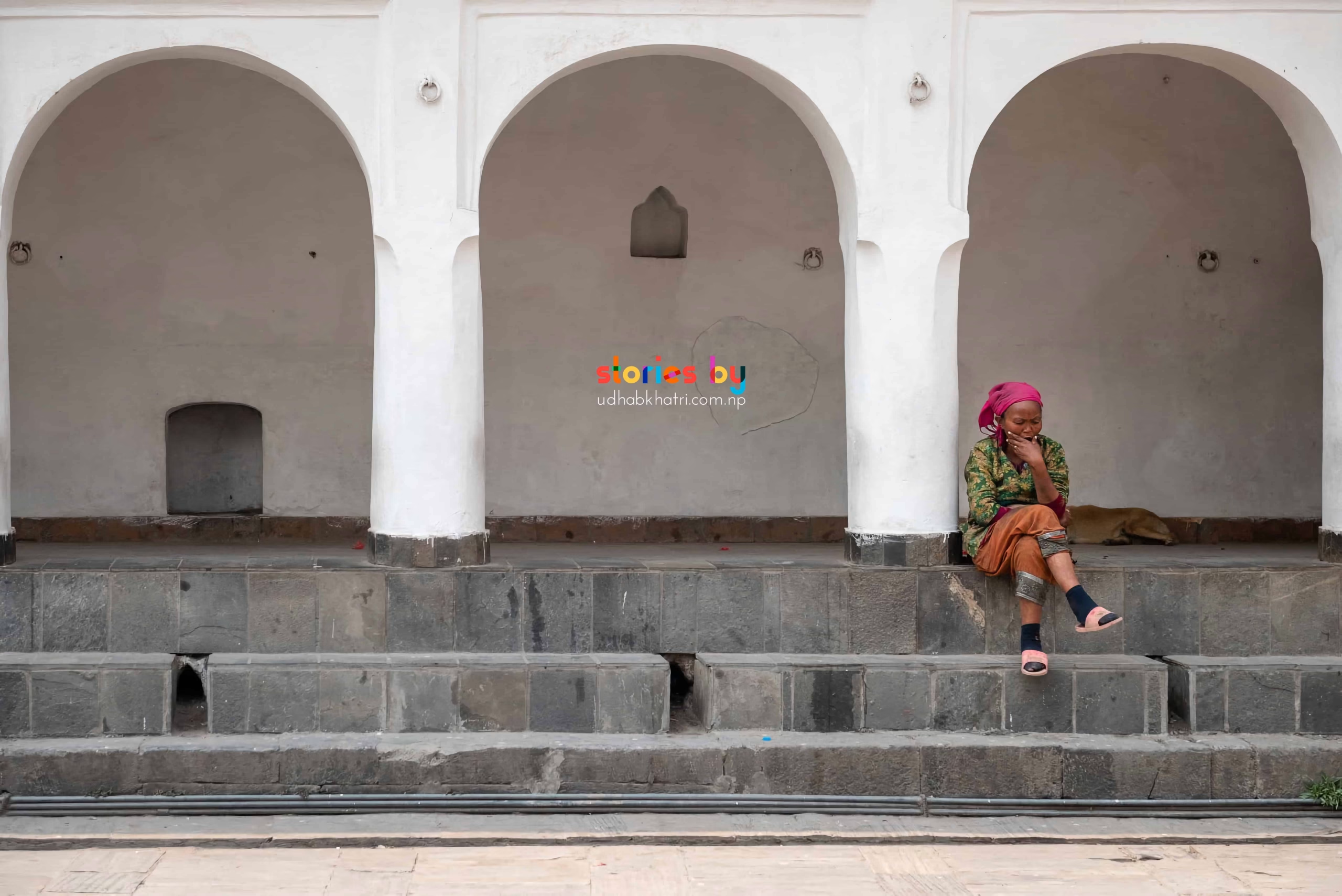
If you are walking from Boudhanath — a highly recommended 30-minute route through local market lanes — you will naturally arrive at the western edge of the Pashupatinath complex, near the Gujeshwori Temple. This is one of the revered Shakti Peethas, a temple dedicated to the goddess Gujeshwori, and it sits right at the riverbank. While non-Hindus cannot enter the inner sanctum, the outer courtyard and the riverbank itself are open to everyone and offer immediate, intimate glimpses of ritual life: devotees washing in the Bagmati, offering flowers, and lighting oil lamps.
The riverside here is quieter than the main ghats to the east, making it a gentle introduction to the rhythm of the complex. Use a standard zoom or a normal prime to capture the interplay of water, stone steps, and worshippers in the morning light.
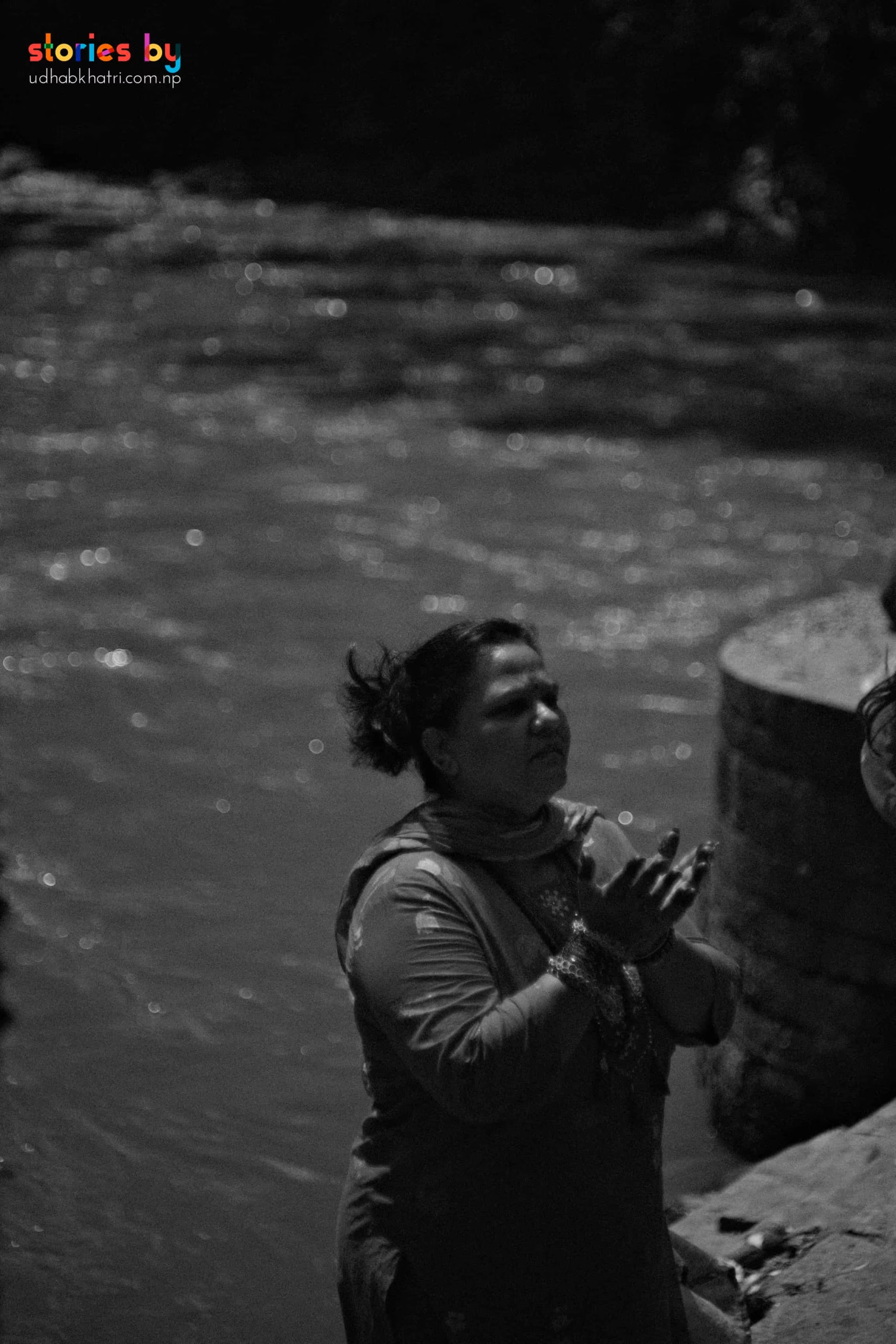
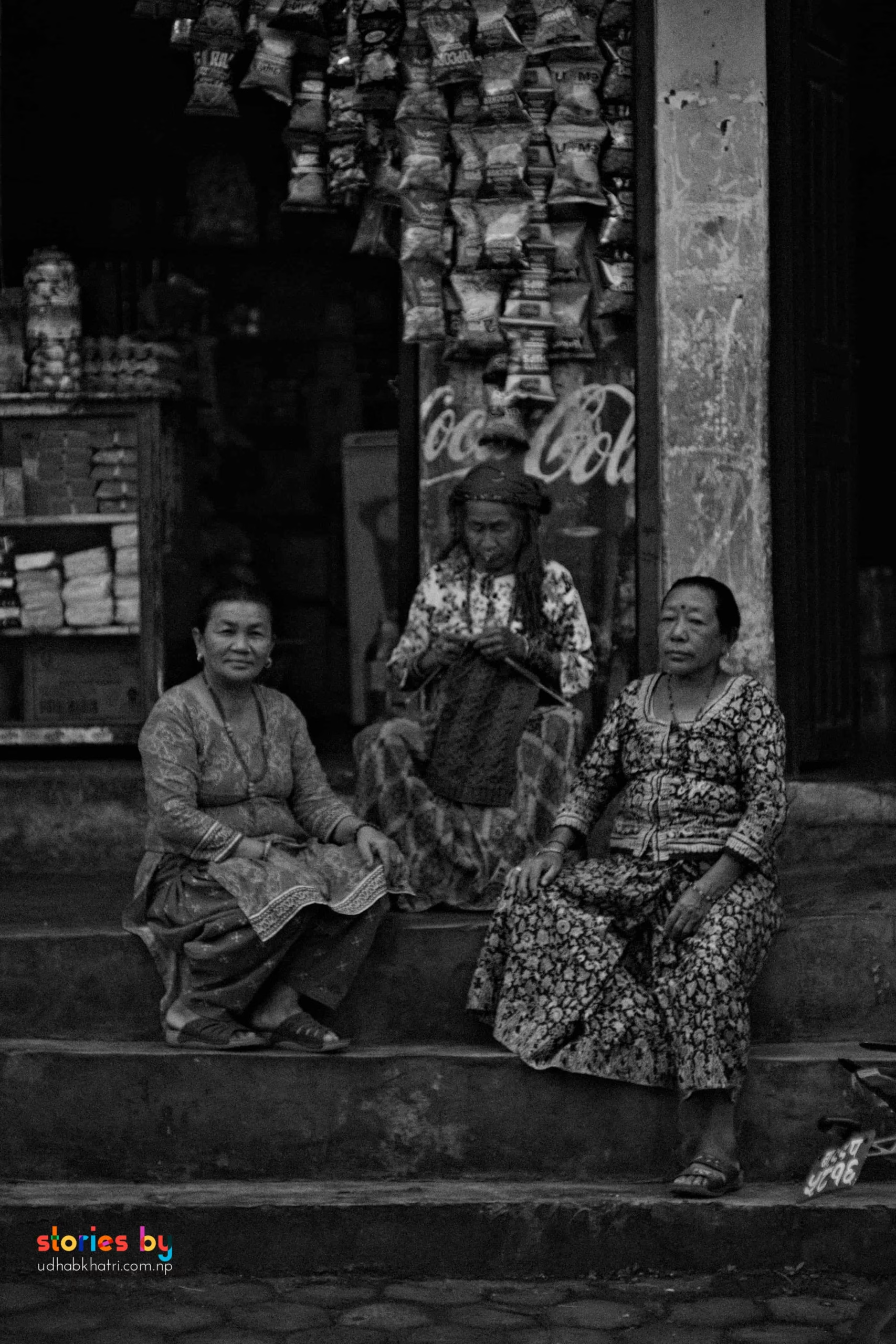
The 30-minute walk from Boudhanath is a street-photography opportunity in its own right. You'll pass through local chowks, vegetable markets, and small shrines. A 35mm lens is ideal for capturing the transition from the Tibetan Buddhist atmosphere of Boudha to the Hindu spiritual intensity of Pashupati.
The Long Staircase, Biswarupu Temple & Deer Park
From the Gujeshwori side, a long stone staircase climbs the densely wooded hill that forms the western backdrop of the Pashupatinath complex. This is a path used by pilgrims for centuries, and it rewards those who take it slowly. Halfway up, you will find the Biswarupu Temple — a small, atmospheric shrine (note: non-Hindus are not permitted inside, but the exterior and the surrounding forest are photographically rich).
At the top of the hill, the atmosphere changes completely. The dense canopy opens to a series of small Shiva shrines, stone carvings, and a peaceful Deer Park where spotted deer roam freely. The quiet up here, after the sensory intensity of the riverbank below, is remarkable — and it offers a rare opportunity to photograph the forested, contemplative side of the Pashupatinath complex, far removed from the crowds.
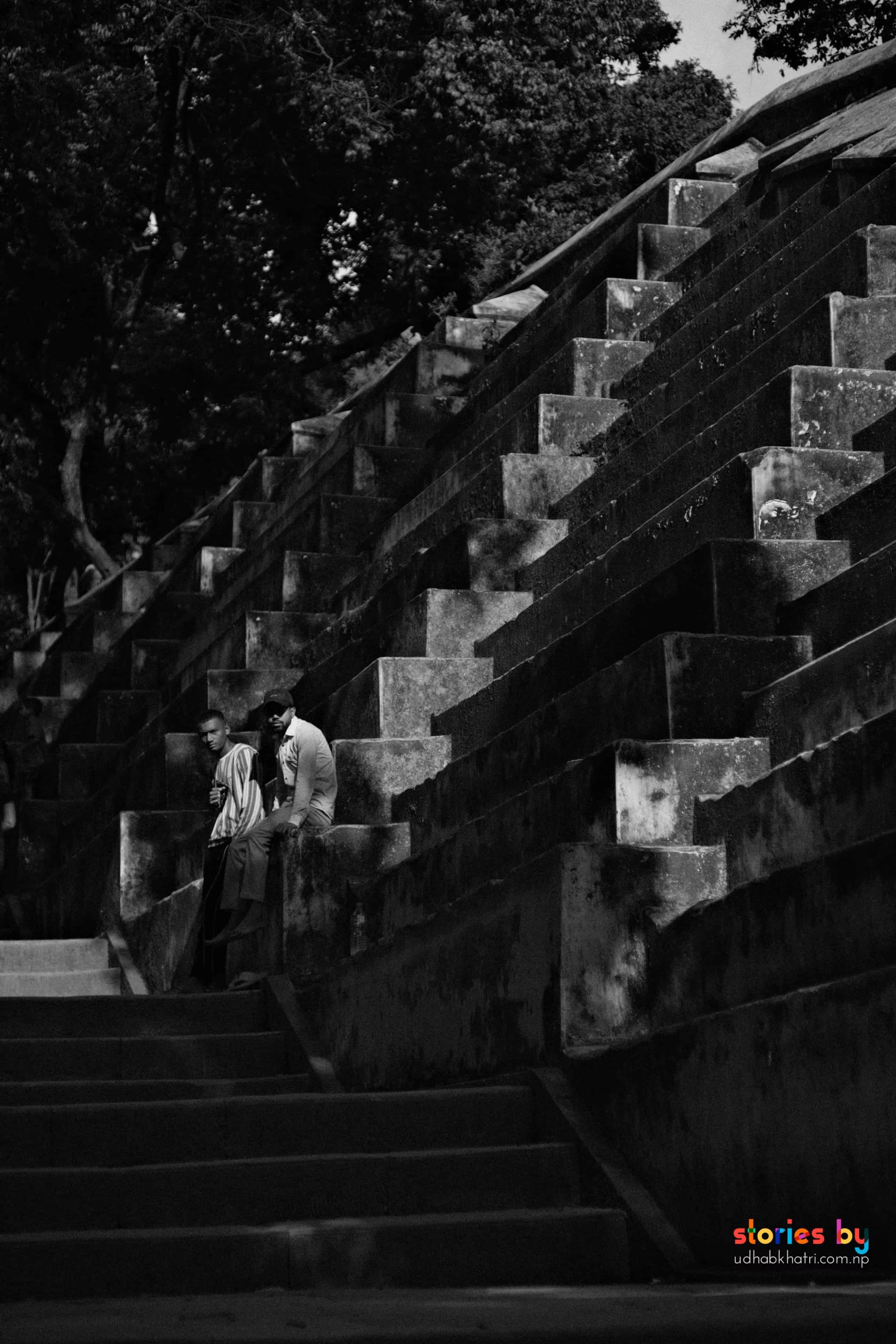
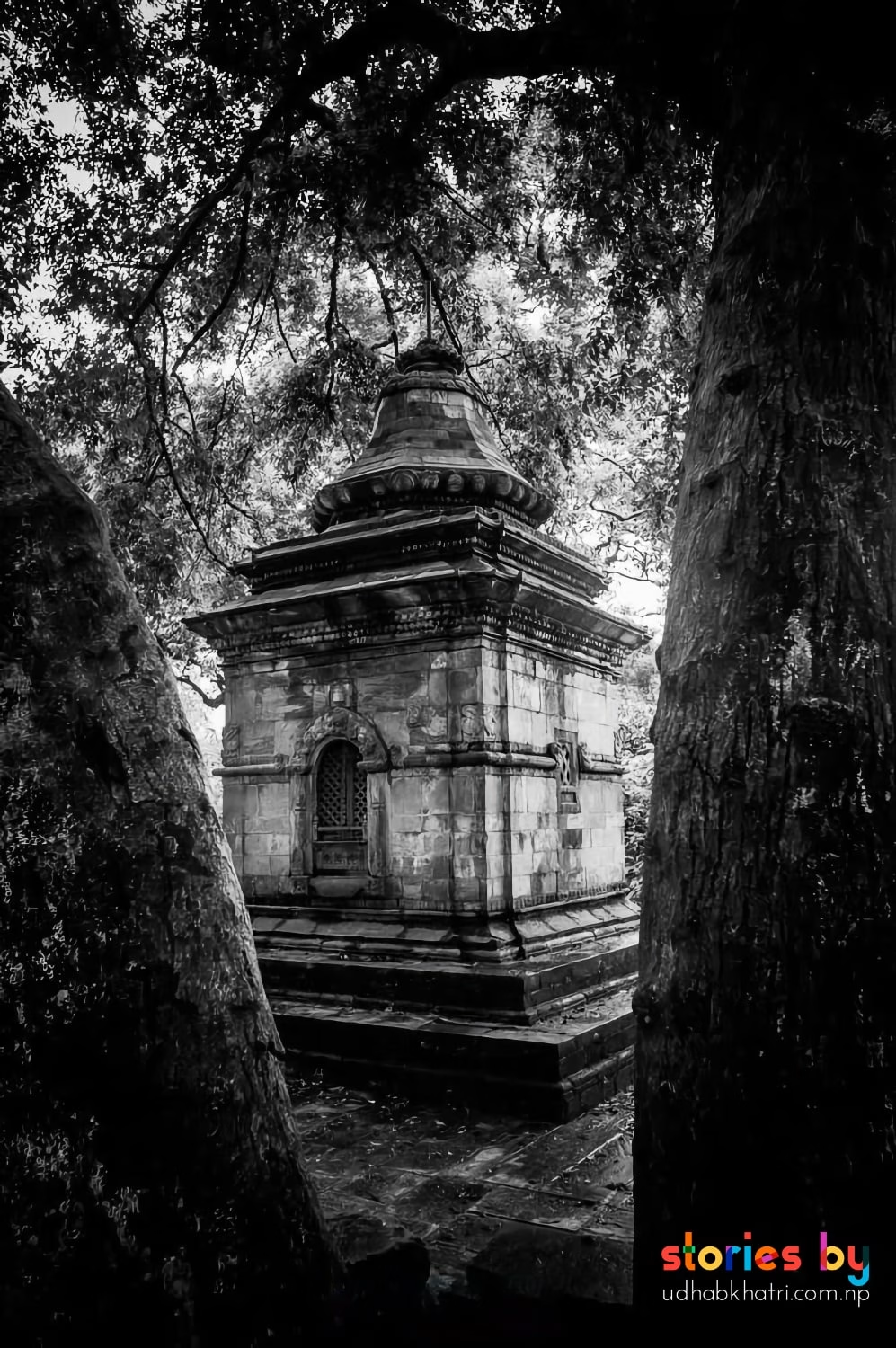
The staircase offers strong vertical leading lines. Shoot from below looking up to compress the steps, or from above to capture the descent and the distant river. The filtered forest light works beautifully for portraits of pilgrims ascending, especially with a fast prime lens (50mm f/1.8).
The Grand Viewpoint of Pashupatinath
Descending the eastern side of the hill, you emerge at a wide, open viewpoint directly opposite the main Pashupatinath temple. This is the single best vantage point to take in the full architectural sweep of the complex: the golden roofs of the main temple, the rising smoke from the cremation ghats further downstream, and the curved course of the Bagmati River cutting through the scene. There is a small tea shop here, and it is a welcome place to rest and plan your compositions.
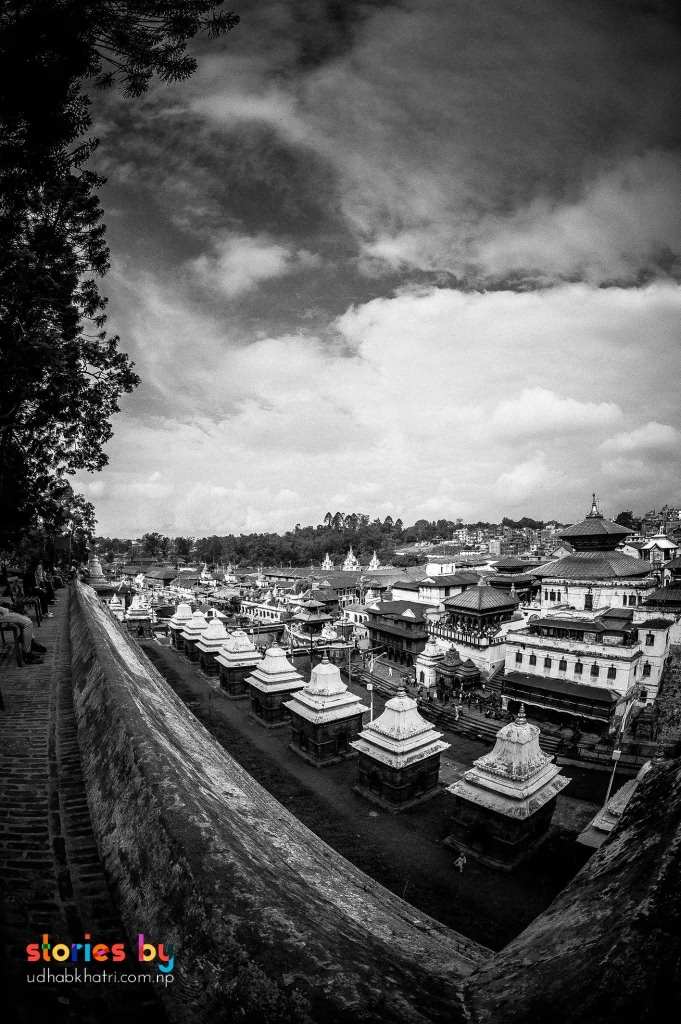
From this spot, the main temple — dedicated to Pashupati, the Lord of Animals, a form of Shiva — sits majestic across the river. Non-Hindus are strictly not allowed inside, but the exterior architecture and the surrounding activity provide endless visual material. A telephoto lens (70-200mm) is invaluable here to isolate details: the golden finials, the carved struts, the sadhus on the steps, the rising smoke.
Use a tripod or steady your camera on the railing for a panoramic stitch of the entire complex. In the late afternoon, the warm light illuminates the temple roofs directly, and the air thickens with incense and smoke, adding dramatic atmosphere. A telephoto close-up of the golden spire against a smoky background can be extraordinary.
The Bagmati Ghats & Cremation Site
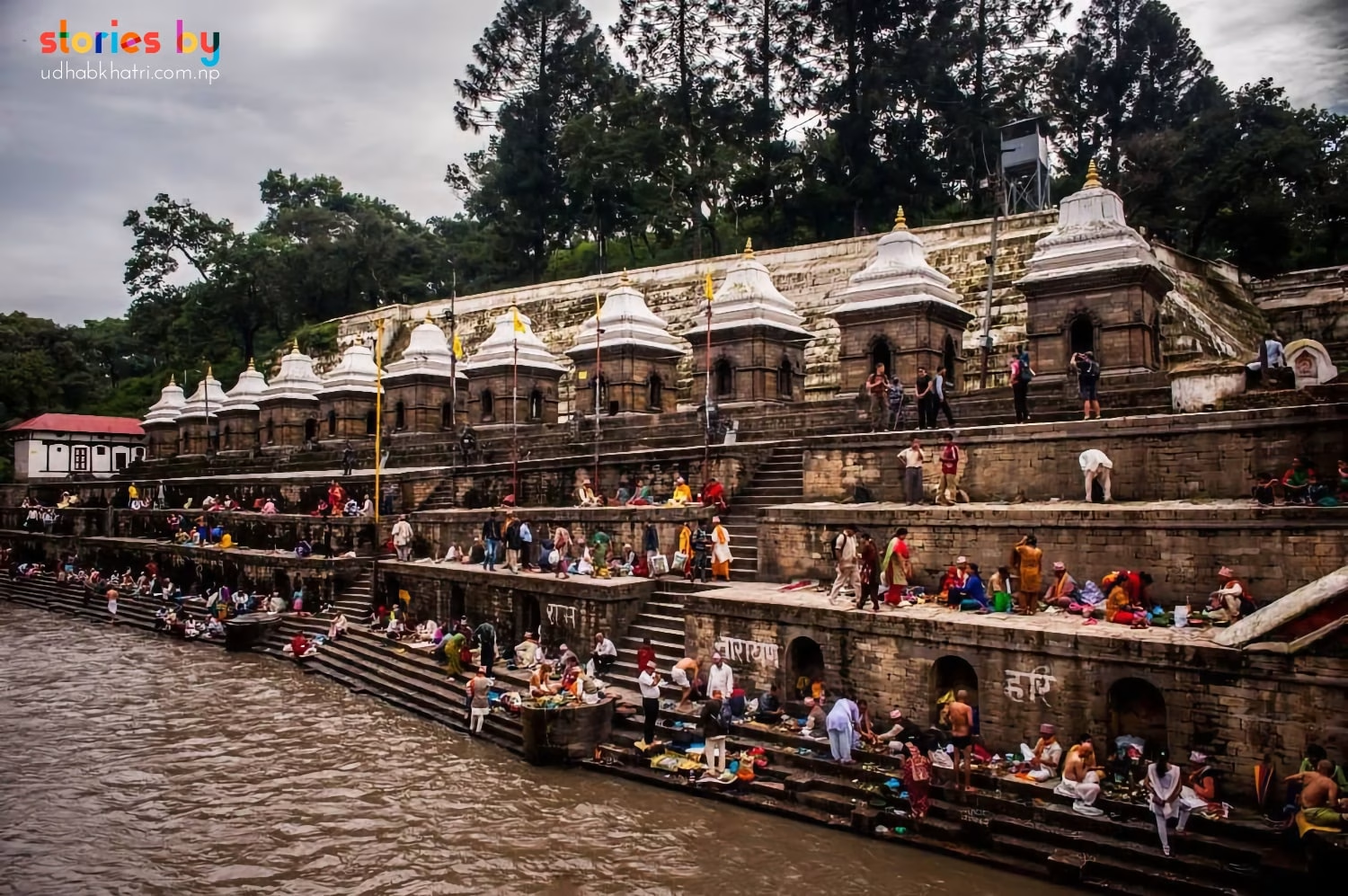
Walking down from the viewpoint to the river, you reach the central ghats — the stone steps that lead directly into the Bagmati River. This is where the most publicly visible rituals of Pashupatinath take place: the ritual bathing of the dead, the preparation of funeral pyres, and the cremations themselves. It is a place of immense emotional weight, and it demands absolute respect and discretion from every photographer.
Do not get physically close to the cremation platforms. Do not photograph the faces of the deceased or grieving families in close-up. The best and most respectful photographs are taken from the opposite bank of the Bagmati River, where you can document the scene in its entirety — the architecture, the smoke, the priests, the families at a respectful distance — without intruding on private grief. Always keep a distance. If someone signals you to stop, lower your camera immediately.
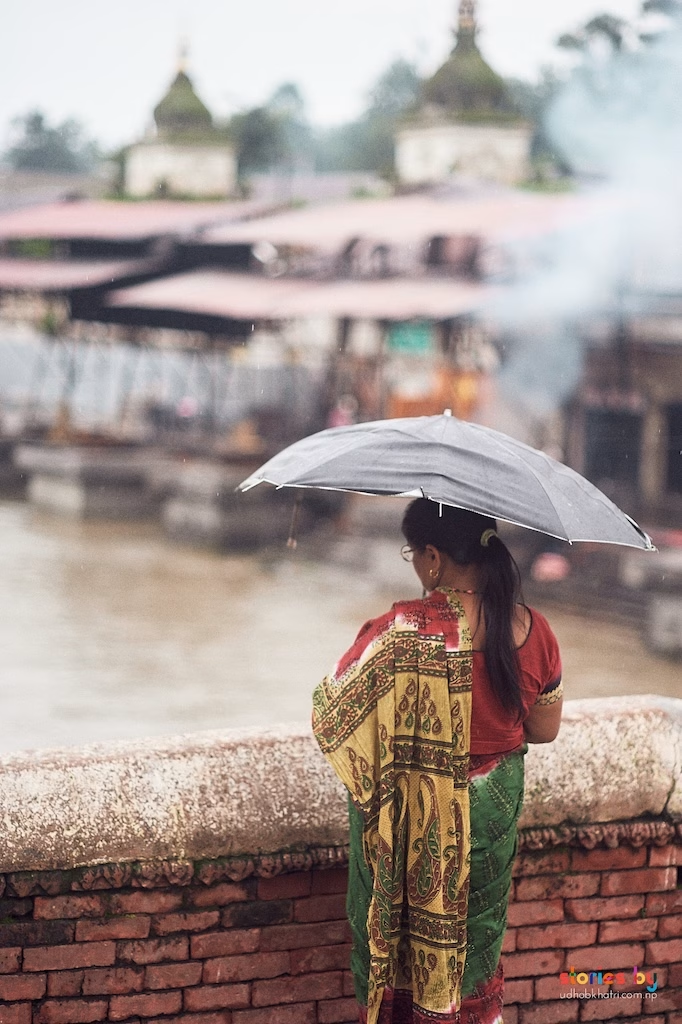
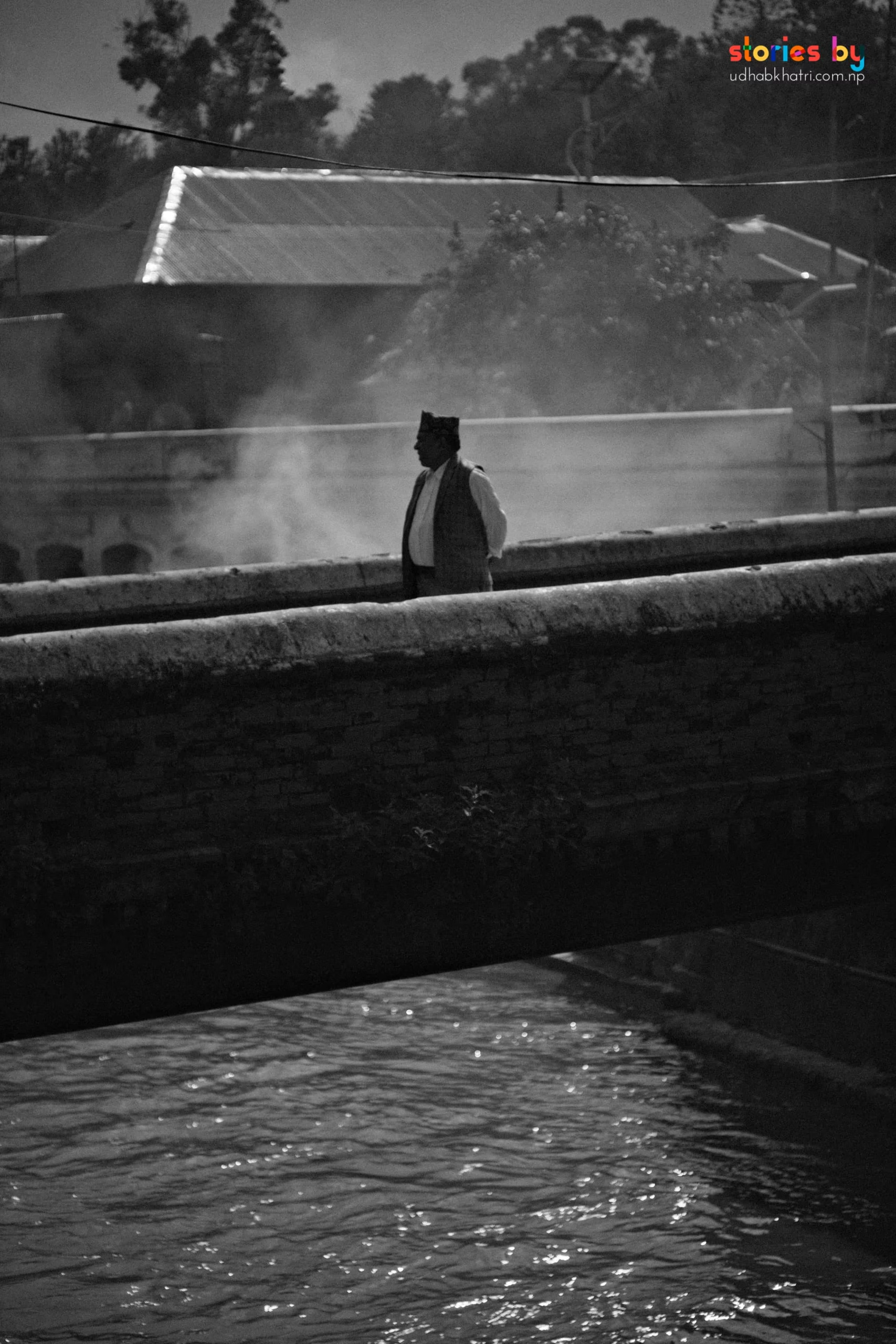
The opposite bank, accessible via a bridge a short walk upstream, is the recommended position for photographing the ghats. From there, you can use a telephoto lens to capture the layered activity along the steps: the orange robes of the sadhus, the golden temple roofs behind, the rising smoke, and the river flowing in the foreground. The combination creates images of profound narrative depth — life, death, devotion, and nature, all in one frame.
A 70-200mm lens is essential here. Shoot from the opposite bank at f/4 or f/5.6 to keep the scene sharp while blurring the foreground water slightly. The late afternoon light, combined with the smoke, creates a painterly atmosphere. Look for the contrast between the bright fire, the dark silhouettes of the attendants, and the golden temple roofs behind. Never use flash.
The Bagmati Aarati
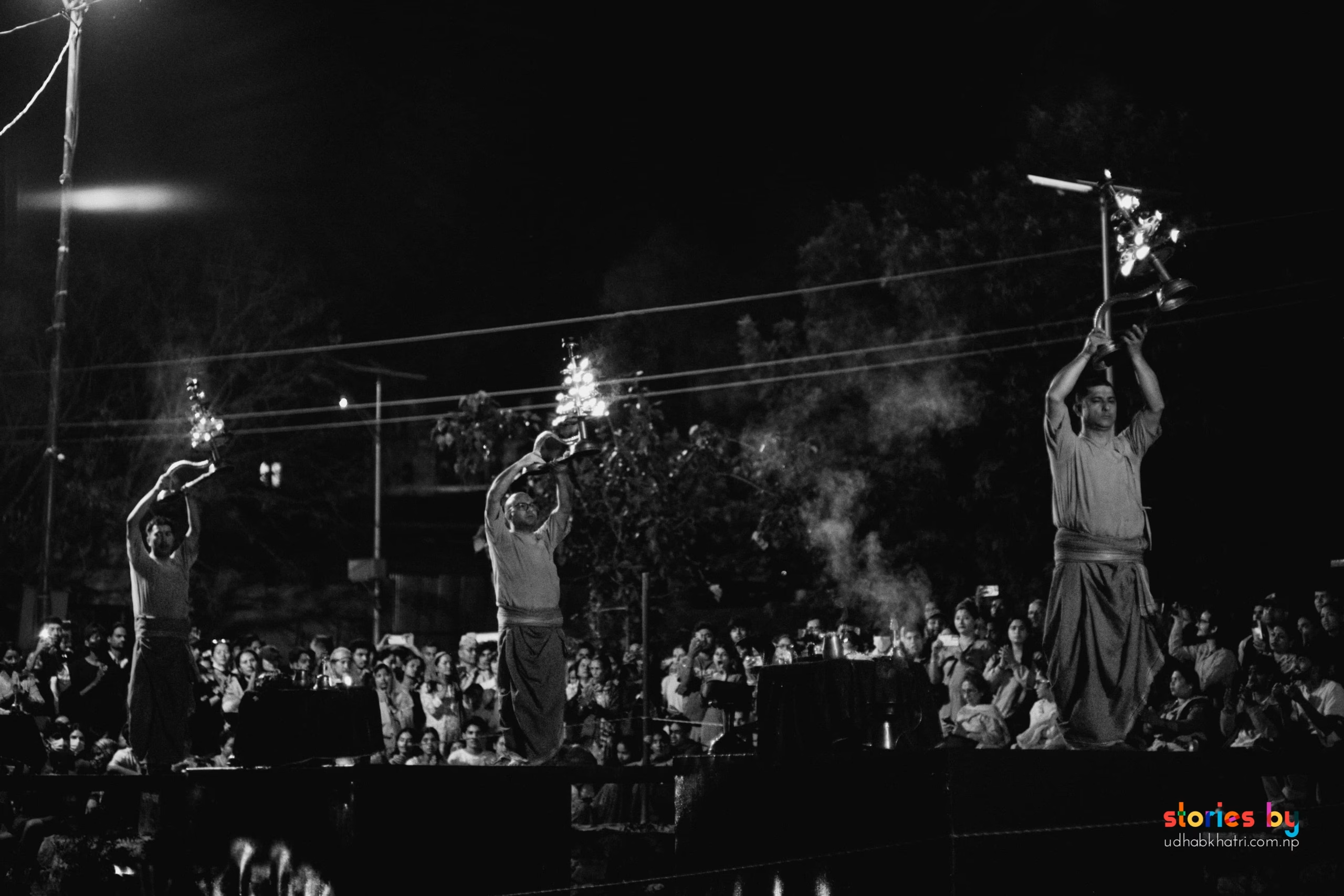
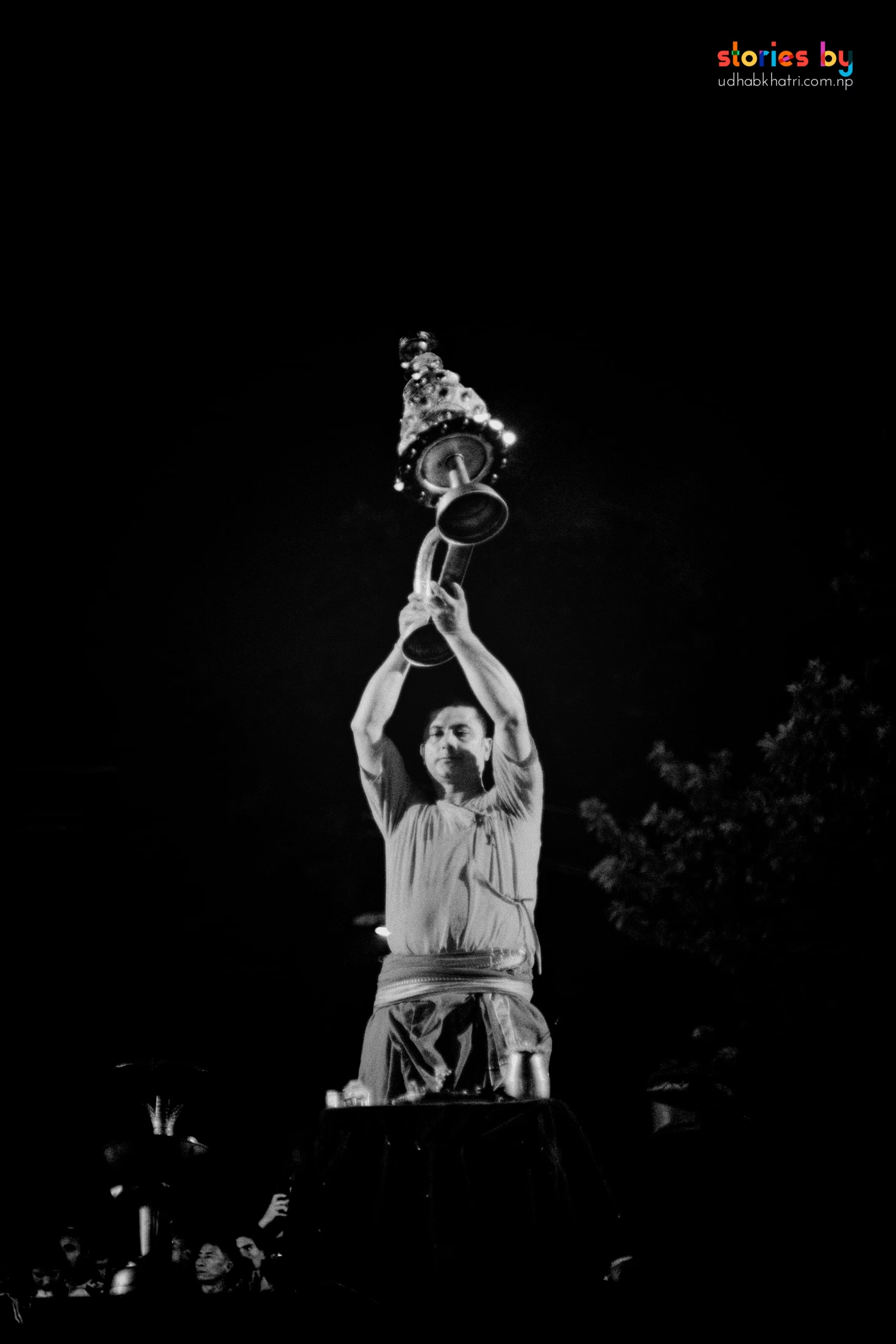
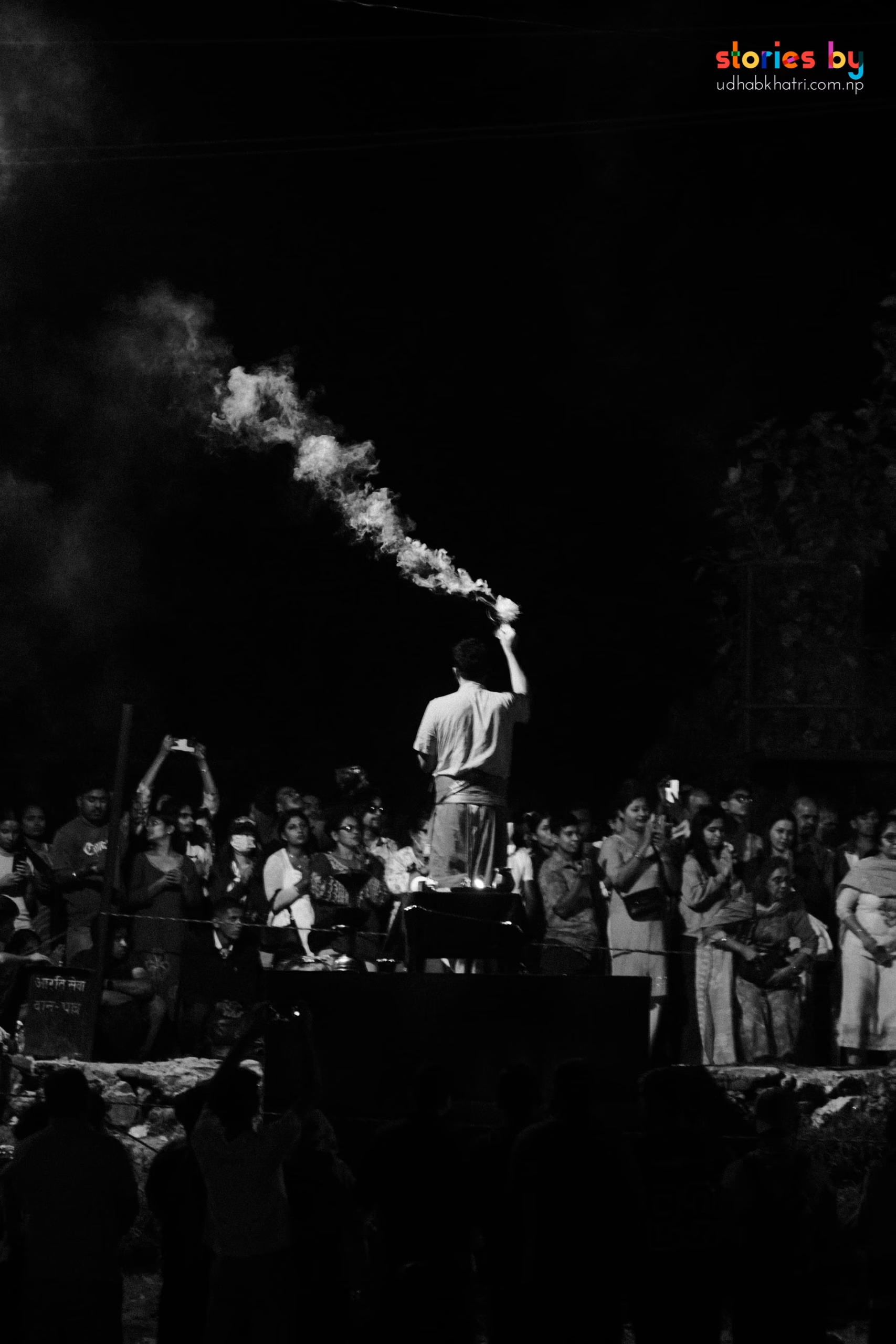
Every evening, just as the light begins to fade, the priests of Pashupatinath perform the Bagmati Aarati — a devotional ceremony of fire, oil lamps, chanting, and music held on the riverbank. The ritual is a powerful, photogenic spectacle: the rhythmic swinging of brass lamps, clouds of incense smoke, and the reflection of flames on the dark water. It draws large crowds of devotees and visitors, and the atmosphere is charged with energy.
If you want a good position, arrive early — at least 30 to 45 minutes before the ceremony begins — and secure a spot on the eastern bank, slightly elevated from the main ghats. The best photographic results come from a fast telephoto prime lens (85mm f/1.8 or 135mm f/2) that can isolate the priests against the flames and smoke, while keeping the background crowd softly blurred. Set your white balance manually to preserve the warmth of the fire; auto white balance often cools the scene too much. Shoot wide open and keep your shutter speed above 1/200s to freeze the motion of the lamps.
Position yourself at an angle to the priests, not directly in front, to capture the flame-lit faces in profile. Use spot metering on the flame or the priest's face to avoid overexposing the fire. The contrast between the bright lamps and the darkening sky is spectacular; try some frames underexposed by a stop to deepen the shadows and make the flames pop.
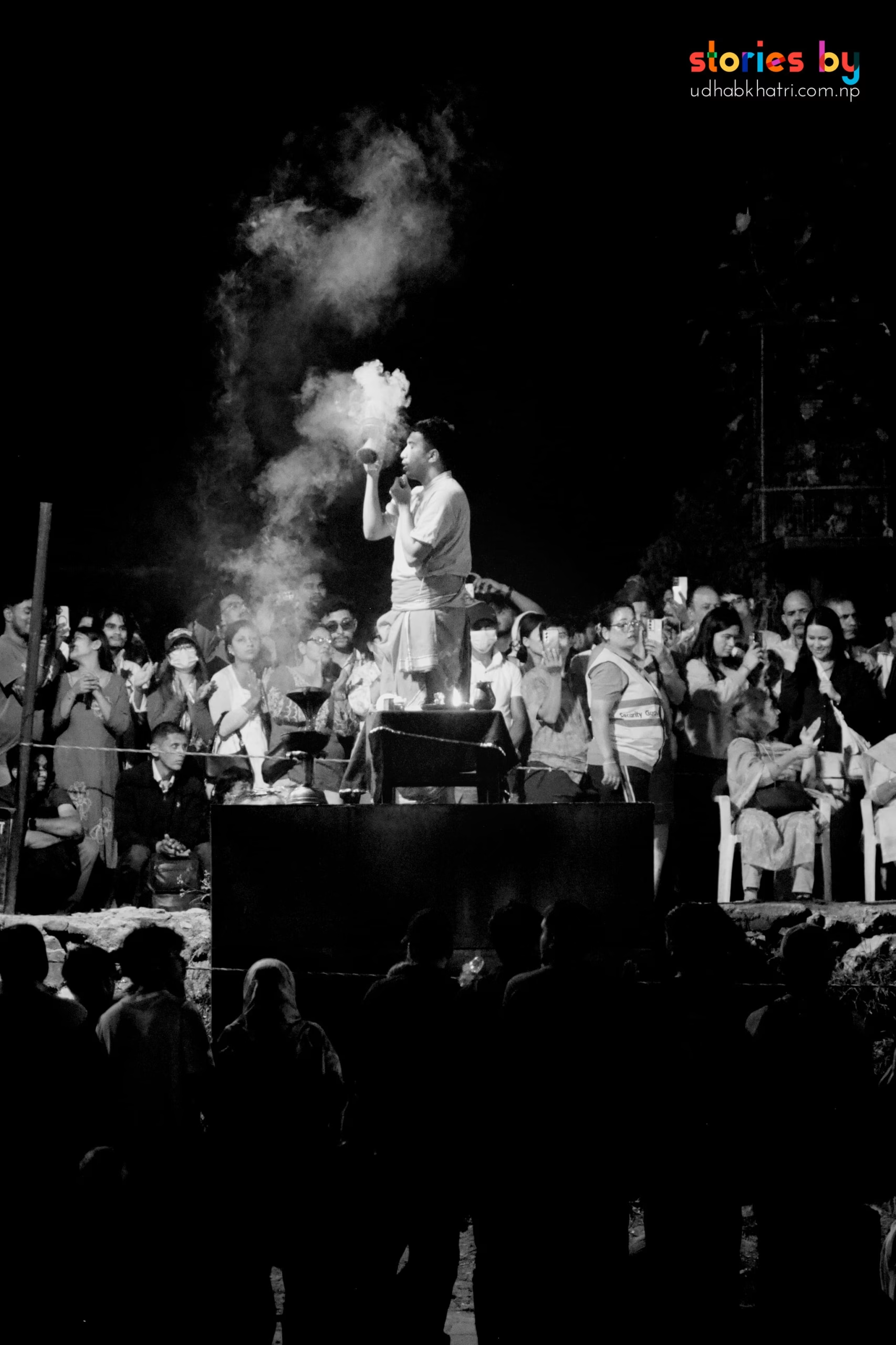
Sadhus, Ram Mandir & the View Across
On the eastern side of the river, directly opposite the main Pashupatinath temple, stands the whitewashed Ram Mandir. This temple offers a clean, elevated platform from which you can photograph the main temple across the water with a slightly different angle than the main viewpoint. The architecture of Ram Mandir itself — simple, geometric, often visited by families — provides a calmer visual counterpoint to the intensity of the ghats.
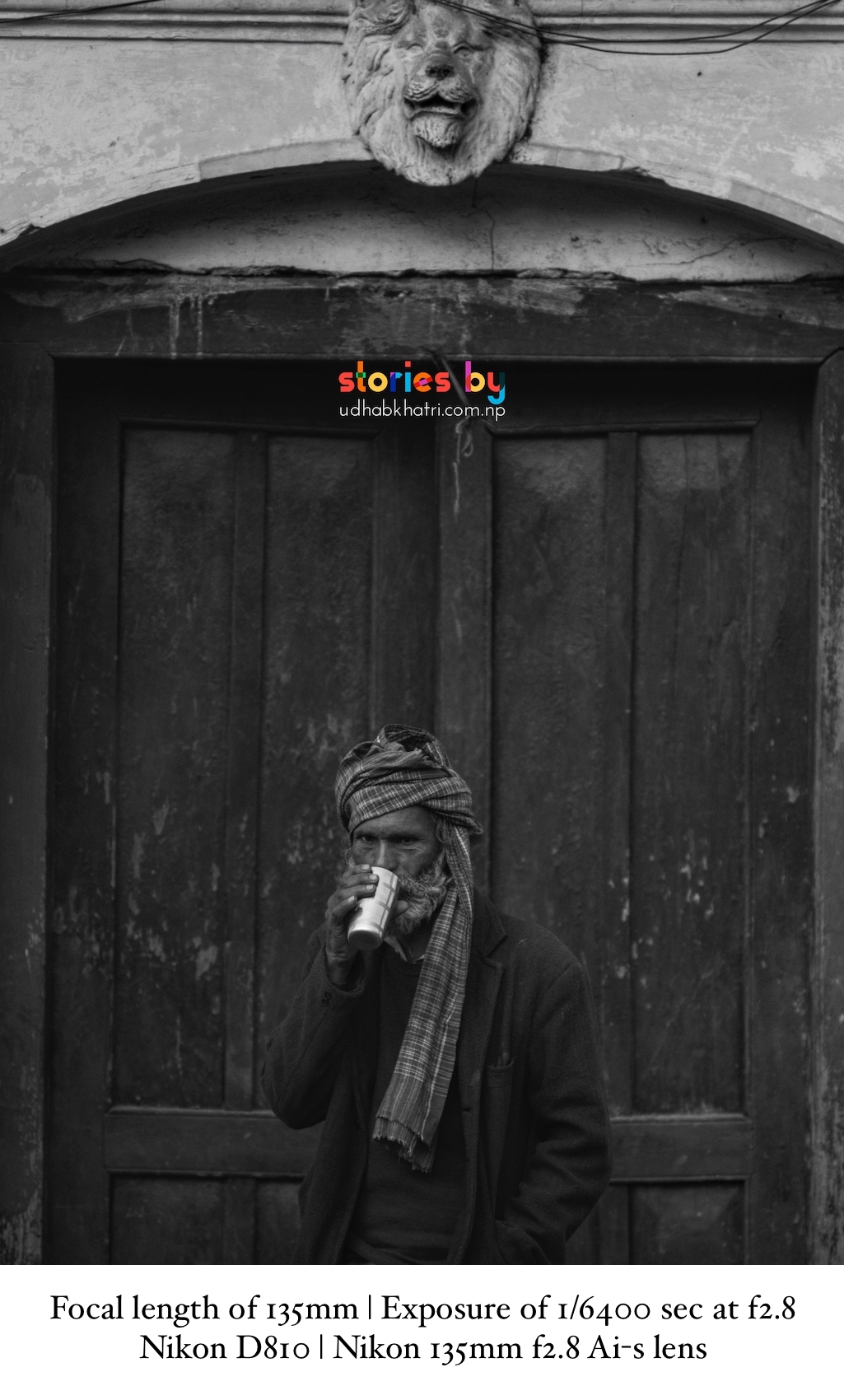
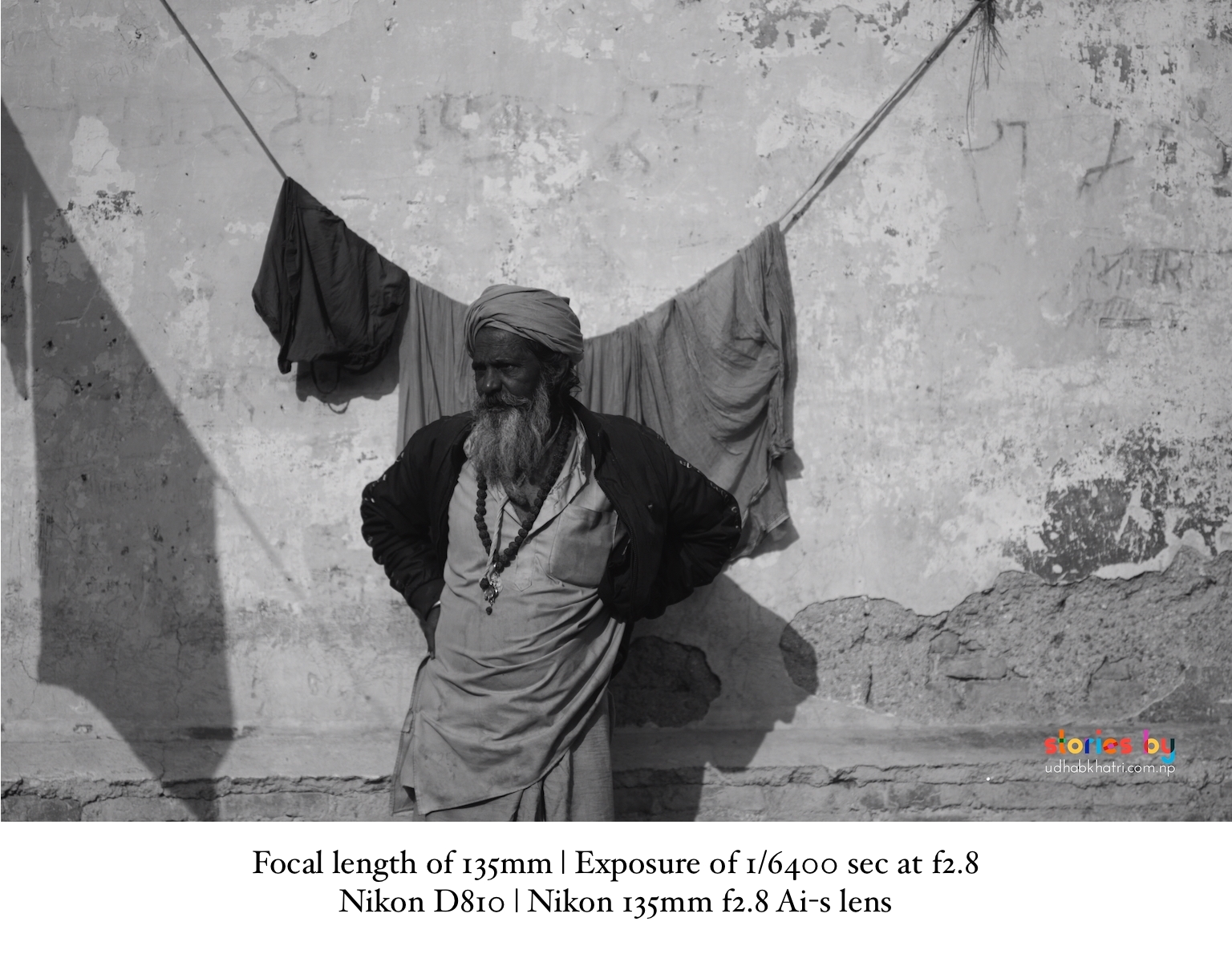
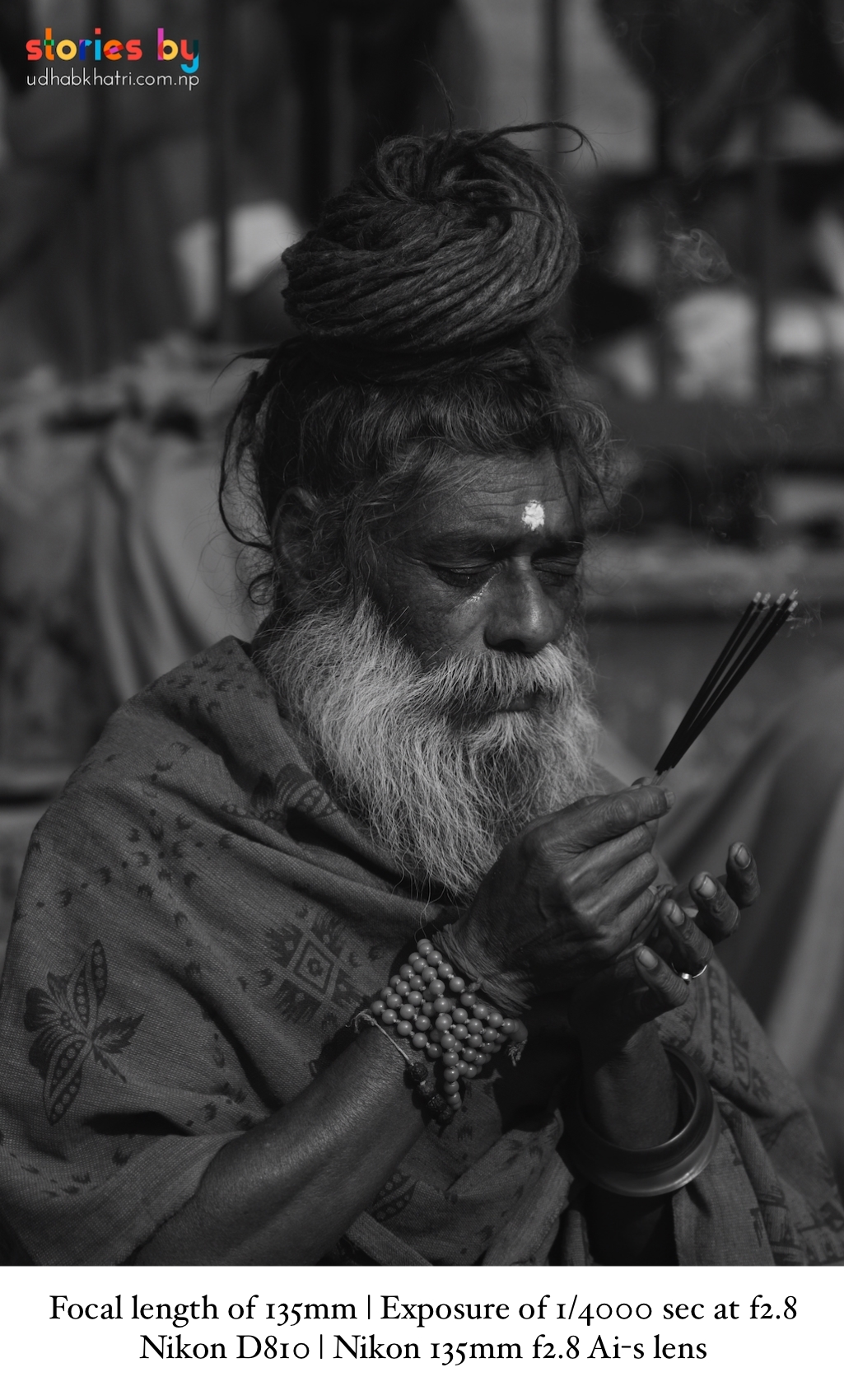
The lanes and steps around the eastern side are also where you are most likely to encounter sadhus — Hindu holy men, some clad in bright orange or saffron robes, others naked and ash-covered, their hair matted and their faces painted with devotion. They are among the most visually arresting portrait subjects in Nepal, but they come with a clear transaction: almost all will ask for money in exchange for being photographed. The asking price often starts above NPR 1,000, and it is non-negotiable. If you are prepared to pay, the opportunity for powerful, collaborative portraits is genuine. If you prefer not to, use a telephoto lens (135mm or longer) and photograph them from a distance, treating them as elements of the wider scene rather than as individual portrait subjects.
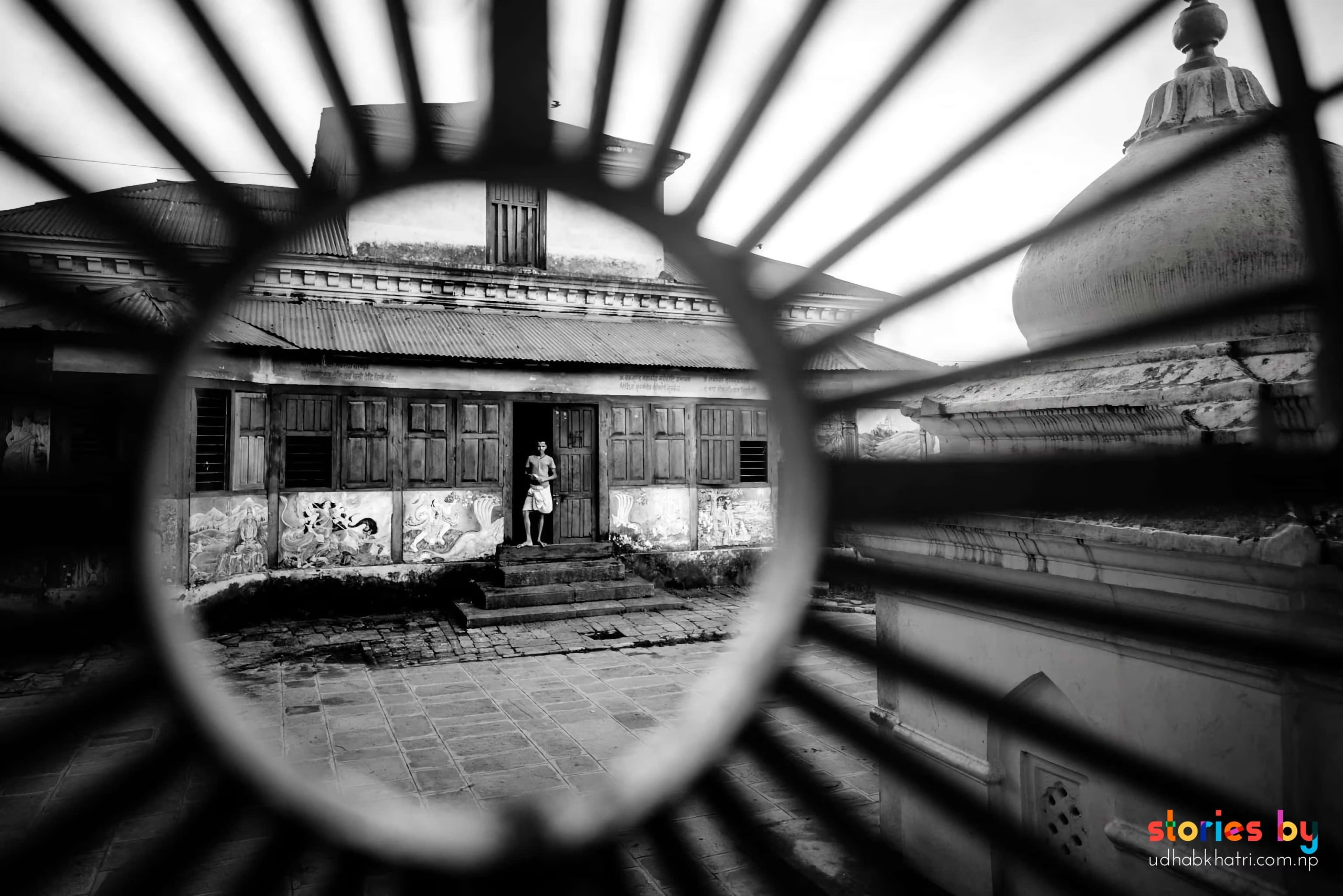
If you choose to pay for a portrait, take your time. A 50mm or 85mm prime lens, shot wide open (f/1.4–f/2.8), isolates the face and blurs the busy background. The orange robes against the grey stone steps or the green riverbank create strong colour contrasts. Be respectful, show them the image on your LCD screen, and thank them — even if a transaction, it is still a human exchange.
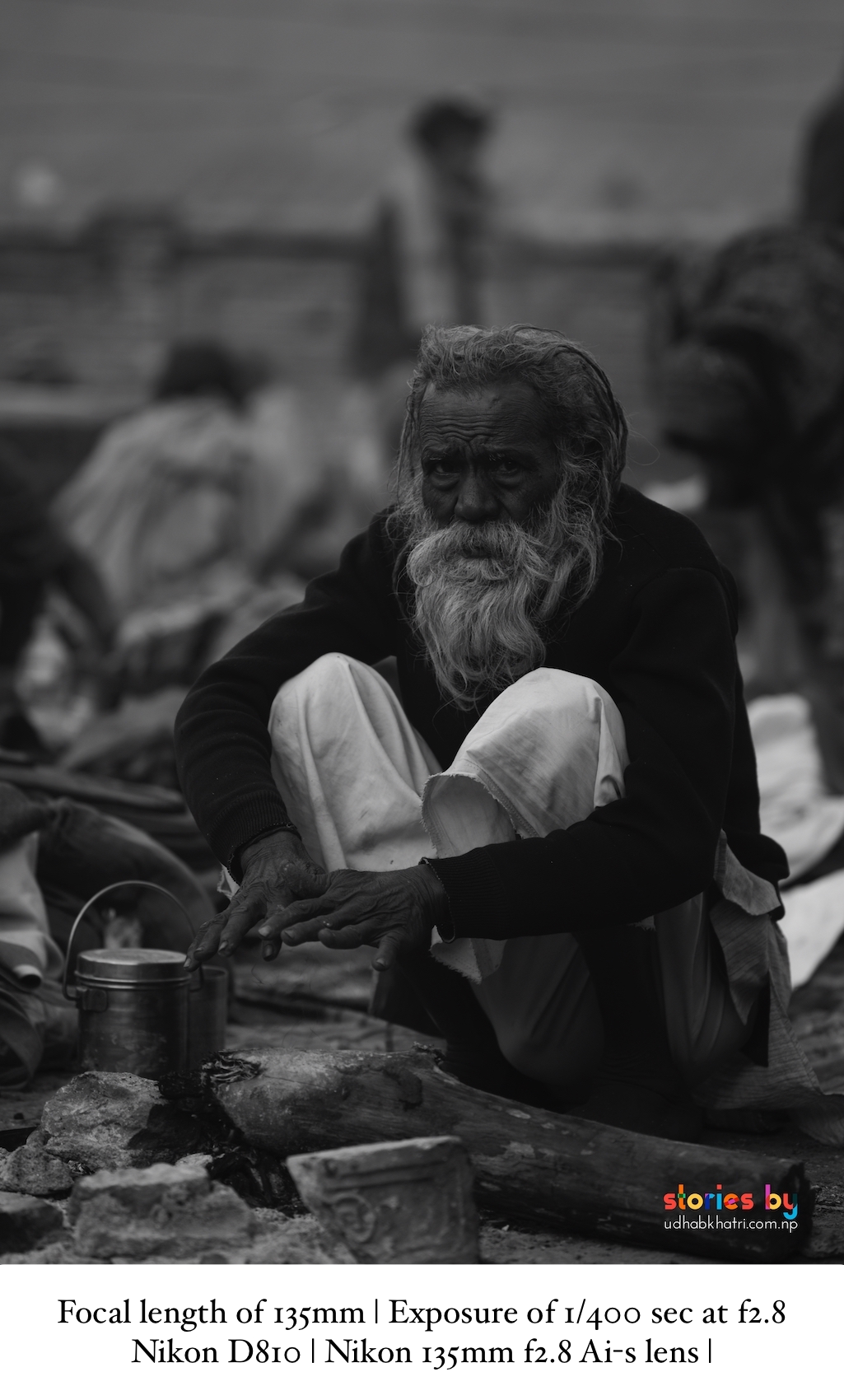
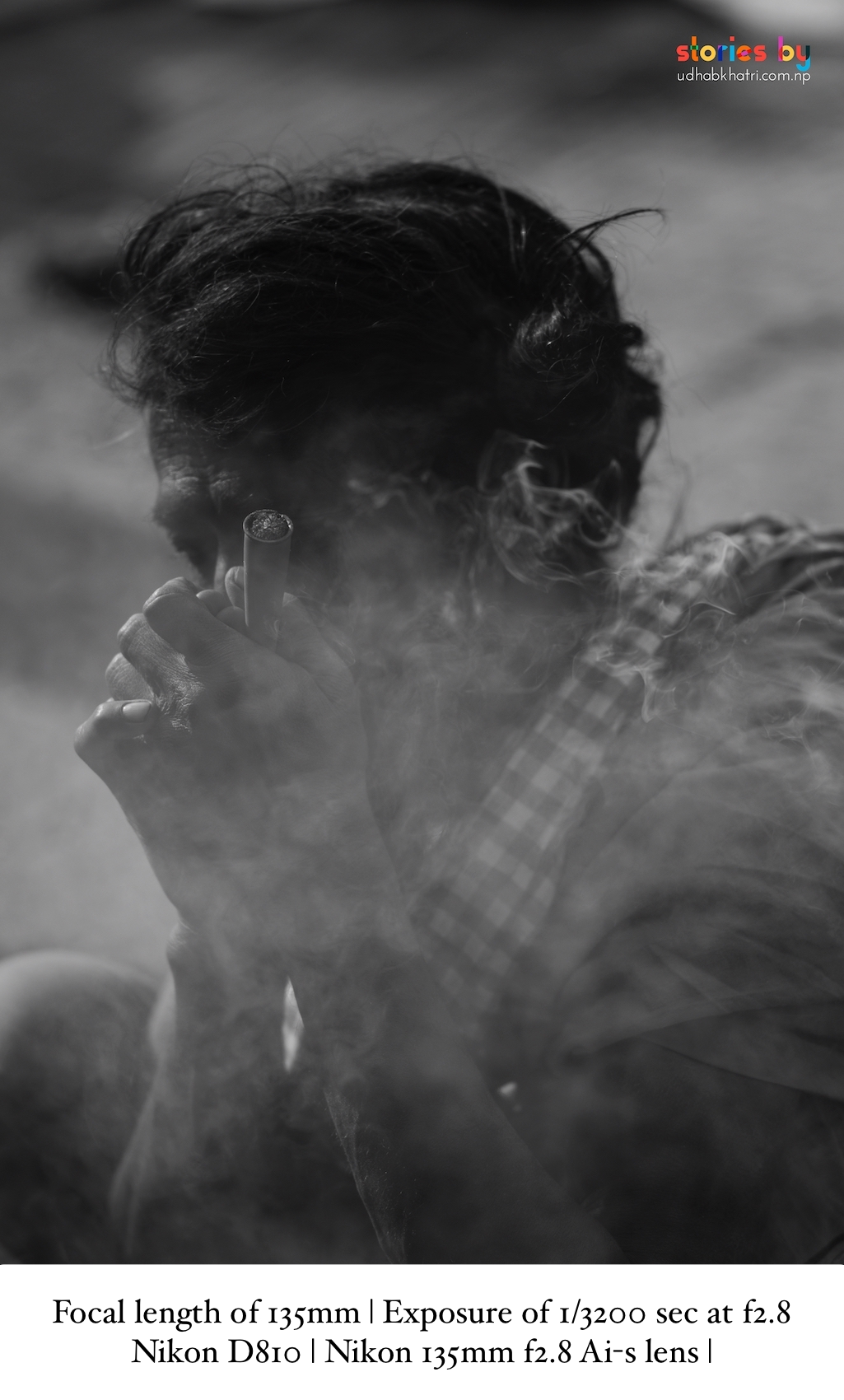
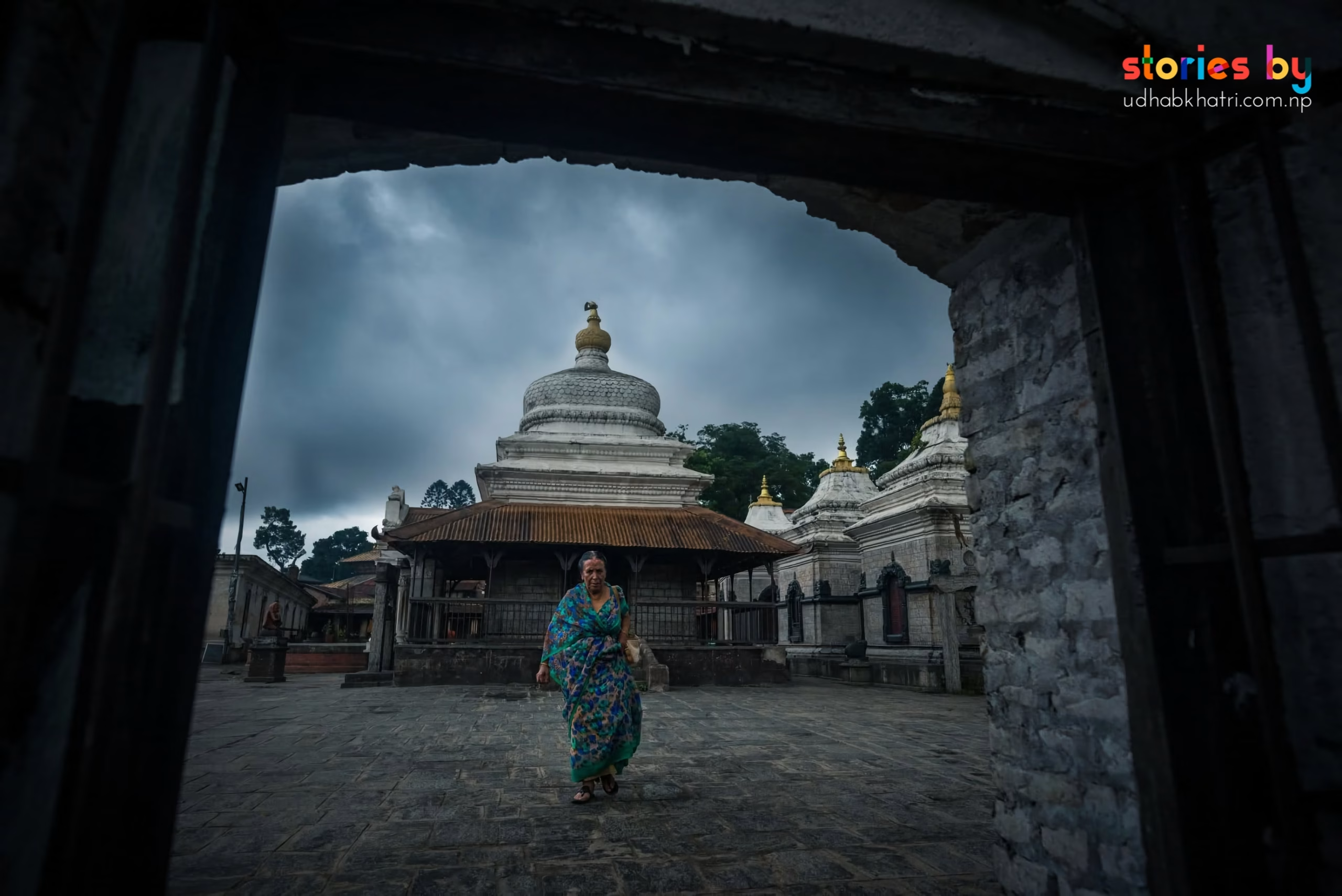
The temple platform at Ram Mandir is one of the few elevated positions on the eastern bank. Use it to frame the main Pashupatinath temple with the river in the foreground. A wide-angle lens can capture the temple, the river, and the smoke from the ghats in a single, deeply layered composition.
Entry Fees & Practicalities
SAARC nationals: NPR 1,000 · Nepali citizens: Free
(Gujeshwori, stairs, viewpoint, ghats, Ram Mandir)
Negotiate politely or use telephoto
The main entry ticket is checked at the official entrance on the eastern side. Keep your ticket with you throughout the day. Fees subject to change.
Maha Shivaratri at Pashupatinath
Maha Shivaratri — the Great Night of Shiva — is the single most important festival at Pashupatinath and one of the largest Hindu gatherings in South Asia. It commemorates the night of Shiva's cosmic dance and his marriage to Parvati. On this night, devotees stay awake, fast, and offer bel leaves and milk to the sacred lingam. The atmosphere is one of intense, raw spirituality, amplified by thousands of pilgrims from across Nepal and India.
For photographers, Shivaratri is a double-edged opportunity. The crowds are enormous and can be overwhelming, but the visual material is unlike anything you will see on a normal day. Sadhus arrive from every corner of the subcontinent — Naga sadhus covered only in ash, Aghoris with their skull cups, mendicants painted in vivid colours — and they are far more numerous, more exotic, and often more open to being photographed than during the rest of the year (though payment is still expected). The evening before the main night, large wooden bonfires are lit, and the sadhus gather around them smoking chillums (clay pipes) — a scene of immense visual drama, with faces illuminated by firelight and the smoke swirling into the darkness. The morning after the vigil, the ghats fill with pilgrims bathing in the Bagmati, creating a softer, more serene counterpoint.
The bonfire gatherings in the evening require high-ISO capability (ISO 3200–6400) and a fast lens (f/1.4–f/2.8). Expose for the firelit faces, not the flames, to avoid silhouettes. A 50mm or 85mm prime will serve you best. Arrive early to claim a spot with a clear view of the sadhus and the fire. The morning after, return to the ghats for bathing scenes with the soft, low-angled light of early day.
A Complete Walk — From Boudha to Pashupati
This route follows the natural geography of the site, starting from the Boudhanath side and ending at the main temple. Allow 3–4 hours for a thorough photographic exploration.