Why It Works #07 – Perspective, Frames, and the Geometry of Heritage
In the older quarters of Kathmandu, the architecture itself acts as a storyteller. As street photographers, we often focus so much on the person that we forget the “stage” they are walking across. In this frame, I wanted to show how to use a massive, textured wall to create a sense of time and place. By positioning yourself to catch a subject through a dark archway, you aren’t just taking a portrait; you are placing a human life within the grand, weathered scale of the city’s history. It’s a lesson in patience—waiting for the right figure to enter a frame you’ve already pre-visualized.
This is the seventh post in my “Why It Works” series, where I break down street photographs to explain why they connect.
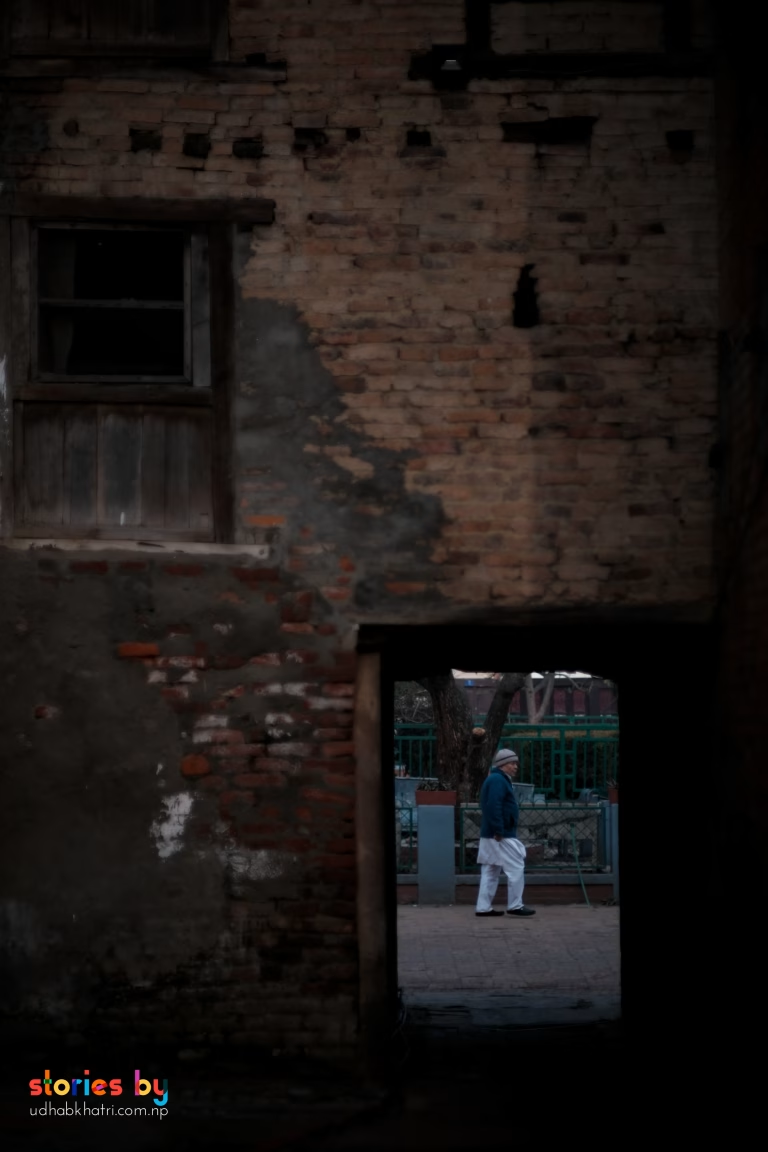
Image Breakdown
1️⃣ Composition
The vertical composition gives dominance to the brick wall, intentionally making the human figure small. This imbalance creates emotional weight and suggests the passage of time. The subject placed in the lower portion grounds the image and stabilizes the frame.
2️⃣ Framing
The doorway creates a powerful frame within the frame. It isolates the subject and eliminates distractions without cropping tightly. The dark interior acts like cinematic borders guiding the viewer’s eye.
3️⃣ Light
The interior remains shadowed while the exterior is softly lit. This natural exposure contrast separates the subject without dramatic lighting. The restraint keeps the mood quiet and contemplative.
4️⃣ Gesture
The man is captured mid-stride with his cane angled forward. That subtle movement adds rhythm and humanity. A static pose would have reduced the emotional pull.
5️⃣ Layers
There are clear depth planes: dark foreground, subject midground, urban background. These layers prevent flatness and add dimensionality. The environment feels lived-in rather than decorative.
6️⃣ Tension
Heavy, aging architecture contrasts with the fragile human figure. Still structure meets slow movement. That visual opposition creates subtle emotional tension.
7️⃣ Why It Works — Core Insight
This image works because the photographer composed first and waited second. The architecture becomes an active storytelling element, not just background. When structure and subject align, ordinary moments become meaningful.
Next time you see a beautiful old wall or an interesting doorway, don’t move on just because there’s no one there. Set your composition, check your light, and wait. Wait for five or ten minutes for the right person to walk into your “stage.” How does giving the background more space change the way you feel about the subject?
Let’s talk about the art of “fishing” in the comments below!
Follow the series here for more insights into street photography in Nepal.